The Invisible Operational Breakdown Most Founders Miss
At first glance, many growing ecommerce and omnichannel brands appear to be running smoothly. However, life without ERP system creates hidden operational inefficiencies that compound as the business scales. Orders are flowing in, inventory is moving, and revenue is increasing—but beneath that growth, a different reality exists.
This is what life without ERP system actually looks like inside a company.
Most businesses operate on a mix of disconnected tools:
- Shopify for ecommerce
- QuickBooks for accounting
- Spreadsheets for planning
- Inventory or warehouse tools
At first, this setup works. In fact, it feels efficient and flexible.
However, as the business grows, complexity increases. As a result, systems begin to fall out of sync. Because of this, teams spend more time fixing issues than scaling operations.
Why Life Without ERP System Breaks Down as You Scale
Growth introduces operational complexity. However, most systems are not designed to handle that complexity together.
For example, companies begin expanding across:
- Ecommerce and marketplaces
- Wholesale channels
- Multiple warehouses
- Larger product catalogs
Meanwhile, each system continues to operate independently.
Because of this, life without ERP system creates fragmentation:
- Data does not align across platforms
- Inventory numbers conflict
- Financials lag behind operations
In addition, teams are forced to create manual processes just to keep systems aligned.
Therefore, what once worked at a smaller scale becomes increasingly fragile.
A Real Example of Life Without ERP System in Action
Consider a growing apparel brand.
Initially, everything runs through Shopify. Inventory is simple, and accounting is manageable.
However, as the brand grows, new layers are added:
- Wholesale orders
- Multiple fulfillment locations
- Seasonal inventory planning
At this stage, problems begin to appear.
For instance:
- Shopify shows one inventory number
- Warehouse systems show another
- Spreadsheets attempt to reconcile differences
As a result, teams build manual workflows.
Meanwhile, errors continue to increase.
This is how life without ERP system quietly turns into operational chaos.
The Operational Impact of Life Without ERP System
When systems are disconnected, the impact spreads across the entire business.
Inventory Becomes Unreliable
Inventory is no longer a single source of truth. As a result, stock levels become inaccurate.
Because of this, businesses experience:
- Overselling
- Stockouts
- Excess inventory
Financial Data Falls Behind
Financial systems rely on delayed or incomplete data.
Therefore:
- Reporting takes longer
- Reconciliation becomes manual
- Profitability is harder to track
Meanwhile, finance teams spend more time fixing past data than analyzing future performance.
Fulfillment Operations Become Reactive
Orders must be pushed between systems. However, delays and inconsistencies create friction.
As a result:
- Warehouse teams lack real-time visibility
- Multi-location fulfillment becomes complex
- Returns are harder to manage
Decision-Making Slows Down
Leaders rely on fragmented reports. In contrast, fast-growing companies need real-time insights.
Because of this, decisions are often delayed or made with incomplete data.
In short, life without ERP system affects inventory, finance, fulfillment, and strategy simultaneously.
How Modern Brands Move Beyond Life Without ERP System
Instead of adding more tools, modern companies simplify their systems.
First, they establish a single source of truth.
Second, they connect inventory, finance, and operations.
Finally, they automate workflows across all channels.
For example, platforms like XoroONE help unify multi-channel operations, while XoroERP connects financials with real-time inventory.
In addition, warehouse execution becomes more efficient with XoroWMS.
As a result, businesses reduce manual work and improve accuracy.
Why Adding More Apps Doesn’t Fix Life Without ERP System
Many brands try solving operational problems by adding more tools.
However, this approach often increases complexity.
For example, tools available on the Shopify App Store can improve specific functions. However, they do not unify operations.
Because of this, businesses still rely on manual processes to connect systems.
Therefore, the core problem remains unresolved.
Building a Scalable Operational Foundation
At a certain stage, improving workflows is not enough.
Instead, companies must rethink how their operations are structured.
Because growth increases pressure on systems, disconnected tools become a liability.
In contrast, unified systems provide:
- Real-time visibility
- Accurate reporting
- Scalable processes
As a result, teams can focus on growth instead of fixing operational issues.
Rethinking Growth Beyond Life Without ERP System
Most companies believe they have isolated operational problems.
However, those problems are often symptoms of a deeper issue.
That issue is life without ERP system.
Because disconnected systems require manual coordination, complexity continues to grow over time.
Therefore, the question is no longer how to fix individual processes.
Instead, it becomes whether the business has the right operational foundation to scale.
If you’re experiencing the challenges of life without ERP system, it may be time to rethink your systems and processes.
Book a demo to see how unified operations can simplify your business and support long-term growth.
Recent Posts
-
 Inventory Close Benchmarks 2026: Reconciliations, Adjustments, and Processing Time
 -
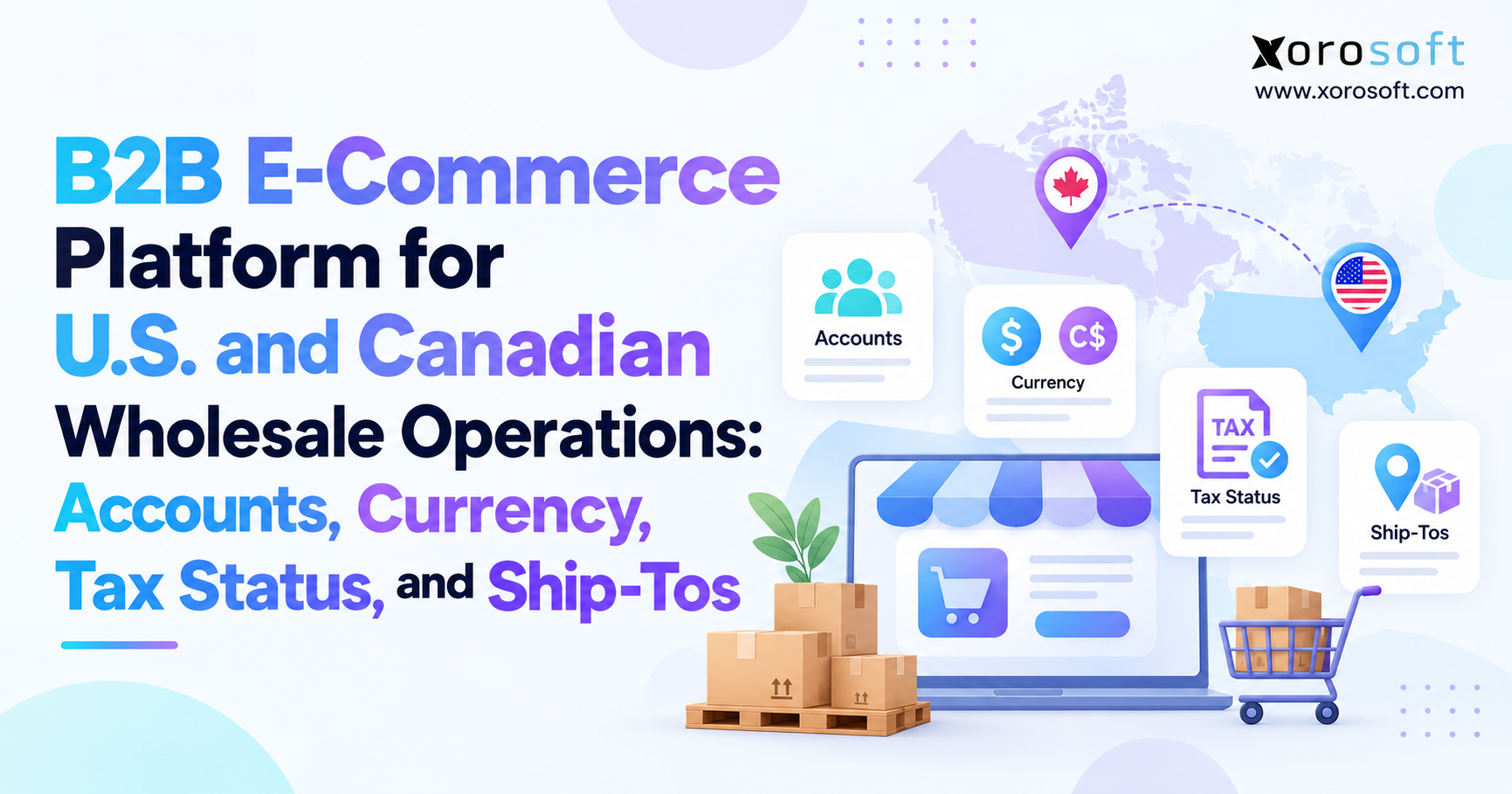
 B2B E-Commerce Platform for U.S. and Canadian Wholesale Operations: Accounts, Currency, Tax Status, and Ship-Tos
 -
 One Inventory Pool for Shopify and Amazon: Rules for Availability, Reservations, and Reconciliation
 -
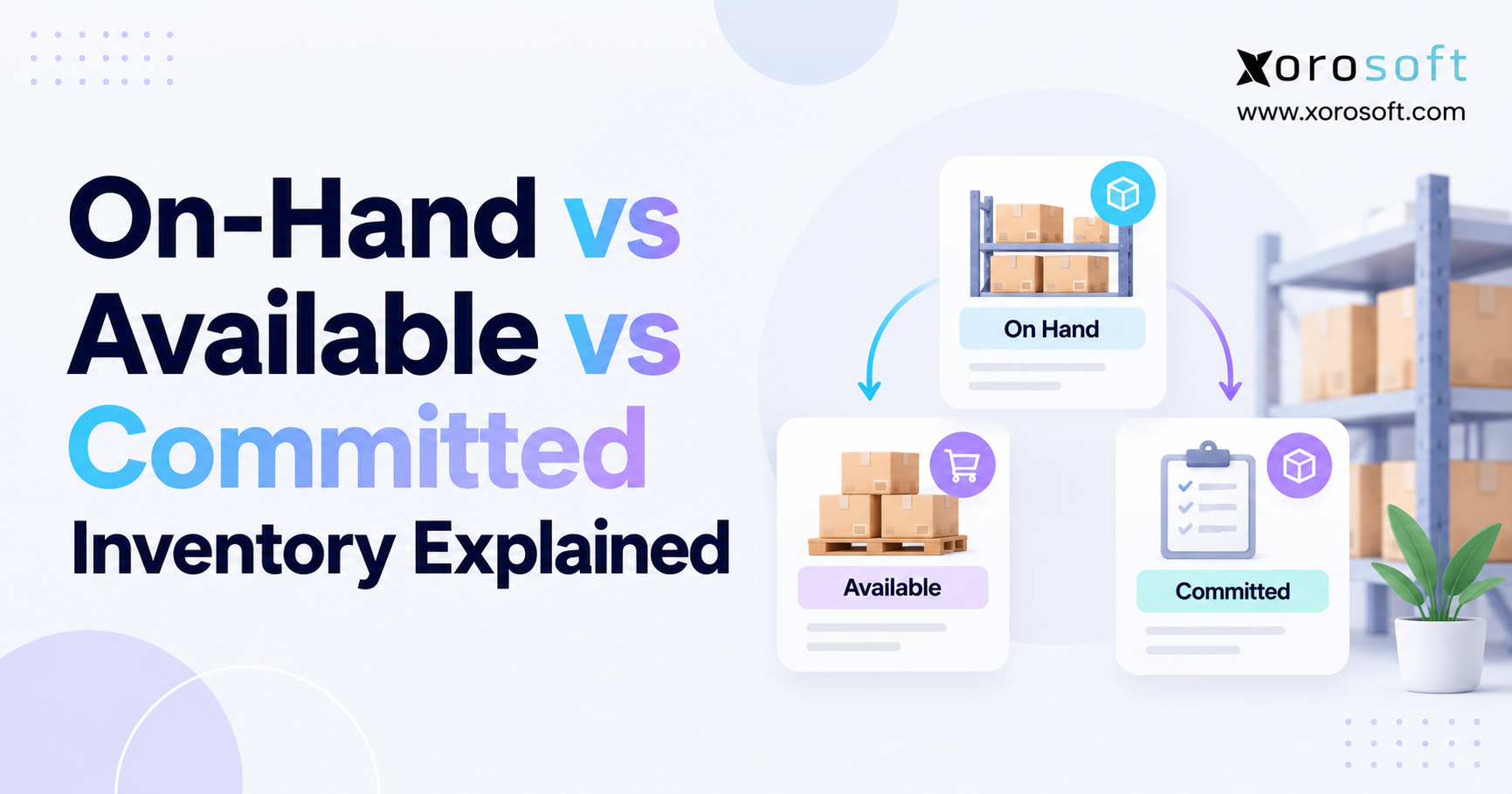
 On-Hand vs Available vs Committed Inventory Explained
 -
 Dock Scheduling: How a Distributor Cut Dock Congestion With Scheduled Receiving and Cross-Docking