How Backend Complexity in Modern Commerce Starts
Growing ecommerce brands often expect complexity to come from marketing, customer acquisition, or competition.
However, many companies eventually discover that the real challenge begins inside their operations.
As brands expand into wholesale, retail, marketplaces, and multiple ecommerce channels, ecommerce operational complexity increases rapidly. Processes that once worked smoothly inside Shopify, QuickBooks, spreadsheets, and disconnected inventory tools begin slowing the business down.
At first, the issues appear small:
- delayed inventory updates
- manual reconciliation
- warehouse confusion
- reporting inconsistencies
Over time, those inefficiencies turn into operational bottlenecks that affect fulfillment, finance, purchasing, and customer experience.
Instead of supporting growth, disconnected systems begin creating operational friction.
Why Fast-Growing Brands Outgrow Disconnected Systems
Most ecommerce companies do not start with enterprise-level infrastructure.
Initially, brands usually build operations using a combination of:
- Shopify
- QuickBooks
- spreadsheets
- shipping software
- separate inventory systems
- disconnected warehouse tools
At first, this setup feels efficient and cost-effective.
For smaller businesses, teams can often manage:
- inventory tracking manually
- financial reconciliation weekly
- purchasing through spreadsheets
- fulfillment from a single warehouse
However, operational complexity increases the moment new sales channels are introduced.
For example, businesses may suddenly begin selling through:
- Amazon
- wholesale accounts
- retail locations
- B2B portals
- third-party logistics providers
At the same time:
- SKU counts increase
- inventory movement accelerates
- returns become harder to track
- purchasing cycles become more complicated
- fulfillment workflows diversify
As a result, disconnected systems begin struggling because every platform stores information differently.
Meanwhile, inventory may update in one system while another platform still displays outdated stock levels.
Additionally, warehouse teams may fulfill orders using inaccurate inventory data.
At the same time, finance teams often spend hours reconciling transactions across multiple systems instead of analyzing profitability.
Consequently, the gaps between systems become operational risks.
The Operational Challenges Behind Ecommerce Growth
Consider a growing apparel brand that originally launched through Shopify.
Initially, the company operated with:
- one warehouse
- a manageable SKU count
- direct-to-consumer sales
- simple accounting workflows
For several years, operations remained stable.
However, growth accelerated quickly.
As a result, the company expanded into:
- wholesale distribution
- Amazon
- pop-up retail locations
- multiple fulfillment centers
However, revenue increased significantly.
However, operational visibility began declining.
Meanwhile, inventory counts no longer matched across systems.
Additionally, wholesale orders consumed inventory that ecommerce channels still believed was available.
At the same time, warehouse teams relied heavily on spreadsheets to manage stock transfers between locations.
Furthermore, customer service teams struggled to explain shipping delays because fulfillment visibility was fragmented.
Consequently, finance teams spent days reconciling sales, refunds, purchasing activity, and inventory adjustments.
Eventually, leadership meetings became increasingly focused on one question:
Which numbers are actually correct?
Ultimately, this is one of the clearest signs of ecommerce operational complexity.
Ultimately, growth exposes operational fragmentation that smaller companies often do not notice early on.
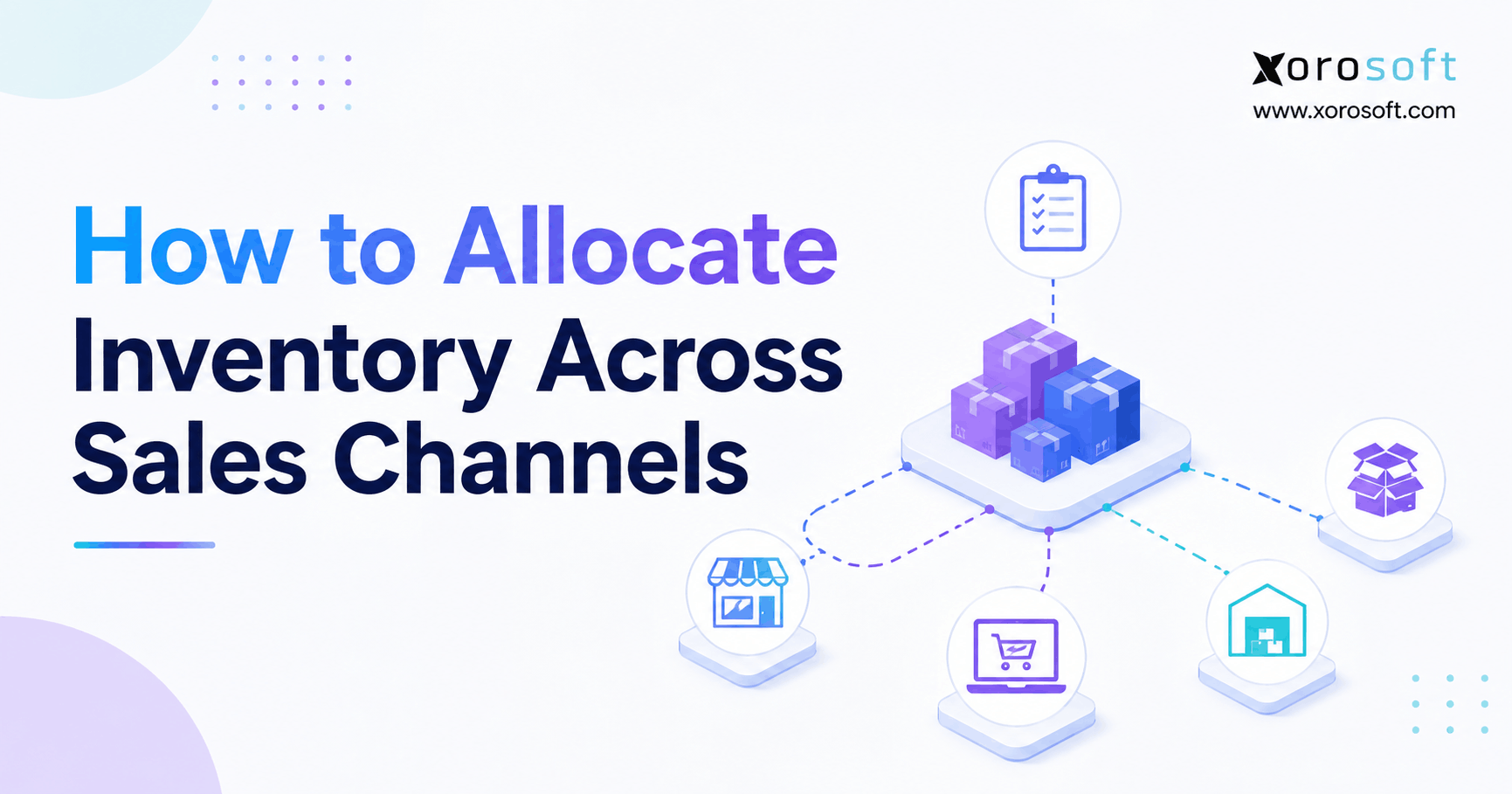
Why Inventory Visibility Breaks Down Across Channels
Inventory management is usually the first operational area affected by disconnected systems.
As businesses scale, inventory moves through:
- multiple warehouses
- ecommerce stores
- wholesale channels
- marketplaces
- retail operations
Without centralized visibility, inventory accuracy declines quickly.
Consequently, businesses often experience:
- overselling
- stockouts
- duplicate inventory allocation
- delayed replenishment
- inaccurate forecasting
As a result, many companies attempt to compensate by carrying more inventory.
However, excess stock creates additional problems:
- higher carrying costs
- trapped cash flow
- slower inventory turnover
- increased warehouse inefficiency
As a result, operational costs rise while inventory visibility decreases.
Therefore, modern ecommerce operations require synchronized inventory management across every channel and location.
Otherwise, ecommerce operational complexity becomes difficult to control efficiently.
Why Fulfillment Workflows Become Harder to Scale
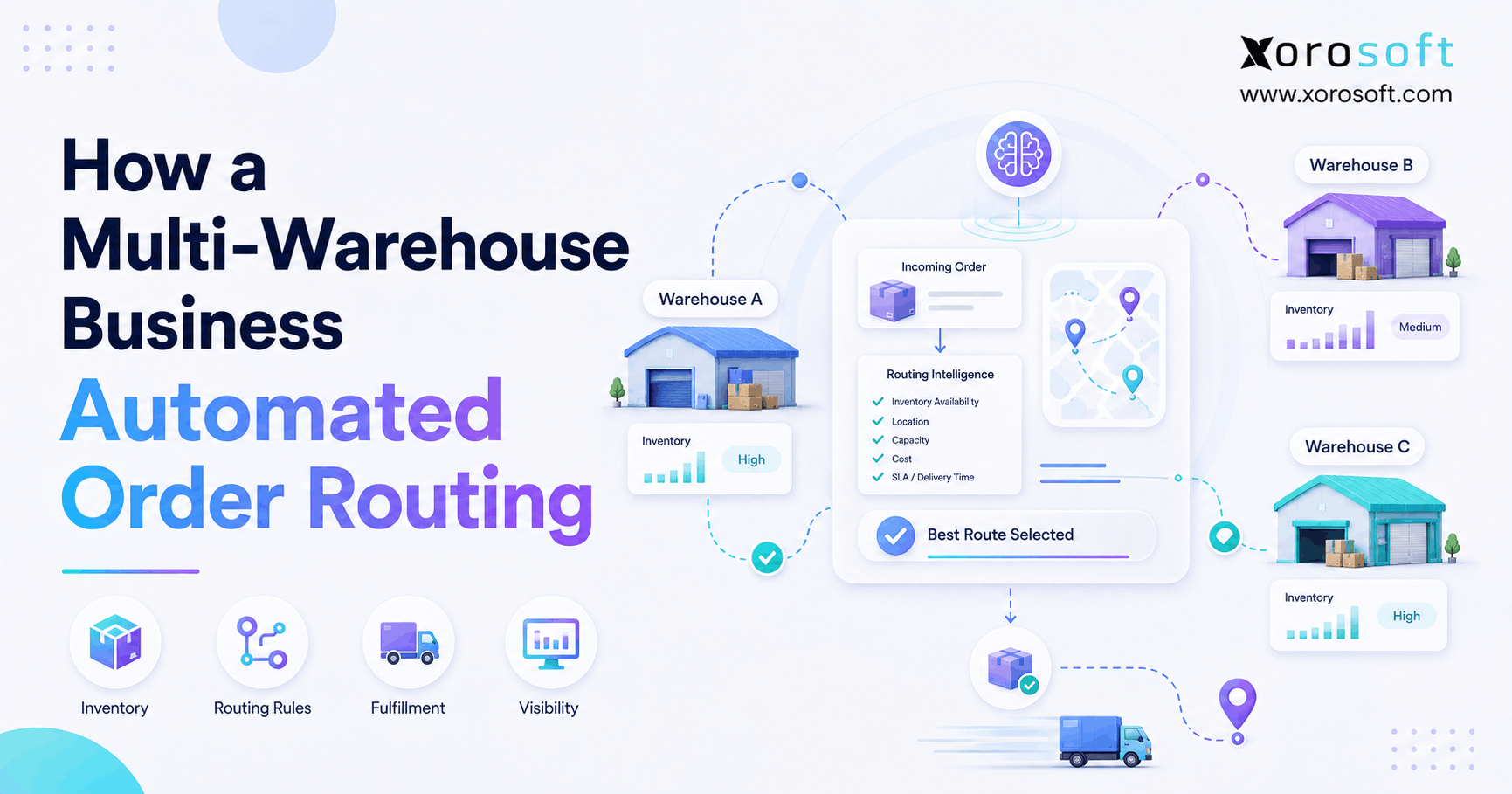
Meanwhile, fulfillment complexity increases rapidly as order volume grows.
Different channels often require:
- unique shipping workflows
- custom routing rules
- split shipments
- marketplace compliance
- wholesale fulfillment processes
- multi-location inventory allocation
Because of this, disconnected systems force warehouse teams to rely heavily on manual coordination.
Consequently, this creates several operational issues:
- picking errors
- delayed shipments
- labor inefficiencies
- inconsistent customer experiences
- inaccurate order tracking
Furthermore, warehouse teams often spend more time correcting issues than improving efficiency.
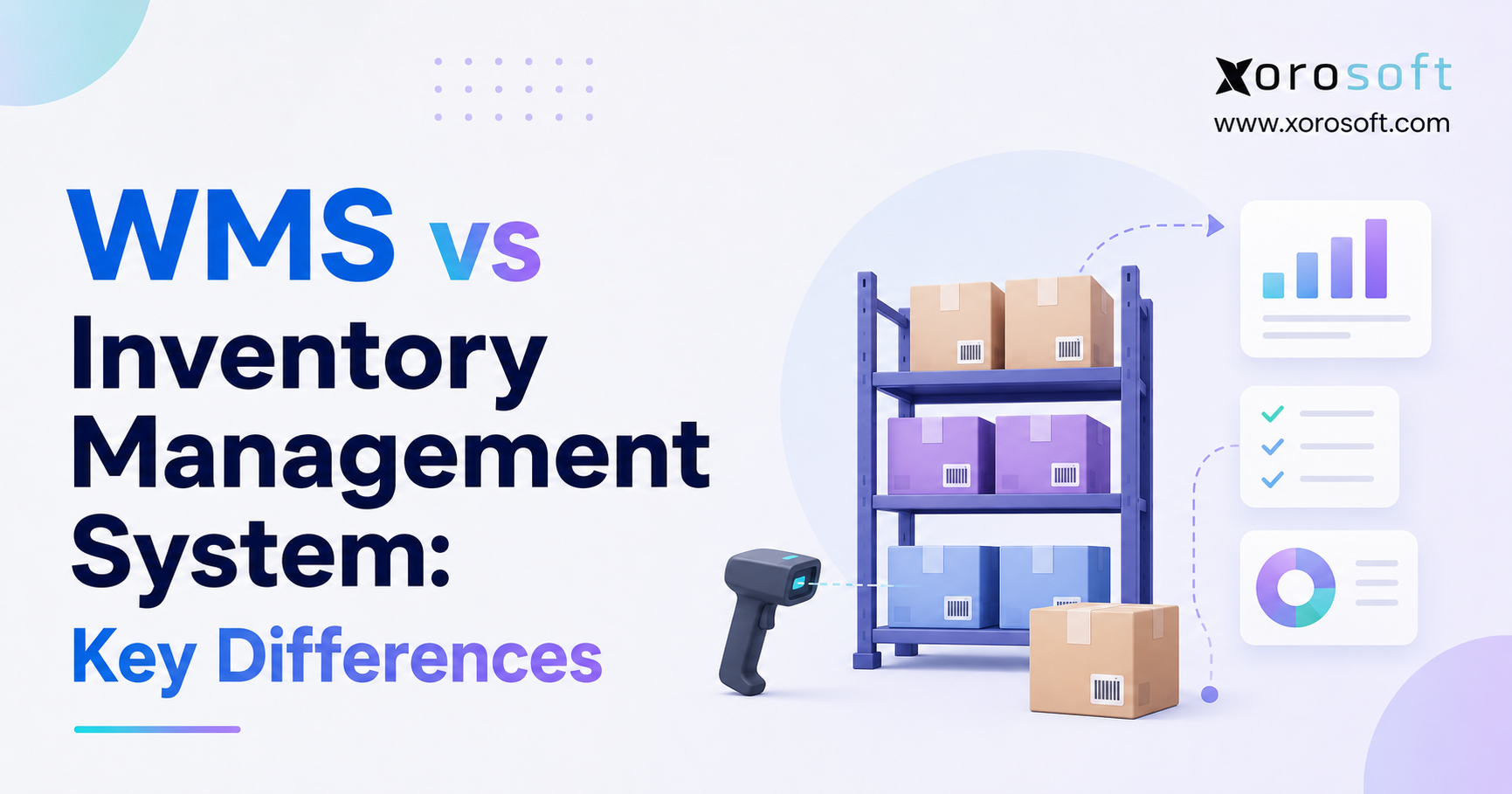
Therefore, many growing brands invest in warehouse management systems that integrate directly with broader operational workflows.
Solutions like XoroWMS help businesses improve warehouse visibility, inventory movement tracking, and fulfillment coordination across locations.
Ultimately, when warehouse operations remain disconnected from inventory and finance systems, ecommerce operational complexity becomes significantly harder to scale.
Why Financial Reporting Slows in Multi-Channel Operations
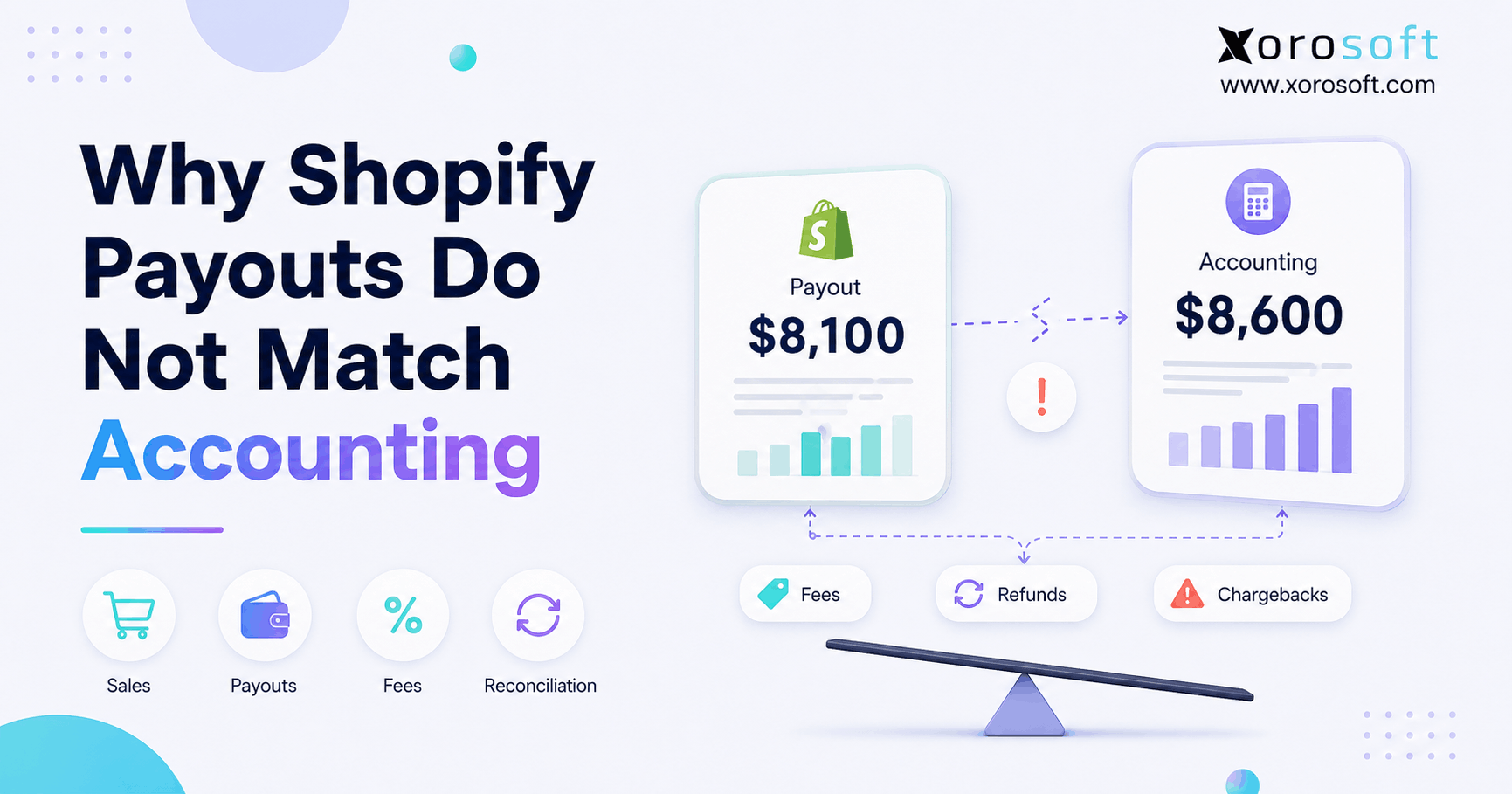
Additionally, one of the most overlooked consequences of operational fragmentation is delayed financial visibility.
When inventory, fulfillment, purchasing, and sales data exist across disconnected platforms, reporting becomes heavily manual.
Consequently, finance teams often spend days:
- reconciling transactions
- validating inventory numbers
- reviewing fulfillment costs
- matching purchasing records
- correcting reporting discrepancies
As ecommerce operational complexity increases, leadership loses real-time visibility into:
- profitability
- channel performance
- inventory carrying costs
- purchasing efficiency
- operational margins
Therefore, decision-making slows down significantly.
Instead of using data strategically, teams spend their time validating whether the data is accurate.
Additionally, modern operators increasingly recognize that financial reporting depends heavily on operational integration.
Because of this, many growing brands move toward connected ERP infrastructure that synchronizes operational and financial workflows in real time.
How Modern Brands Simplify Operational Complexity
Successful ecommerce operators do not solve complexity by adding more disconnected software.
Instead, they simplify operations through centralized systems.
Modern brands focus on creating:
- unified inventory visibility
- connected fulfillment workflows
- synchronized purchasing operations
- integrated financial reporting
- centralized order management
As a result, businesses reduce manual coordination across departments and improve operational accuracy.
Instead of managing separate workflows for:
- ecommerce
- wholesale
- warehouse operations
- accounting
- purchasing
teams operate from a centralized operational environment.
Consequently, this creates faster workflows, better reporting accuracy, and more scalable operations.
Platforms like XoroONE help unify operational workflows across inventory, fulfillment, purchasing, and multi-channel sales operations.
Ultimately, the goal is not simply automation.
Instead, the goal is operational clarity.
Why Unified ERP Infrastructure Matters for Scaling Brands
As ecommerce operational complexity grows, disconnected systems become increasingly difficult to maintain.
Consequently, teams begin depending on:
- spreadsheets
- manual reconciliation
- duplicate data entry
- disconnected reporting
- reactive inventory planning
Eventually, operational growth becomes unsustainable.
Therefore, ERP infrastructure becomes critical.
ERP platforms centralize operations into a shared operational backbone that connects:
- inventory management
- purchasing
- warehouse operations
- accounting
- fulfillment
- multi-channel sales activity
Instead of relying on separate tools that operate independently, companies gain synchronized operational visibility.
Solutions like XoroERP are designed specifically for inventory-driven ecommerce and omnichannel businesses managing operational complexity across multiple channels.
As a result, operators can:
- improve inventory accuracy
- reduce reconciliation work
- streamline warehouse workflows
- improve purchasing visibility
- centralize operational reporting
Additionally, integrated ERP infrastructure improves scalability.
As businesses expand into:
- new channels
- additional warehouses
- wholesale operations
- international fulfillment
their operational systems remain aligned instead of fragmented.
For many brands, ERP implementation becomes less about software replacement and more about operational stabilization.