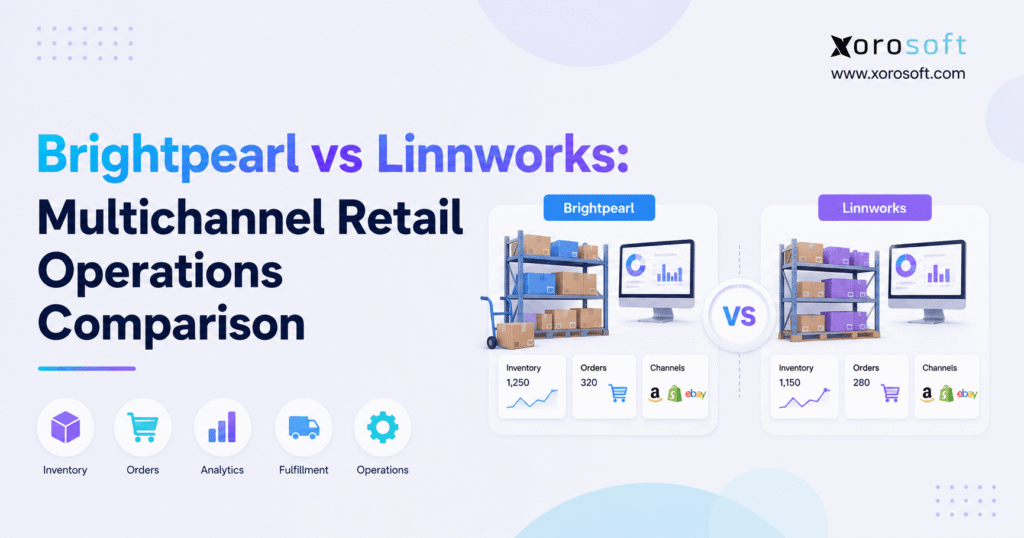
When comparing Brightpearl vs Linnworks, it’s important to understand the strengths and differences of each platform.
1. Brightpearl vs Linnworks: Why Multichannel Growth Creates an Operations Problem
A retailer rarely replaces its operations software because one feature stops working. The pressure usually builds across several parts of the business at once.
A Shopify store adds Amazon. Wholesale sales increase. A second warehouse opens. A 3PL handles part of fulfillment. Purchasing teams start planning stock in spreadsheets, while finance spends more time checking inventory values, fees, refunds, and sales data from several channels.
Each workaround may look manageable on its own. Together, those workarounds create a business that spends too much time moving information between systems.
That is the real reason many companies research Brightpearl vs Linnworks.
Both platforms help retailers manage multichannel operations. Each can bring inventory and orders into one place, connect ecommerce channels, support warehouse work, and automate repeat tasks. However, they approach the problem from different angles.
Brightpearl takes a broader retail operations approach. It brings inventory, orders, purchasing, warehouse work, reporting, automation, and accounting into a connected retail system.
Linnworks focuses more strongly on connected commerce. It helps retailers control sales channels, inventory, listings, orders, warehouses, shipping, and fulfillment rules.
The key question is therefore not, “Which platform has more features?”
A better question is, “Which parts of our business need to work from the same system?”
That question creates a much more useful Brightpearl vs Linnworks comparison.
2. Brightpearl vs Linnworks: The Core Platform Difference
The easiest way to understand Brightpearl vs Linnworks is to look at what each platform tries to control.
Brightpearl focuses on a wider part of the retail back office. A business can connect sales, inventory, purchasing, fulfillment, reporting, and accounting more closely. That approach can help when growth affects several teams at once.
Linnworks puts commerce operations at the center. It helps retailers manage orders, stock, listings, marketplaces, warehouses, carriers, and fulfillment across many selling channels.
Both models have value. The best fit depends on the source of the company’s complexity.
| Area | Brightpearl | Linnworks |
|---|---|---|
| Multichannel inventory | Strong | Strong |
| Order management | Strong | Strong |
| Marketplace operations | Strong | Major focus |
| Listing management | Supported | Major focus |
| Warehouse workflows | Integrated | Integrated |
| Shipping | Strong | Major focus |
| Purchasing | Broad retail workflows | Purchase order and stock workflows |
| Accounting | Built-in option | More integration-led |
| Forecasting | Planning capabilities | Planning capabilities |
| Automation | Retail workflow automation | Rules-based commerce automation |
| Best fit | Wider retail back office | Channel and commerce control |
2.1 Brightpearl vs Linnworks Should Be Judged by Business Fit
A marketplace-heavy seller may prefer Linnworks because the team spends most of its day managing channel orders, listings, warehouses, carriers, and fulfillment rules.
A retailer that wants purchasing, finance, inventory, and ecommerce to work more closely together may give Brightpearl more weight.
Neither answer makes one platform universally better.
The software should match the operating model.
3. Brightpearl Retail Operations vs Linnworks Commerce Operations
The Brightpearl Linnworks comparison becomes clearer when you look at the daily work each platform helps manage.
Brightpearl covers a broad set of retail tasks. Teams can manage inventory, sales orders, purchasing, fulfillment, warehouse activity, reporting, and finance from a connected setup.
This wider reach can help retailers that have moved beyond a simple ecommerce stack.
3.1 Brightpearl May Fit Retailers With Wider Back-Office Needs
Consider a growing Shopify brand that now has several channels and two warehouses.
The company may no longer struggle with order imports. Instead, teams may struggle with supplier buying, stock planning, returns, wholesale orders, margin checks, and month-end finance work.
In that case, Brightpearl’s broader retail model may fit better because more of those tasks can share the same data.
Linnworks may fit a different type of operation.
A retailer that sells through Shopify, Amazon, eBay, Walmart, and other marketplaces may care most about stock sync, order routing, listings, shipping, and fulfillment.
When channel complexity creates the biggest workload, Linnworks’ commerce-first approach can make more sense.
4. Brightpearl vs Linnworks Inventory Management
Inventory often sits at the center of a Brightpearl vs Linnworks decision.
Both platforms help retailers track stock across multiple sales channels and locations. However, a useful comparison must go beyond the question, “Can it show inventory in real time?”
4.1 Brightpearl vs Linnworks Multi-Warehouse Inventory
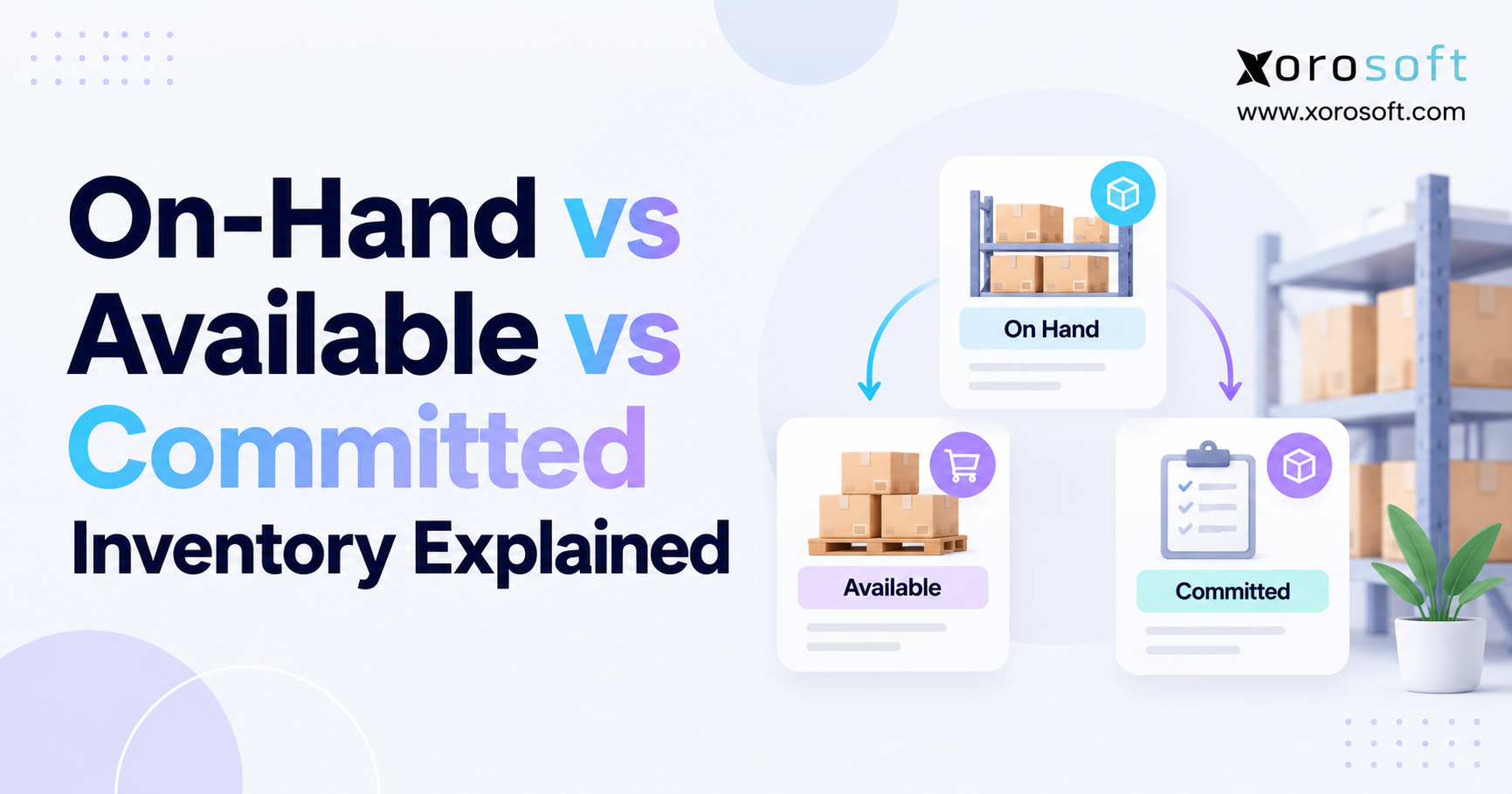
A retailer may have 100 units on hand but only 70 units available to sell.
Some stock may already belong to wholesale orders. A transfer may move units between warehouses. Returned goods may need inspection. Amazon may hold some inventory in FBA. A 3PL may hold another quantity.
The software needs to understand those different states.
A good inventory setup should tell teams what they can sell, what they have reserved, what they have in transit, and where each unit sits.
Retailers should test transfers, bundles, returns, backorders, damaged stock, reservations, and third-party inventory during product demos.
4.2 Linnworks vs Brightpearl Inventory Accuracy Depends on Process
Software alone cannot create accurate inventory.
Warehouse teams still need to receive goods correctly, scan transfers, count stock, and record adjustments with clear reasons.
The best system helps staff follow the right process and makes errors easier to find.
That is why inventory management connects so closely with warehouse work, purchasing, and order handling.
5. Linnworks vs Brightpearl Order Management and Automation
Order management forms another major part of the Linnworks vs Brightpearl decision.
Both platforms can centralize orders and automate repeat steps. Brightpearl connects order work with its wider retail back office. Linnworks places strong focus on routing, fulfillment rules, shipping, and channel order control.
5.1 Brightpearl vs Linnworks Order Automation Should Handle Exceptions
A perfect order tells you very little about a software platform.
A useful demo should show what happens when the order becomes difficult.
For example, an order may contain three items. One sits in Warehouse A. Another sits in Warehouse B. The third item has no stock but the supplier can ship it directly.
The platform must decide how to route the order, whether to split it, how to update the customer, and how the inventory records change.
Those are the workflows that matter.
A tool that automates simple orders but needs constant staff help for exceptions may not save as much time as expected.
5.2 Brightpearl and Linnworks Should Reduce Manual Decisions
Many companies say they want automation, but the real goal is fewer manual decisions.
If staff still choose the warehouse, carrier, shipping service, or fulfillment method for every order, the business has not removed much work.
Strong automation should handle normal orders through clear rules and send unusual cases to a person.
That makes the operation easier to scale.
6. Brightpearl vs Linnworks Warehouse Management
Warehouse requirements can change the outcome of a Brightpearl vs Linnworks review.
Both platforms support warehouse processes, but businesses should compare the exact level of control they need.
6.1 Brightpearl vs Linnworks Warehouse Workflows
A smaller ecommerce warehouse may only need receiving, barcode scanning, picking, packing, and shipping.
A larger distributor may need putaway rules, bin control, replenishment, wave or batch picking, cycle counts, quality checks, transfer control, and stronger user tracking.
Those needs create a different software requirement.
If warehouse work has become one of the biggest business problems, compare the built-in tools with a dedicated warehouse management system rather than assuming every warehouse module offers the same depth.
The goal should not be to choose the most advanced warehouse system. The goal should be to match the software to the real warehouse.
6.2 Multi-Warehouse Retail Creates New Stock Decisions
A second warehouse adds more than another inventory location.
Teams must decide where to place new stock, which warehouse should ship each order, when to transfer inventory, and how much safety stock each site needs.
The right system should make those decisions easier with clear stock data and practical rules.
7. Brightpearl vs Linnworks Accounting and Purchasing
Accounting creates one of the clearest differences in Brightpearl vs Linnworks.
Brightpearl can bring retail accounting closer to inventory, sales, purchasing, and operations.
Linnworks focuses more strongly on commerce operations and often works alongside a separate finance tool.
Neither model is automatically better.
7.1 Brightpearl vs Linnworks Accounting Depends on Your System Setup
A separate accounting system can work very well.
Many retailers prefer specialist tools for finance and commerce. Problems start when teams spend too much time checking data between them.
Returns may update in one system before another. Marketplace fees may not line up with orders. Inventory value may need manual changes. Purchase receipts may affect stock before finance sees the update.
These gaps create extra month-end work.
Businesses should ask where the general ledger lives, where inventory value comes from, how returns reach finance, and how cost of goods sold updates.
If the company wants finance and operations to share one wider system, it should also compare a cloud ERP for retail operations with commerce-focused software.
7.2 Brightpearl and Linnworks Purchasing Needs Grow With Inventory
Purchasing often becomes a hidden growth problem.
Buyers must consider supplier lead times, minimum order quantities, stock already on order, seasonal demand, warehouse space, and cash flow.
Spreadsheets can work at low volume. They become harder to trust when the number of SKUs and suppliers grows.
A strong platform should connect stock data, demand, purchase orders, and receiving without repeated manual work.
8. Brightpearl vs Linnworks for Shopify, Amazon, and Marketplaces
Sales-channel connections play a major role in Brightpearl vs Linnworks.
A platform must do more than import orders.
It needs to move the right data between the channel and the operations system.
8.1 Brightpearl vs Linnworks for Shopify
A useful Shopify connection may need to handle inventory, orders, payments, prices, shipments, refunds, returns, tracking, and multiple locations.
Businesses with more than one Shopify store should also check whether the system can manage those stores without duplicate work.
For retailers that also want to compare a broader ERP option, Xorosoft has a dedicated Shopify ERP app that can form part of the same integration review.
The main question should not be, “Does it integrate with Shopify?”
Ask, “Does the integration support every process our team uses?”
8.2 Linnworks vs Brightpearl for Amazon and Marketplace Sales
Amazon creates extra work through FBA, marketplace fees, returns, channel-specific stock, settlements, and fulfillment rules.
A retailer should test how the platform handles FBA inventory, marketplace returns, stock shared between channels, and orders that use external fulfillment.
Marketplace-heavy businesses should also test listing updates, cancellations, stock changes, shipping services, and order exceptions.
The depth of these workflows matters more than the number of marketplace logos on an integration page.
9. Brightpearl vs Linnworks Forecasting and Reporting
A good Brightpearl vs Linnworks comparison should also cover what happens after the sale.
Retailers need to know which products are slowing down, which warehouses may run short, which suppliers create delays, and what stock they need to buy next.
Both platforms offer reporting and planning capabilities, but businesses should focus on how easily teams can act on those insights.
9.1 Brightpearl vs Linnworks Forecasting Should Drive Purchasing
A forecast that warns about a future stockout can help.
A forecast that also helps the buyer create the right purchase order creates more value.
Many retailers use planning tools but still move recommendations into spreadsheets before ordering.
That extra step creates delay and risk.
The better process connects demand planning, buying, receiving, inventory, and reporting with as little re-entry as possible.
9.2 Retail Reporting Needs One Clear Source of Truth
Different teams often report different numbers.
Operations may use one inventory value. Finance may use another. Ecommerce may show different revenue because returns or fees update at different times.
The company needs clear rules for where important numbers come from.
Without that control, more dashboards can create more debate instead of better decisions.
10. Brightpearl vs Linnworks Pricing and Total Cost
A Brightpearl vs Linnworks pricing review should cover more than software fees.
The total cost can include implementation, migration, integrations, add-ons, support, warehouse tools, planning tools, accounting software, EDI, and internal admin time.
10.1 Brightpearl vs Linnworks Total Cost Includes Manual Work
Internal labor belongs in the cost model.
If finance spends several days each month checking data between systems, the company pays for that work.
If one operations employee spends much of the week fixing order or inventory exceptions, that work also has a cost.
A platform with a lower subscription price may cost more overall if it needs many extra tools or manual checks.
The business should therefore compare the complete system setup rather than one quote line.
11. Brightpearl vs Linnworks for Ecommerce, Wholesale, and Manufacturing
Business model matters when comparing Brightpearl vs Linnworks.
An ecommerce brand, wholesale distributor, and light manufacturer can all sell physical goods, yet their daily processes differ.
11.1 Brightpearl vs Linnworks for Ecommerce Brands
Linnworks may stand out when the business manages many marketplaces, listings, shipping rules, warehouses, and order routes.
Brightpearl may gain more value when ecommerce growth also creates pressure in accounting, buying, planning, and wider retail work.
The right choice depends on where complexity sits.
11.2 Brightpearl vs Linnworks for Wholesale Businesses
Wholesale adds customer pricing, payment terms, large orders, allocation rules, EDI, sales reps, purchasing, and warehouse work.
Those needs may push the software review beyond a standard ecommerce platform.
Businesses in apparel, furniture, sporting goods, food, consumer products, distribution, or manufacturing should compare software with their real industry processes. Xorosoft’s industry ERP use cases provide examples of how those needs change by business type.
11.3 Brightpearl vs Linnworks for Light Manufacturing
Some retailers also assemble or make products.
That introduces bills of materials, work orders, material planning, and production costs.
Once those needs become important, the software decision may move from retail operations toward ERP.
12. When Brightpearl or Linnworks May Not Be Enough
A Brightpearl vs Linnworks review can sometimes reveal a different problem.
The company may no longer need only better channel control.
Finance may spend too much time checking stock values. Purchasing may rely on spreadsheets. Warehouse teams may need deeper control. Wholesale customers may require EDI. Manufacturing may add work orders. Management may combine reports from several tools every week.
When those problems appear together, the business may need to review its full system setup.
12.1 Brightpearl and Linnworks Are Not the Only Paths
A commerce-focused platform can work well when sales channels and fulfillment create most of the complexity.
A wider ERP can make more sense when finance, purchasing, inventory, warehouses, manufacturing, and reporting all need the same data.
The business should not choose ERP simply because it sounds more complete.
It should choose ERP when a wider shared system removes enough manual work and risk to justify the change.
13. Brightpearl vs Linnworks vs Cloud ERP
The most useful Brightpearl vs Linnworks vs ERP question is not about features.
It is about where the business wants one source of truth.
A commerce system may centralize channels, inventory, listings, orders, and shipping while leaving finance and other functions in separate tools.
An ERP takes a wider approach and connects more business functions inside one system.
13.1 When Brightpearl vs Linnworks Becomes a Xorosoft ERP Discussion
Xorosoft is a cloud ERP built for inventory-driven businesses. Its XoroONE platform combines inventory, purchasing, accounting, warehouse management, manufacturing, forecasting, reporting, ecommerce, and EDI.
That setup can help when the main problem is no longer just channel sync.
For example, a retailer may sell through Shopify and Amazon while also handling wholesale EDI, several warehouses, supplier buying, financial reporting, and light manufacturing.
A wider ERP may reduce the number of handoffs between those processes.
However, a retailer that mainly needs stronger marketplace control may not need that level of system scope.
14. Brightpearl and Linnworks Alternatives
Companies researching Brightpearl and Linnworks alternatives may also compare NetSuite, Acumatica, Cin7, Microsoft Dynamics 365 Business Central, Fishbowl, and other ERP or inventory platforms.
The right shortlist depends on scope.
NetSuite and Business Central take a broader ERP approach. Acumatica can fit distribution, finance, commerce, and manufacturing needs. Cin7 often appears in inventory-focused product businesses. Fishbowl may suit companies that need stronger inventory or manufacturing support around an accounting-led setup.
Businesses comparing broader ERP choices can also review the Xorosoft vs NetSuite comparison as part of that research.
The key is to decide what type of system the company needs before comparing brand names.
15. Brightpearl vs Linnworks Decision Framework
A strong Brightpearl vs Linnworks decision starts with process mapping rather than a vendor demo.
15.1 Brightpearl vs Linnworks Sales Channel Review
List every Shopify store, Amazon account, marketplace, POS location, wholesale channel, B2B portal, and EDI customer.
Then define what data each channel needs to send and receive.
This shows whether channel complexity sits at the heart of the problem.
15.2 Linnworks vs Brightpearl Inventory Location Review
Map every warehouse, store, 3PL, FBA location, goods-in-transit location, and other place where inventory may sit.
Next, document how stock moves between those places.
This step often exposes transfer and fulfillment needs that buyers miss at first.
15.3 Brightpearl vs Linnworks Finance Review
Decide where accounting should live.
If finance stays separate, define exactly which data must move between the systems.
If the company wants finance inside the main operations system, that choice will have a large effect on the shortlist.
15.4 Brightpearl vs Linnworks Warehouse Review
Map receiving, putaway, transfers, replenishment, picking, packing, shipping, cycle counts, and returns.
This will show whether the business needs basic warehouse support or a deeper WMS.
15.5 Brightpearl vs Linnworks Demo Testing
Give each vendor real examples.
Use difficult orders, returns, transfers, stock shortages, and purchase orders.
Ask the vendor to process each case from start to finish.
The result will show far more than a polished standard demo.
16. Brightpearl vs Linnworks Frequently Asked Questions
16.1 What Is the Main Difference in Brightpearl vs Linnworks?
Brightpearl takes a broader retail operations approach that includes inventory, orders, purchasing, warehouse work, reporting, automation, and accounting. Linnworks focuses more strongly on connected commerce, including marketplaces, inventory sync, listings, orders, warehouses, shipping, and fulfillment. The better fit depends on which parts of the business need one central system.
16.2 Is Brightpearl Better Than Linnworks?
Brightpearl is not better for every business. It may fit retailers that want accounting, purchasing, inventory, and sales operations to work more closely together. Linnworks may fit marketplace-heavy businesses that focus more on listings, order routing, shipping, and channel control. The operating model should guide the choice.
16.3 Is Linnworks Better Than Brightpearl?
Linnworks may fit better when the biggest challenge comes from many channels, orders, warehouses, carriers, and fulfillment rules. Brightpearl may fit better when the company also needs broader back-office control. Test both systems with real workflows before deciding.
16.4 What Is Brightpearl Used For?
Brightpearl helps retailers manage inventory, orders, purchasing, fulfillment, warehouse work, reporting, ecommerce connections, and accounting. Companies often review it when basic storefront, inventory, or accounting tools no longer give enough control over the wider retail operation.
16.5 What Is Linnworks Used For?
Linnworks helps retailers manage multichannel ecommerce operations. It brings inventory, orders, marketplaces, listings, warehouses, shipping, and automation together. Businesses with many sales channels often use this type of system to reduce manual work and keep stock and orders aligned.
16.6 Is Brightpearl an ERP?
Brightpearl covers several functions that buyers often expect from ERP, including inventory, purchasing, accounting, orders, warehouses, and reporting. However, buyers should focus on actual requirements rather than product labels. Finance, manufacturing, warehouse depth, reporting, and integrations matter more than the category name.
16.7 Is Linnworks an ERP?
Linnworks works mainly as a connected commerce operations platform rather than a traditional full financial ERP. It brings inventory, orders, marketplaces, listings, warehouses, and shipping together while connecting with other tools. Companies that need finance, manufacturing, purchasing, and operations in one system should also review ERP platforms.
16.8 Does Brightpearl Include Accounting?
Brightpearl can include retail accounting and can also work with other finance tools. This gives retailers more choice in how they set up the back office. Buyers should check how sales, inventory value, returns, fees, and buying activity flow into financial reports.
16.9 Does Linnworks Include Accounting?
Linnworks focuses more on commerce operations than full accounting. Businesses normally connect finance through another tool or integration. Buyers should check which records move between systems, who supports the connection, and how it handles inventory value, returns, fees, and other finance data.
16.10 Which Is Better for Inventory Management?
Both platforms support multichannel inventory. Brightpearl may fit when inventory needs to connect closely with buying and accounting. Linnworks may fit when stock must stay aligned across marketplaces, warehouses, and fulfillment locations. Test transfers, reservations, returns, bundles, and 3PL stock before choosing.
16.11 Which Is Better for Order Management?
Both platforms manage and automate orders. Linnworks puts strong focus on rules for routing, carrier choice, warehouse selection, and fulfillment. Brightpearl connects order handling with wider retail processes. The best choice depends on the order exceptions that the company handles every day.
16.12 Which Is Better for Warehouse Management?
The answer depends on warehouse depth. Both platforms support warehouse work, but companies should test receiving, bins, scanning, transfers, replenishment, picking, packing, shipping, counts, and returns. Larger distribution centers may need a deeper WMS regardless of which retail platform they choose.
16.13 Which Is Better for Multichannel Ecommerce?
Linnworks focuses strongly on connected commerce and marketplace operations. Brightpearl also supports multichannel ecommerce but connects those channels with wider retail back-office work. Marketplace-heavy sellers may lean toward Linnworks, while companies that want closer links between ecommerce, finance, purchasing, and planning may lean toward Brightpearl.
16.14 Which Is Better for Shopify?
Both platforms can support Shopify operations. The key question is what the company needs behind Shopify. A business that focuses on channel and order control may prefer one model, while a retailer that wants buying, finance, planning, and inventory to share one wider system may prefer another.
16.15 Which Is Better for Amazon Sellers?
Both platforms can support Amazon-related workflows. Businesses should test FBA stock, returns, channel-specific inventory, marketplace orders, shipping, settlements, and how Amazon interacts with other channels. A company that relies on many marketplaces may value commerce-focused tools more heavily.
16.16 Can Brightpearl Manage Multiple Warehouses?
Yes. Brightpearl supports multiple locations and inventory movement between them. Businesses should still test location stock, transfers, reservations, partial shipments, returns, and outside fulfillment because multi-warehouse work involves much more than displaying inventory by site.
16.17 Can Linnworks Manage Multiple Warehouses?
Yes. Linnworks can support several warehouses and stock locations. It also helps teams manage inventory movement, picking, scanning, and fulfillment. Businesses should confirm how their chosen setup handles 3PLs, external warehouses, and marketplace fulfillment before making a final decision.
16.18 Which Platform Offers Better Automation?
Both platforms support automation. Brightpearl focuses on retail workflows such as order processing, buying, allocation, and fulfillment. Linnworks uses rules to manage order routing, carriers, warehouse choice, and other commerce tasks. The better option depends on the decisions the business wants software to handle.
16.19 Which Is Better for Wholesale Businesses?
Brightpearl may appeal when wholesale teams need purchasing, inventory, accounting, and customer orders to work together. Linnworks can still fit companies with heavy marketplace activity. When EDI, advanced warehouse needs, manufacturing, or finance becomes more important, the company should also review ERP options.
16.20 Which Is Better for Growing Ecommerce Brands?
The answer depends on where growth creates pressure. If the main issue is more marketplaces, orders, shipping rules, and fulfillment, Linnworks may fit well. If growth also increases finance, purchasing, planning, and wholesale complexity, Brightpearl or a broader ERP may deserve more attention.
16.21 Does Brightpearl Support Inventory Forecasting?
Brightpearl supports planning and forecasting workflows that can help retailers manage demand and replenishment. Buyers should focus on what happens after the forecast. The best process lets teams turn recommendations into purchases or transfers without rebuilding the plan in spreadsheets.
16.22 Does Linnworks Support Inventory Forecasting?
Linnworks offers planning and forecasting options within its product setup. Businesses should compare lead times, seasonality, demand history, location needs, and the way forecast recommendations become buying actions. The complete process matters more than the forecast screen alone.
16.23 What Are the Best Brightpearl Alternatives?
Possible Brightpearl alternatives include Linnworks, NetSuite, Acumatica, Cin7, Business Central, Fishbowl, and other inventory-focused ERP platforms. The right shortlist depends on whether the business needs marketplace control, accounting, WMS, manufacturing, EDI, buying, forecasting, or broader company-wide operations.
16.24 What Are the Best Linnworks Alternatives?
Brightpearl is one option for retailers that want wider back-office functions. Cin7 may fit inventory-focused companies, while NetSuite, Acumatica, Business Central, and other ERP tools may suit companies with deeper finance or operations needs. Start with requirements rather than brand names.
16.25 When Should a Business Move From Linnworks to ERP?
A company should consider ERP when its biggest problems extend beyond channels and fulfillment. Common triggers include finance, buying, EDI, manufacturing, inventory value, multi-company reporting, or deeper warehouse needs. Growing manual work between separate systems often signals that the business needs a wider shared platform.
16.26 When Should a Business Move From Brightpearl to Another ERP?
A company may review another ERP when advanced manufacturing, multi-company finance, deeper warehouse work, or special industry needs go beyond the current setup. Teams should document those gaps first. A platform change only makes sense when the gaps create enough cost, risk, or limits to justify the move.
16.27 How Do Brightpearl and Linnworks Compare With NetSuite?
NetSuite takes a broad cloud ERP approach. Brightpearl focuses more on retail operations, while Linnworks focuses strongly on connected commerce. Buyers should compare finance, inventory, warehouses, manufacturing, ecommerce, reporting, cost, setup effort, and support instead of assuming that the broadest platform is always the best one.
16.28 What Should Retailers Evaluate Before Choosing Brightpearl or Linnworks?
Retailers should map channels, warehouses, inventory states, orders, returns, buying, forecasting, shipping, accounting, EDI, integrations, and future growth. Then ask each vendor to demonstrate difficult real-world cases. That process shows fit much more clearly than a standard feature checklist.
17. Final Recommendation for Brightpearl vs Linnworks Buyers
The most useful takeaway from Brightpearl vs Linnworks is that both platforms can solve serious multichannel retail problems, but they solve them from different starting points.
Brightpearl deserves close attention when a retailer wants inventory, sales, purchasing, accounting, planning, and wider back-office work to operate more closely together.
Linnworks deserves close attention when the biggest challenge involves marketplaces, listings, warehouses, carriers, order routing, and fulfillment rules.
A broader ERP becomes relevant when finance, inventory, purchasing, warehouse management, forecasting, manufacturing, EDI, and ecommerce increasingly need the same data.
There is no value in buying more software than the company needs. At the same time, choosing a narrow platform that solves only today’s issue can force another major change later.
The strongest buying process starts with real workflows.
Map the channels. Map the inventory locations. Decide where finance should live. Review warehouse needs. Identify the decisions that teams still make by hand. Calculate the full cost of the system setup. Then ask each vendor to demonstrate the hardest processes in the business.
That approach turns Brightpearl vs Linnworks from a feature comparison into a practical operating decision.
If your team is deciding between a commerce operations platform and a wider ERP, you can contact Xorosoft to review inventory, purchasing, accounting, warehouse, ecommerce, EDI, forecasting, or manufacturing requirements against your real business workflows.
Recent Posts
-
 Inventory Close Benchmarks 2026: Reconciliations, Adjustments, and Processing Time
 -
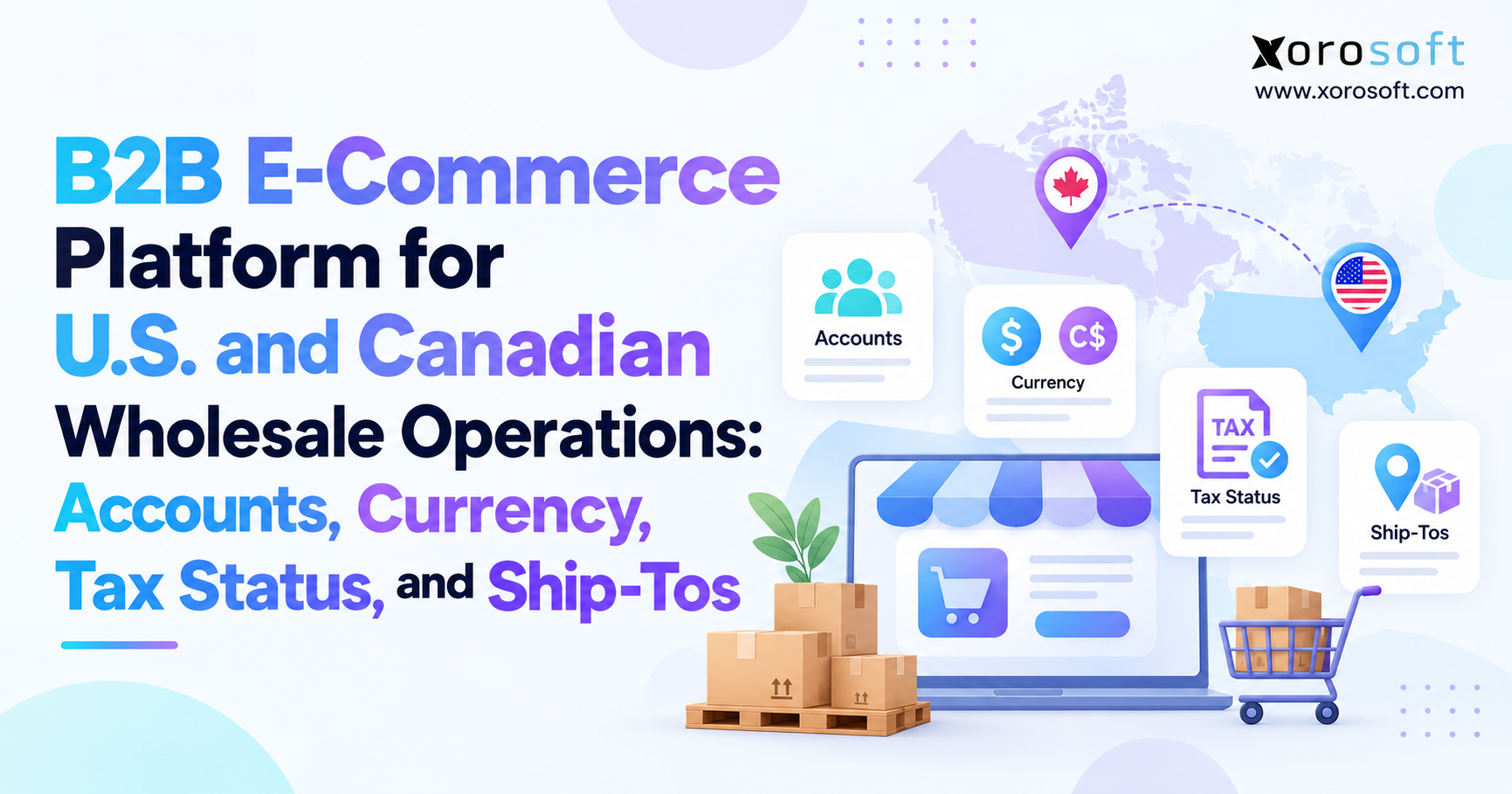
 B2B E-Commerce Platform for U.S. and Canadian Wholesale Operations: Accounts, Currency, Tax Status, and Ship-Tos
 -
 One Inventory Pool for Shopify and Amazon: Rules for Availability, Reservations, and Reconciliation
 -
 On-Hand vs Available vs Committed Inventory Explained
 -
 Dock Scheduling: How a Distributor Cut Dock Congestion With Scheduled Receiving and Cross-Docking