Inventory issues in ecommerce start small—but scale fast
Inventory issues in ecommerce often begin quietly, but they rarely stay small.
At first, a product shows “in stock” online but isn’t available in the warehouse. Soon after, a reorder gets delayed. During peak sales periods, stockouts hit unexpectedly.
Individually, these problems seem manageable. However, over time, they compound and start affecting the entire business.
For growing brands, inventory connects everything—sales, fulfillment, and finance. Therefore, when inventory breaks, operations follow.
As a result, many founders only notice inventory issues in ecommerce when growth starts slowing down without a clear explanation.
Why inventory issues in ecommerce appear as you scale
Inventory issues in ecommerce don’t come from one mistake. Instead, they emerge when operational complexity outpaces your systems.
Early on, brands rely on simple tools:
• Shopify for sales
• QuickBooks for accounting
• Spreadsheets for tracking
• Warehouse tools for fulfillment
Each tool works well individually. However, they don’t work well together.
Because of this, data becomes fragmented.
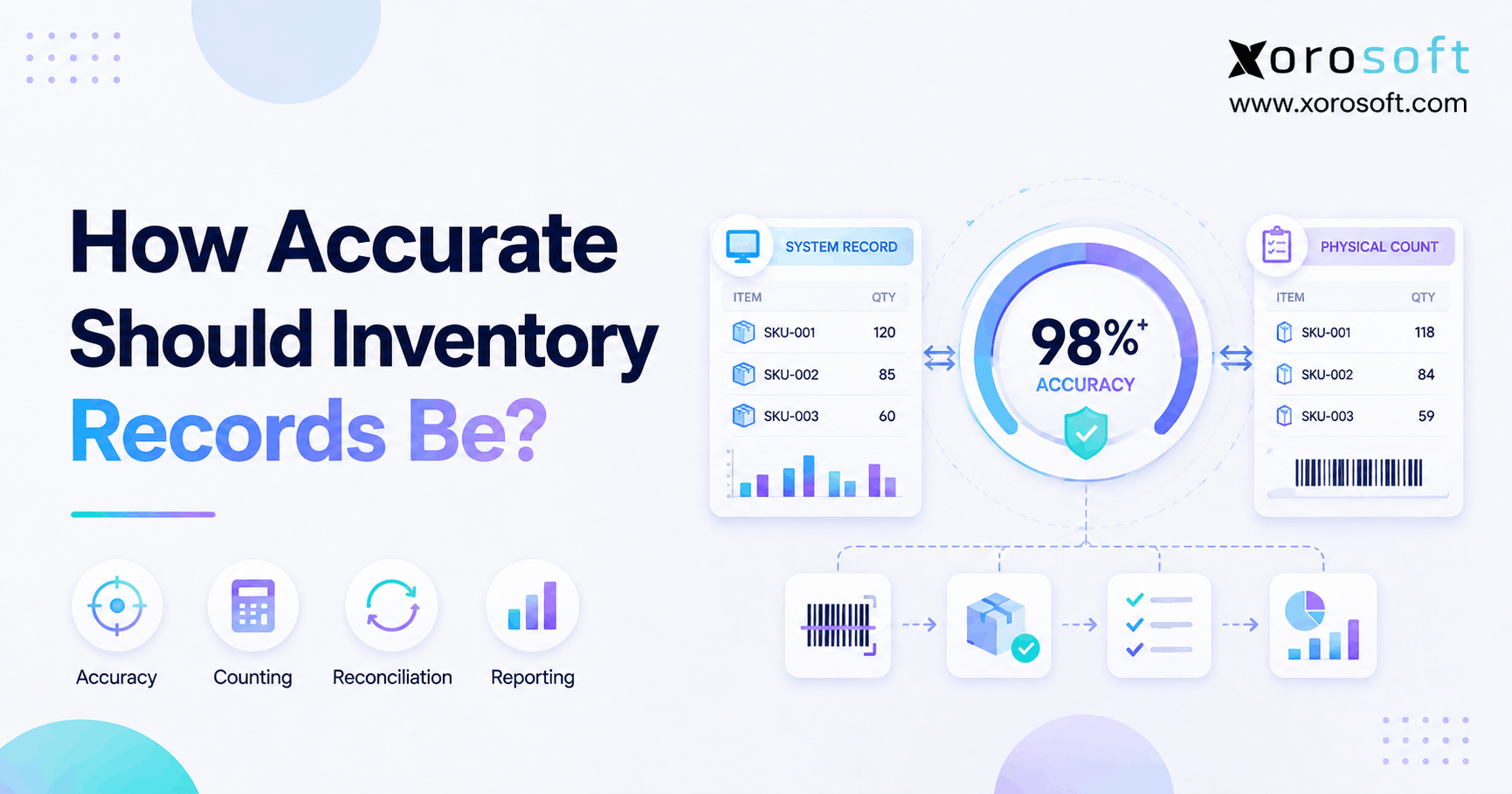
Inventory starts existing in multiple places. At the same time, each system reflects a slightly different version of reality. Consequently, teams begin relying on assumptions instead of accurate data.
The hidden problem: multiple versions of inventory data
As systems multiply, inconsistencies increase.
For example:
• Shopify shows available stock
• The warehouse tracks physical units
• Spreadsheets try to reconcile both
Over time, these numbers drift apart. Therefore, teams spend more time validating data than using it.
This is one of the most common inventory issues in ecommerce—and one of the most damaging.
Manual work becomes the system (and that’s the risk)
To compensate, teams build manual processes.
They export CSVs, update spreadsheets, and adjust stock manually.
Initially, this feels like control. However, it quickly becomes dependency.
Because humans are now responsible for keeping systems aligned, even small errors create larger problems. As a result, inventory issues in ecommerce scale alongside order volume.
More channels = more inventory issues in ecommerce
Growth introduces new complexity.
Brands expand into:
• Wholesale
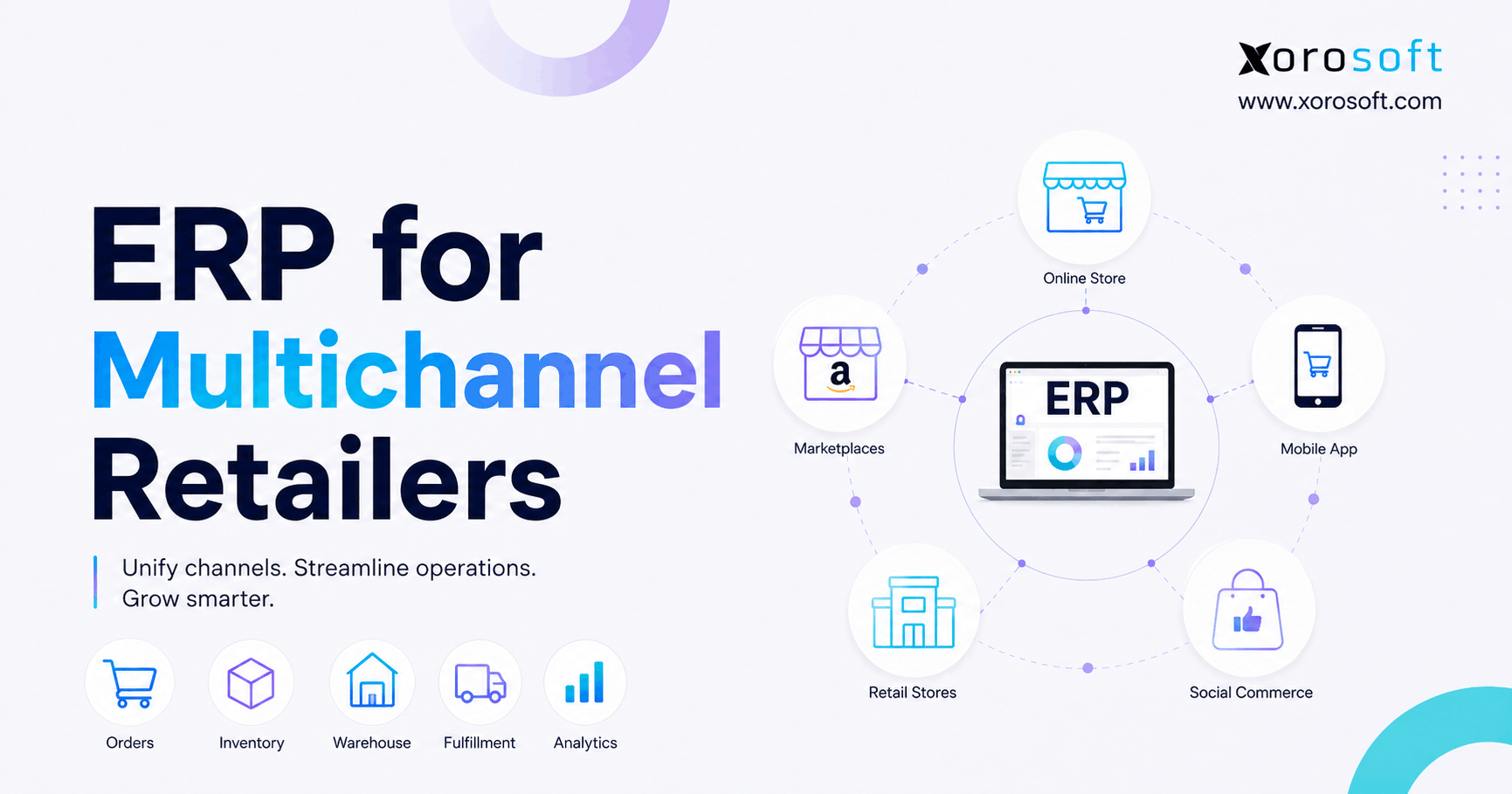
• Marketplaces
• Retail
Now inventory must sync across multiple channels.
However, without real-time updates, delays occur. Because of this, stock gets oversold, undersold, or misallocated.
Consequently, inventory issues in ecommerce multiply faster than teams can manage.
A real scenario founders recognize instantly
Consider a growing apparel brand.
They start with Shopify and manage inventory through spreadsheets. Initially, everything works.
Then growth accelerates.
Wholesale accounts are added, SKUs expand, and a second warehouse is introduced.
Now inventory lives across disconnected systems.
As a result:
A wholesale order gets confirmed using outdated data.
The warehouse cannot fulfill it.
Stock is pulled from ecommerce allocation.
Meanwhile:
• Customers order unavailable items
• Refunds increase
• Support tickets spike
At the same time, finance struggles to reconcile actual sales.
This is how inventory issues in ecommerce turn into operational chaos.
How inventory issues in ecommerce impact every function
Inventory problems don’t stay isolated. Instead, they spread across the business.
Inventory teams lose trust in data
Because numbers don’t match, teams double-check everything. As a result, operations slow down.
Finance becomes inaccurate
Inventory directly affects margins and reporting. Therefore, incorrect data leads to unreliable financials.
Fulfillment becomes inefficient
Warehouse teams deal with delays, split shipments, and errors. Consequently, productivity drops.
Decision-making slows down
Without reliable data, reordering and planning become guesswork. Because of this, growth decisions get delayed.
What high-performing brands do differently
Modern brands don’t just fix inventory—they redesign operations.
First, they create a single source of truth. Next, they enable real-time synchronization. Finally, they integrate all functions into one system.
Because of this approach, inventory issues in ecommerce decrease significantly.
Building a single source of truth for inventory
Instead of multiple systems, leading brands centralize inventory.
This system controls:
• Stock levels
• Allocations
• Warehouse visibility
• Incoming inventory
As a result, teams stop questioning data and start acting on it.
Solutions like XoroERP help unify these operations into one consistent system.
Real-time synchronization eliminates lag
Modern systems update inventory instantly.
Orders adjust stock in real time. Meanwhile, all sales channels reflect the same availability.
Because of this, overselling and stock mismatches reduce drastically.
For example, integrations available through the Shopify App Store ecommerce platforms stay synced with backend operations.
Connecting warehouse operations to inventory accuracy
Warehouse inefficiencies often amplify inventory issues.
Therefore, integrating warehouse operations is critical.
With tools like XoroWMS:
• Picking becomes more accurate
• Stock updates instantly
• Multi-location tracking improves
As a result, fulfillment becomes faster and more reliable.
Replacing fragmented tools with connected systems
Instead of juggling multiple tools, modern brands move toward unified platforms.
Solutions like XoroONE bring together:
• Inventory
• Purchasing
• Orders
• Finance
Because everything operates within one system, data stays consistent across teams.
Consequently, inventory issues in ecommerce are reduced at the root level.
Why fixing systems—not symptoms—drives growth
Most brands try to fix inventory problems manually.
However, that approach doesn’t scale.
Instead, high-growth companies fix the underlying system.
They eliminate:
• Manual reconciliation
• Data duplication
• Cross-platform inconsistencies
As a result, teams spend less time fixing issues and more time growing the business.
Rethinking your operations before inventory issues slow you down
Inventory issues in ecommerce are not just operational inefficiencies.
They are growth constraints.
These issues slow decision-making.
At the same time, costs start increasing.
Customer trust also begins to decline.
However, the real problem is not inventory itself.
It is the system behind it.
If your team constantly reconciles numbers or questions accuracy, it’s time to rethink your foundation.
Because scalable growth requires operational clarity.
👉 Book a demo to see how unified systems can eliminate inventory issues in ecommerce and bring complete visibility to your operations.