If you want to improve efficiency and productivity in your facility, understanding inventory control for manufacturing is essential.
1. Manufacturing Inventory Control Starts Before Production
Inventory control for manufacturing is the discipline of keeping raw materials, work-in-progress inventory, finished goods, and production-related stock accurate enough to support production without delays, overstock, or cash flow pressure. Unlike retail inventory, manufacturing inventory changes form as materials move from components into production and then into finished goods. Therefore, the business needs more than a basic stock count to understand what is actually available.
However, many growing manufacturers still treat inventory as a warehouse problem. For example, a production team may have labor ready, machines available, and customer orders waiting. Yet, one missing component can stop the entire schedule. As a result, a small inventory error can quickly become a production, purchasing, fulfillment, and finance problem.
Therefore, manufacturing inventory control needs more than basic stock counts. Instead, it needs accurate BOMs, reliable supplier data, clean warehouse processes, real-time inventory movement, and a strong connection between purchasing and production planning. Additionally, the process must give every team the same view of inventory.
In practice, the goal is simple: keep the right inventory available at the right time, in the right place, and at the right cost. Still, execution becomes harder as SKUs, warehouses, suppliers, sales channels, and production stages increase. Because of this, manufacturers need inventory control systems that scale with operational complexity.
1.1 Why Manufacturing Inventory Is Harder Than Simple Stock Tracking
In comparison, simple stock tracking answers one question: how many units do we have?
However, manufacturing inventory control answers several deeper questions:
- Do we have enough raw materials to start production?
- Which components are already committed to work orders?
- How much inventory is sitting in WIP?
- Which finished goods are available to sell?
- Which warehouse has the stock?
- Which supplier delays could affect production?
- Which BOMs need correction?
- Which items create the highest stockout risk?
Because of this, manufacturers need visibility across every inventory stage. Otherwise, teams make decisions from partial information. Moreover, partial information often creates false confidence because the system may show inventory that production has already consumed.
1.2 Why Weak Inventory Control Creates Operational Drag
As a result, weak inventory control creates friction in several ways. First, production slows when teams cannot find or trust material availability. Next, purchasing overbuys because buyers do not trust the numbers. Then, finance spends extra time reconciling inventory value, COGS, and adjustments. Consequently, every department carries the cost of poor inventory discipline.
Consequently, the business becomes reactive. Instead of planning ahead, teams expedite materials, adjust schedules, count inventory manually, and explain late shipments after problems already happen. Meanwhile, leadership loses visibility into what inventory problems are actually costing the business.
However, better inventory control gives every team a shared operating picture. As a result, purchasing, production, warehouse, fulfillment, and accounting teams can work from the same inventory reality. Ultimately, that shared reality creates better production confidence.
2. What Is Inventory Control for Manufacturing?
Simply put, inventory control for manufacturing is the process of tracking, managing, and improving raw materials, WIP, finished goods, and production-related stock so manufacturers can meet demand without avoidable shortages, excess inventory, or inaccurate financial records. Therefore, it is not only a warehouse process. Instead, it is an operating discipline that supports production, purchasing, fulfillment, and accounting.
2.1 Simple Definition
In simple terms, inventory control for manufacturing means making sure materials and finished goods are accurate, available, and properly recorded throughout the production lifecycle. Therefore, the process must track inventory before production, during production, and after production.
It includes:
- Raw material tracking
- Work order material consumption
- WIP visibility
- Finished goods availability
- BOM accuracy
- Reorder points
- Safety stock
- Lot and serial tracking
- Warehouse movements
- Inventory valuation
In short, inventory control creates the data discipline that production, purchasing, and accounting need to operate with confidence. Moreover, it prevents teams from making decisions based on outdated counts, disconnected spreadsheets, or assumptions.
2.2 How Manufacturing Inventory Control Works
Typically, a manufacturing inventory flow works like this:
1. Sales orders, forecasts, or production plans create demand.
2. BOMs identify the materials needed to build finished goods.
3. The system checks current stock, reserved stock, and incoming supply.
4. Purchasing orders missing materials.
5. Warehouse teams receive and put away inventory.
6. Production consumes materials through work orders.
7. WIP moves through production stages.
8. Finished goods enter sellable inventory.
9. Orders ship through wholesale, ecommerce, retail, Amazon, EDI, or other channels.
10. Accounting records inventory value and COGS.
Therefore, inventory control cannot sit in one department. Instead, it must connect operations from purchase order to finished goods shipment. Additionally, each movement should update the system quickly so teams can trust the numbers.
2.3 Inventory Control vs Inventory Management in Manufacturing
| Category | Inventory Control | Inventory Management |
|---|---|---|
| Main focus | Stock accuracy, movement, and availability | Planning, optimization, and policy |
| Time horizon | Daily and weekly execution | Weekly, monthly, and strategic planning |
| Manufacturing role | Tracks raw materials, WIP, and finished goods | Balances demand, supply, production, and cash |
| Example | Counting material in a bin | Deciding how much material to buy next quarter |
| Main benefit | Reliable inventory data | Better operating decisions |
Ultimately, both matter. Inventory control creates trusted numbers. Meanwhile, inventory management uses those numbers to improve purchasing, forecasting, production, and cash flow. Therefore, manufacturers need both execution discipline and planning discipline.
3. The Main Types of Manufacturing Inventory
Manufacturing companies usually manage several inventory types at once. Therefore, each category needs a different control method. Additionally, each category affects production risk in a different way.
3.1 Raw Material Inventory
Raw materials are the inputs used to manufacture products. For example, these may include fabric, wood, steel, packaging, ingredients, electronics, fasteners, and chemicals. Because production starts with raw materials, this category often creates the first inventory bottleneck.
Raw material inventory control focuses on supplier lead times, reorder points, safety stock, quality checks, receiving accuracy, and storage locations. Additionally, manufacturers must know whether materials are available, reserved, damaged, delayed, or under inspection. Otherwise, buyers and planners may assume materials are usable when they are not.
If raw materials run short, production cannot start on time. Therefore, raw material control is one of the first places manufacturing inventory control must improve.
3.2 Work-in-Progress Inventory
Work-in-progress inventory, also called WIP, includes materials and products that have entered production but are not finished yet. Therefore, WIP sits between raw material control and finished goods control.
For example, WIP may include cut fabric, unfinished furniture frames, mixed ingredients, assembled components, or products waiting for inspection. Meanwhile, this inventory may not be sellable, but it still carries value.
Because of this, WIP inventory control matters. Without WIP visibility, managers may think inventory is available when production has already consumed it. As a result, planning teams may make promises based on false availability.
3.3 Finished Goods Inventory
Finished goods are completed products ready to sell, ship, transfer, or allocate. Therefore, finished goods inventory connects production output to customer demand.
Consequently, finished goods inventory control affects customer promises, wholesale allocation, Shopify availability, Amazon replenishment, EDI orders, and warehouse fulfillment. Additionally, inaccurate finished goods inventory creates immediate customer-facing problems. For this reason, finished goods counts must stay accurate across every sales channel and warehouse location.
3.4 MRO Inventory
MRO means maintenance, repair, and operating supplies. These items do not usually become part of finished goods. However, they keep operations running. Therefore, they still matter to production continuity.
Examples include tools, machine parts, lubricants, safety supplies, cleaning materials, and maintenance parts. Although teams often overlook MRO stock, one missing repair part can stop production. As a result, manufacturers should not ignore MRO inventory simply because it does not appear in the finished product.
3.5 Safety Stock
Safety stock protects production against demand swings, supplier delays, quality failures, and forecast errors. Therefore, it acts as a buffer against uncertainty.
However, safety stock requires balance. Too little safety stock increases stockout risk. Meanwhile, too much safety stock traps cash and warehouse space. Therefore, manufacturers should review safety stock regularly instead of treating it as a fixed number.
| Inventory Type | Meaning | Example | Best Control Method |
|---|---|---|---|
| Raw materials | Inputs used in production | Fabric, steel, ingredients | Reorder points, MRP, supplier planning |
| WIP | Inventory currently in production | Cut fabric, assembled frames | Work order tracking |
| Finished goods | Completed sellable products | Packaged goods, finished apparel | Warehouse control and cycle counts |
| MRO | Supplies that support operations | Machine parts, tools | Min/max levels |
| Safety stock | Buffer against uncertainty | Extra critical components | Forecasting and lead time review |
4. Why Inventory Control Matters in Manufacturing
Overall, inventory control affects production reliability, cash flow, purchasing, fulfillment, and accounting. Moreover, it gives leaders a clearer view of operational risk. Therefore, manufacturers should treat inventory control as a business-wide discipline, not a warehouse-only task.
4.1 Production Continuity
First, production depends on material availability. If one required component is missing, the work order may stop. Consequently, labor, machines, and customer commitments may all be affected.
Good manufacturing inventory control helps teams answer:
- Can we start this work order today?
- Do we have every required material?
- Which materials are already reserved?
- Which supplier delays affect the schedule?
- What should purchasing expedite?
As a result, production teams spend less time chasing materials and more time producing. Additionally, planners can build more realistic schedules because they can trust material availability.
4.2 Cash Flow Management
Meanwhile, inventory uses working capital. Therefore, excess inventory can quietly weaken cash flow. Moreover, the cash impact often stays hidden until warehouse space, aging stock, or supplier bills create pressure.
Overstock creates storage costs, handling work, insurance cost, shrinkage risk, and obsolescence. Meanwhile, understock creates emergency purchases, rush freight, delayed orders, and production downtime. Therefore, both extremes hurt the business.
As a result, better inventory control helps manufacturers buy based on real demand instead of fear. Additionally, it helps teams identify which inventory deserves investment and which inventory should be reduced.
4.3 Purchasing Accuracy
Likewise, purchasing teams need accurate inventory data. Otherwise, buyers either overbuy to protect production or underbuy because the system shows stock that does not exist. Therefore, poor inventory control directly creates poor purchasing decisions.
With better inventory control, purchasing teams can see current stock, reserved stock, open purchase orders, supplier lead times, and work order demand. Therefore, buying decisions become more disciplined. Additionally, buyers can reduce emergency purchasing because they see risk earlier.
4.4 Customer Fulfillment
Additionally, finished goods accuracy affects every customer promise. If the system shows sellable inventory that is not truly available, sales teams may overcommit. Consequently, customers may experience delays even when the company believed stock was available.
Moreover, this becomes even more important when manufacturers sell through Shopify, Amazon, wholesale, EDI, retail, or multiple warehouses. In those cases, inventory control must support both production and fulfillment. Otherwise, channel inventory can become disconnected from warehouse reality.
4.5 Accounting and Inventory Valuation
Inventory is both an operational asset and a financial asset. Therefore, poor inventory control creates accounting problems. Moreover, accounting teams often discover operational mistakes after the damage has already happened.
Common issues include:
- Incorrect inventory valuation
- Delayed month-end close
- COGS errors
- Manual reconciliations
- Unexplained variances
- Weak margin visibility
- Inventory write-offs
Because finance relies on accurate operational data, better inventory control improves reporting quality. As a result, leaders can trust inventory value, margin, and COGS more easily.
5. Common Inventory Control Problems in Manufacturing
In most cases, manufacturing inventory problems come from poor data, weak processes, or disconnected systems. However, the symptoms often appear in production first. Therefore, manufacturers should trace production issues back to inventory process gaps.
5.1 Raw Material Shortages
Raw material shortages happen when production needs materials that are unavailable. Consequently, a work order can stop even when the rest of the operation is ready.
Common causes include:
- Inaccurate counts
- Supplier delays
- Late purchase orders
- Weak forecasting
- BOM errors
- Unrecorded material usage
- Quality rejections
- Poor reorder points
Consequently, teams reschedule labor, delay work orders, expedite materials, and miss customer deadlines. Therefore, raw material shortages create both direct and indirect costs.
5.2 Excess Inventory and Overstock
On the other hand, overstock happens when a manufacturer holds more inventory than demand requires. Although overstock may feel safer than shortages, it creates its own problems.
This often comes from supplier minimums, bulk discounts, weak forecasting, fear of stockouts, slow-moving SKUs, or outdated products. However, overstock is not just a warehouse issue. It also creates cash flow pressure. Therefore, overstock should be reviewed as a financial problem as much as an operational one.
Therefore, manufacturers should review slow-moving materials, obsolete items, and finished goods aging regularly. Additionally, they should identify whether overstock came from forecasting, purchasing, supplier constraints, or production planning.
5.3 Poor WIP Visibility
Often, many manufacturers know what they purchased and what they shipped. However, they struggle to see what happens between those points. As a result, WIP becomes a blind spot.
As a result, poor WIP visibility creates unclear production status, inaccurate availability, bottlenecks, and cost confusion. Additionally, it makes production planning harder because managers cannot see where inventory sits inside the process. Therefore, WIP tracking should be part of inventory control, not separate from it.
5.4 Inaccurate BOMs
Meanwhile, a bill of materials defines the components and quantities needed to make a finished product. Therefore, BOM accuracy directly affects inventory control. In fact, a bad BOM can create recurring shortages every time production runs.
Common BOM issues include:
- Wrong component quantities
- Missing subassemblies
- Outdated revisions
- Incorrect units of measure
- Missing scrap factors
- Missing packaging materials
- Unclear substitution rules
Because BOM errors repeat every time production runs, even small mistakes can create large inventory problems. Therefore, manufacturers should treat BOM accuracy as a control point, not just an engineering detail.
5.5 Disconnected Purchasing and Production Data
Similarly, inventory control breaks when purchasing, warehouse, production, ecommerce, and accounting teams work in separate systems. Consequently, each team sees a different version of inventory.
For example, purchasing may use spreadsheets, production may track work orders manually, warehouse teams may use a separate app, and finance may rely on QuickBooks. As a result, nobody has one trusted inventory picture. Therefore, the company spends more time reconciling data than improving operations.
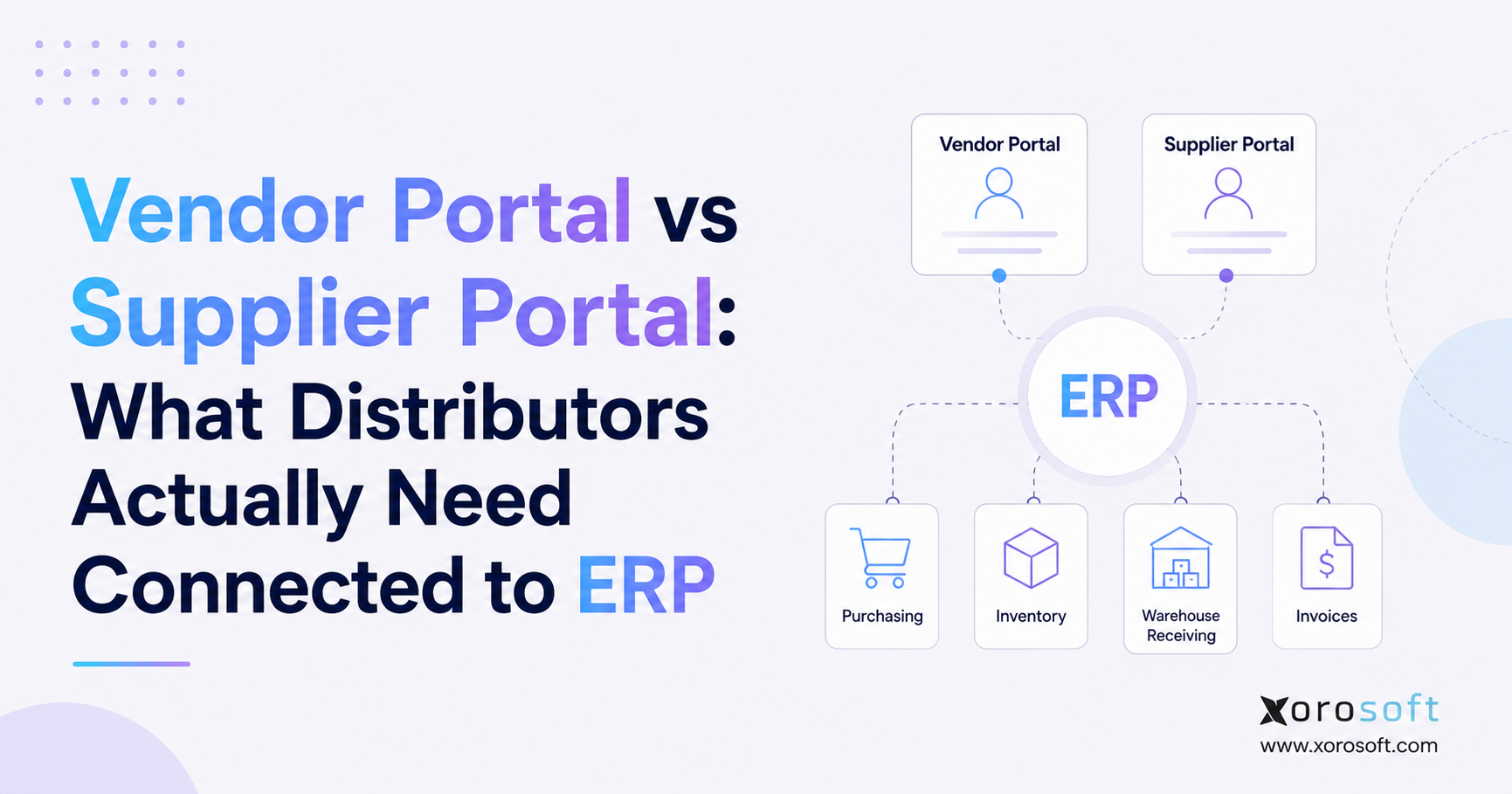
At this stage, manufacturers often evaluate systems like XoroERP because they need inventory, purchasing, accounting, warehouse, and production workflows in one operating system.
5.6 Multi-Warehouse Inventory Confusion
Additionally, multi-warehouse manufacturing adds another layer of difficulty. Stock may sit in production, a main warehouse, a 3PL, a retail location, or an ecommerce fulfillment location. Therefore, total inventory is not enough; location-level visibility matters.
Without location-level control, teams may transfer stock too late, sell from the wrong warehouse, or miss available inventory. Therefore, warehouse structure and system discipline matter as much as total inventory quantity. Moreover, multi-warehouse complexity usually exposes weak inventory processes quickly.
5.7 Inventory Valuation and Month-End Close Delays
Finally, finance teams feel inventory problems at month-end. When receiving, work order consumption, finished goods receipts, or adjustments are inaccurate, accounting must fix the data manually. Therefore, poor operational control becomes a financial reporting issue.
Consequently, month-end close slows down. More importantly, leaders lose confidence in margin and inventory valuation. As a result, inventory control becomes a finance priority as well as an operations priority.
| Problem | Common Cause | Operational Impact | Best Fix |
|---|---|---|---|
| Raw material shortages | Late purchasing or poor counts | Production delays | MRP and reorder points |
| Overstock | Weak demand planning | Cash tied up | Forecasting and slow-moving review |
| Poor WIP visibility | Manual work orders | Unclear production status | Work order tracking |
| BOM errors | Outdated product data | Wrong material planning | BOM audits |
| Multi-warehouse confusion | Disconnected locations | Wrong availability | Location-level inventory control |
| Slow close | Manual reconciliation | Finance delays | Integrated inventory and accounting |
Operational checkpoint: If inventory, purchasing, production, and accounting teams all maintain separate spreadsheets, the issue is no longer just inventory accuracy. Instead, it is system fragmentation. Therefore, the fix may require process redesign and system consolidation.
6. Core Inventory Control Methods for Manufacturing
For this reason, manufacturers should use several inventory control methods together. Otherwise, one method may solve one problem while leaving another exposed. Additionally, each method should match the product, supplier, warehouse, and production model.
6.1 ABC Analysis
Typically, ABC analysis ranks inventory by value, usage, or operational importance. Therefore, it helps teams focus control effort where the risk is highest.
A items usually deserve the tightest control because they carry high value or high production risk. Meanwhile, B items need moderate control, and C items may use simpler rules. However, manufacturers should also consider operational criticality, not only item value.
For example, a low-cost screw may seem unimportant. However, if that screw stops production, it may behave like an A item operationally. Therefore, ABC analysis should include production impact.
6.2 Reorder Points
A reorder point triggers purchasing when inventory reaches a defined level. Therefore, it gives buyers a clear signal before stock runs out.
A practical reorder point considers:
- Average demand
- Supplier lead time
- Safety stock
- Minimum order quantity
- Production schedule
Therefore, reorder points work best when companies update demand and lead time assumptions regularly. Otherwise, the reorder point may look correct but fail in practice.
6.3 Safety Stock Planning
Meanwhile, safety stock protects against uncertainty. However, manufacturers should not treat safety stock as a guess. Instead, they should connect safety stock to supplier reliability, demand variability, and production risk.
Better safety stock planning considers demand variability, supplier reliability, production criticality, quality risk, and lead time changes. As a result, the company can reduce stockout risk without overbuying everything. Moreover, safety stock should be reviewed whenever lead times or demand patterns change.
6.4 Cycle Counting
In practice, cycle counting means counting selected inventory regularly instead of waiting for one large annual count. Therefore, it improves accuracy without stopping the business.
Manufacturers can use:
- ABC cycle counting
- Location-based cycle counting
- Exception-based cycle counting
- High-movement item counts
- Negative inventory checks
Consequently, teams catch problems earlier. Additionally, they can identify whether errors come from receiving, picking, production consumption, transfers, or adjustments.
6.5 Material Requirements Planning
Material requirements planning, or MRP, calculates what materials the business needs, how much it needs, and when it needs them. Therefore, it connects production demand to purchasing action.
Specifically, MRP uses demand, BOMs, current inventory, open purchase orders, open work orders, and supplier lead times. Therefore, it helps manufacturers connect production plans to purchasing actions. Additionally, it gives buyers a forward-looking view instead of only a current stock view.
However, MRP only works when data is accurate. Otherwise, the system will recommend purchases based on bad counts, bad BOMs, or bad lead times.
6.6 Just-in-Time Inventory
Just-in-time inventory reduces inventory holding costs by receiving materials close to production time. Therefore, it can reduce excess stock and storage pressure.
However, JIT requires reliable suppliers, predictable demand, and disciplined production schedules. Otherwise, the business may expose itself to shortages. As a result, JIT works best in stable supply environments.
6.7 Economic Order Quantity
Economic order quantity, or EOQ, helps manufacturers balance ordering cost and holding cost. Therefore, it can support smarter purchasing quantities.
In practice, EOQ works best for repeat-purchase items with stable demand. However, manufacturers should adjust EOQ when supplier minimums, storage limits, or demand shifts change. Otherwise, EOQ can become outdated.
6.8 Lot and Serial Tracking
Lot tracking follows groups of inventory. Meanwhile, serial tracking follows individual units. Therefore, both methods support traceability.
For example, these controls matter in food, automotive parts, electronics, industrial products, regulated goods, and any business that needs traceability. Additionally, they support recalls, quality holds, warranty claims, and compliance workflows. Because of this, traceability should be designed into the process before problems happen.
| Method | Best For | Main Benefit | Main Limitation |
|---|---|---|---|
| ABC analysis | Prioritizing control effort | Focuses attention | Needs regular review |
| Reorder points | Repeat materials | Simple replenishment | Weak for volatile demand |
| Safety stock | Critical components | Reduces stockout risk | Can increase carrying cost |
| Cycle counting | Accuracy improvement | Finds issues early | Requires discipline |
| MRP | Component planning | Links demand to materials | Depends on clean data |
| JIT | Stable supply chains | Reduces excess inventory | Sensitive to disruption |
| EOQ | Repeat purchasing | Balances cost | Uses assumptions |
| Lot/serial tracking | Traceability | Supports quality control | Requires process rigor |
7. How BOMs Affect Manufacturing Inventory Control
A bill of materials sits at the center of manufacturing inventory control. Therefore, BOM quality affects purchasing, production, costing, and fulfillment. Moreover, BOM accuracy determines whether MRP and work orders can produce reliable results.
7.1 What a Bill of Materials Does
A BOM lists the materials, components, subassemblies, packaging, and quantities required to manufacture a finished product. Therefore, it becomes the product’s operational recipe.
A good BOM helps teams answer:
- What do we need to build this product?
- How much of each material do we need?
- Which subassemblies are required?
- Which items should purchasing order?
- What cost should roll into the finished good?
Because of this, BOMs should never live only in informal spreadsheets once production becomes complex. Instead, they should be controlled, reviewed, and connected to purchasing and production.
7.2 How BOM Accuracy Impacts Material Planning
If the BOM is wrong, material planning will be wrong. As a result, purchasing may buy too little, production may run short, and finance may see cost variances. Therefore, BOM accuracy directly protects production flow.
Additionally, BOM errors create repeated problems. Every work order based on the wrong BOM repeats the same inventory mistake. Consequently, even a small master-data error can become a recurring production issue.
7.3 Common BOM Mistakes
Common BOM mistakes include missing components, incorrect quantities, old revisions, wrong units of measure, missing scrap factors, and unclear substitutes. However, the deeper issue is usually ownership.
If nobody owns BOM accuracy, everyone suffers from bad BOM data. Therefore, manufacturers should assign responsibility for BOM review and approval.
7.4 How to Maintain Accurate BOMs
Manufacturers can improve BOM control by using clear ownership, revision control, routine audits, engineering change approvals, and planned-vs-actual material reviews. Additionally, they should document substitutions and scrap assumptions.
Additionally, teams should compare actual material consumption against expected usage. This practice helps identify incorrect quantities, scrap assumptions, and substitutions. As a result, BOMs improve through operational feedback.
For growing manufacturers, XoroONE can be relevant when the business needs inventory management, purchasing, warehouse management, production, ecommerce, EDI, accounting, and reporting connected in one system.
| BOM Issue | Inventory Impact | Production Impact | Financial Impact |
|---|---|---|---|
| Wrong quantity | Shortages or excess | Work order delays | Cost variance |
| Missing component | Incomplete planning | Production stoppage | Margin distortion |
| Old revision | Wrong materials purchased | Rework or scrap | Write-offs |
| Wrong unit of measure | Bad consumption data | Count errors | Valuation issues |
| Missing scrap factor | Underplanned materials | Mid-run shortages | Higher actual cost |
8. How MRP Improves Inventory Control for Manufacturing
MRP helps manufacturers plan materials before shortages appear. Therefore, it becomes valuable when products have multiple components, variable lead times, or regular production schedules. Additionally, it helps connect future demand to today’s purchasing decisions.
8.1 What MRP Means
Material requirements planning uses demand, BOMs, current inventory, work orders, open purchase orders, and supplier lead times to calculate what materials the company needs. Therefore, it turns production plans into material requirements.
In simple terms, MRP connects what you plan to make with what you need to buy. As a result, buyers and planners can act before shortages stop production.
8.2 How MRP Connects Demand, Inventory, and Purchasing
MRP answers four practical questions:
1. What do we need to make?
2. What components does each product require?
3. What do we already have?
4. What should we buy or produce next?
Consequently, purchasing becomes more aligned with production demand. Additionally, production teams gain a clearer view of material risk.
8.3 Key MRP Inputs
MRP depends on accurate inputs. Therefore, manufacturers must keep these records clean:
- Current inventory levels
- Open purchase orders
- Open work orders
- BOMs
- Supplier lead times
- Demand forecasts
- Sales orders
- Safety stock
- Minimum order quantities
If these inputs are wrong, MRP will produce poor recommendations. Therefore, data quality matters as much as the planning tool itself.
8.4 MRP Limitations
MRP cannot fix bad data. It also cannot replace process discipline. Therefore, teams must maintain accurate counts, BOMs, lead times, and work orders.
For example, if production consumes materials without recording usage, the system will show false availability. Likewise, if buyers ignore supplier lead time changes, MRP will recommend purchase dates that look correct but fail operationally.
Therefore, MRP works best when inventory control processes are already improving. Otherwise, it may simply automate bad assumptions.
| MRP Input | Why It Matters | MRP Output |
|---|---|---|
| Demand | Shows what needs production | Planned requirements |
| BOM | Defines components | Material demand |
| Current inventory | Shows available stock | Net requirements |
| Open POs | Shows incoming supply | Purchase timing |
| Open work orders | Shows production activity | Material allocation |
| Lead times | Shows supplier timing | Suggested order dates |
9. Inventory Control by Manufacturing Model
Different manufacturing models need different inventory control priorities. Therefore, operators should match methods to their production environment. Otherwise, the business may control the wrong inventory risk.
9.1 Make-to-Stock Manufacturing
Make-to-stock manufacturers produce goods before customer orders arrive. Therefore, finished goods inventory becomes especially important.
Because production depends on forecasts, finished goods inventory matters heavily. Therefore, these companies should track demand accuracy, inventory turnover, stockouts, and slow-moving finished goods. Additionally, they should review forecast error often.
9.2 Make-to-Order Manufacturing
Make-to-order manufacturers start production after receiving customer orders. Therefore, raw material availability usually matters more than finished goods stock.
In this model, raw material inventory control matters more than finished goods buffers. If components are missing, customer lead times slip quickly. As a result, supplier planning becomes a critical control point.
9.3 Assemble-to-Order Manufacturing
Assemble-to-order manufacturers hold components and assemble finished goods after demand appears. Therefore, component availability becomes critical.
One missing shared component can delay many customer orders. Consequently, assemble-to-order manufacturers need strong BOM control, component forecasting, and inventory allocation.
9.4 Contract Manufacturing
Contract manufacturers produce for other brands or customers. Therefore, they often need customer-level, project-level, or job-level inventory visibility.
They often need project-level visibility, lot tracking, customer-owned inventory control, and clear production status reporting. Additionally, they must separate materials by customer, contract, or job. Otherwise, inventory ownership and costing can become unclear.
9.5 Mixed-Mode Manufacturing
Mixed-mode manufacturers combine multiple production models. As a result, they need stronger controls because inventory may support stock production, custom orders, assemblies, and outsourced work at the same time.
Therefore, mixed-mode manufacturers usually need more advanced inventory control in manufacturing. Additionally, they need clear rules for allocation, work orders, transfers, and finished goods availability.
| Manufacturing Model | Inventory Focus | Main Risk | Best Control Method |
|---|---|---|---|
| Make-to-stock | Finished goods | Forecast error | Demand planning |
| Make-to-order | Raw materials | Material shortages | MRP |
| Assemble-to-order | Components | Missing shared parts | BOM control |
| Contract manufacturing | Customer/project stock | Traceability gaps | Lot and job tracking |
| Mixed-mode | Multiple flows | Complexity | ERP-level visibility |
10. Manufacturing Inventory Control Best Practices
Manufacturing inventory control improves when teams standardize how inventory moves. Additionally, leaders must review exceptions often enough to prevent small problems from becoming production delays. Therefore, best practices should focus on both process design and daily discipline.
10.1 Standardize Receiving and Putaway
Receiving is the first control point. Therefore, teams should treat it as a controlled process, not just a warehouse task.
A strong receiving process confirms:
- Purchase order match
- Item number
- Quantity received
- Unit of measure
- Lot or serial number
- Quality status
- Warehouse location
- Receiving date
Then, warehouse teams should put inventory away quickly. Otherwise, stock may exist physically but remain invisible to production. As a result, production may reorder materials that are already in the building.
10.2 Track Inventory Movements in Real Time
Manufacturers should record inventory movement as it happens. Otherwise, the system will always lag behind the floor. Therefore, delayed updates should be treated as an inventory control problem.
This includes receiving, transfers, work order issue, WIP movement, finished goods receipt, picking, shipping, and adjustments. Additionally, each movement should identify the item, quantity, location, and reason.
For warehouse-heavy manufacturers, XoroWMS can support inventory tracking, warehouse operations, order fulfillment, receiving, and real-time visibility.
10.3 Improve Shop Floor Accuracy
Warehouse accuracy alone is not enough. Therefore, production teams also need disciplined material issue, scrap recording, return-to-stock processes, and WIP updates.
Otherwise, inventory accuracy declines after materials leave the warehouse. As a result, the system may show materials as available even after production has used them.
10.4 Connect Purchasing to Production Demand
Purchasing should not operate from guesswork. Instead, buyers should use demand forecasts, sales orders, BOM requirements, work orders, current inventory, open POs, and supplier lead times.
As a result, purchase orders reflect actual production needs. Additionally, buyers can identify shortages earlier and avoid unnecessary emergency orders.
10.5 Review Inventory KPIs Weekly
Weekly KPI reviews help manufacturers spot risk earlier. Therefore, inventory control becomes a management rhythm, not a cleanup project.
Teams should review:
- Stockout risks
- Slow-moving inventory
- Negative inventory
- WIP aging
- Supplier delays
- Count discrepancies
- Purchase order exceptions
- Inventory adjustments
As a result, leaders can address inventory problems before they affect customers. Moreover, teams can identify recurring causes instead of fixing the same symptoms repeatedly.
10.6 Audit BOMs and Routings Regularly
BOMs and routings change as products, materials, suppliers, and processes change. Therefore, manufacturers should audit them regularly.
Useful audit questions include:
- Are component quantities accurate?
- Are scrap factors realistic?
- Are subassemblies structured correctly?
- Are old revisions inactive?
- Are substitutions approved?
- Do actual costs match expected costs?
Additionally, regular audits help teams prevent small master-data errors from becoming repeated production problems. Consequently, BOM audits should become part of the operating cadence.
10.7 Reduce Spreadsheet Dependency
Spreadsheets can support early operations. However, they become risky when production complexity grows.
Common warning signs include duplicate files, manual copy-paste work, delayed updates, broken formulas, limited audit trails, and unclear ownership. Therefore, spreadsheets should not remain the central control system once multiple teams depend on real-time inventory data.
Eventually, the business needs systems that connect inventory, purchasing, production, warehouse, and accounting data. Otherwise, each team will keep building its own version of the truth.
11. Manufacturing Inventory KPIs to Track
Manufacturers should measure inventory performance with practical KPIs. Otherwise, teams may rely on opinions instead of operating data. Therefore, KPI reviews should connect inventory accuracy to production, purchasing, finance, and fulfillment.
11.1 Inventory Accuracy Rate
Inventory accuracy measures whether system quantities match physical quantities. Therefore, it shows whether teams can trust inventory data.
Formula:
Inventory Accuracy Rate = Accurate Counted Items ÷ Total Counted Items × 100
Higher accuracy gives production, purchasing, and finance more confidence. Therefore, it should be one of the first KPIs manufacturers track.
11.2 Stockout Rate
Stockout rate measures how often required items are unavailable. Consequently, it shows how often inventory control fails to support production.
A high stockout rate points to weak planning, poor inventory accuracy, supplier issues, or incorrect reorder levels. Consequently, teams should review stockouts by root cause instead of treating them as random events.
11.3 Inventory Turnover
Inventory turnover shows how often inventory moves through the business. Therefore, it helps leaders understand whether stock is productive or stagnant.
Higher turnover can indicate efficient inventory use. However, very high turnover may also signal stockout risk. Therefore, manufacturers should review turnover alongside service levels and production reliability.
11.4 Days Inventory Outstanding
Days inventory outstanding shows how long inventory sits before use or sale. Therefore, it helps identify inventory that consumes cash without supporting demand.
This KPI helps manufacturers identify excess raw materials, aging WIP, and slow-moving finished goods. As a result, leaders can make better decisions about purchasing, liquidation, and production planning.
11.5 WIP Aging
WIP aging shows how long inventory remains in production stages. Therefore, it reveals production bottlenecks that normal stock reports may not show.
If WIP sits too long, the issue may involve bottlenecks, quality holds, missing components, or labor constraints. Therefore, WIP aging helps expose production friction that normal stock reports may hide.
11.6 Carrying Cost of Inventory
Carrying cost includes storage, insurance, handling, shrinkage, obsolescence, and capital cost. Therefore, it shows the real cost of holding too much stock.
Therefore, carrying cost helps leaders understand the real cost of overstock. Additionally, it helps finance and operations align around inventory reduction priorities.
11.7 Production Schedule Adherence
Production schedule adherence measures whether production finishes on time. Therefore, it connects inventory control to customer delivery.
Poor adherence often points to material shortages, capacity issues, planning gaps, or poor inventory visibility. Consequently, this KPI connects inventory control directly to customer delivery.
11.8 Purchase Order Lead Time
Purchase order lead time measures how long suppliers take to deliver. Therefore, it affects reorder points, MRP, and safety stock.
Because MRP and reorder points rely on lead times, manufacturers should review this KPI often. Otherwise, outdated lead times can create false confidence in purchasing plans.
| KPI | What It Measures | Why It Matters | Review Frequency |
|---|---|---|---|
| Inventory accuracy | System vs physical stock | Trust in data | Weekly/monthly |
| Stockout rate | Item unavailability | Production reliability | Weekly |
| Inventory turnover | Inventory movement | Cash efficiency | Monthly |
| Days inventory outstanding | Inventory age | Slow-moving risk | Monthly |
| WIP aging | Time in production | Bottleneck visibility | Weekly |
| Carrying cost | Cost of holding stock | Profitability | Monthly |
| Schedule adherence | Production reliability | Delivery performance | Weekly |
| PO lead time | Supplier timing | Purchasing accuracy | Monthly |
12. Inventory Control Software for Manufacturing
Software should match business complexity. Therefore, not every manufacturer needs ERP immediately. However, many manufacturers eventually outgrow spreadsheets and disconnected tools. As a result, system evaluation becomes part of inventory control maturity.
12.1 When Spreadsheets Are Enough
Spreadsheets may work when SKU count is low, production is simple, one person manages inventory, and accounting reconciliation remains manageable. Therefore, they can support very early-stage operations.
However, spreadsheets rely on manual discipline. As volume grows, errors become harder to catch. Therefore, spreadsheets should not become the long-term operating system for complex manufacturing.
12.2 When Inventory Software Is Enough
Standalone inventory software can work when the company mainly needs stock tracking, barcode scanning, warehouse counts, and basic purchasing. Therefore, it can be useful for simple inventory operations.
However, inventory software may not be enough when the manufacturer needs BOMs, work orders, MRP, costing, accounting, ecommerce sync, or multi-warehouse control. As a result, growing manufacturers often need a broader system.
12.3 When MRP Software Is Needed
MRP software helps when material planning becomes the main issue. Therefore, it fits manufacturers that need better planning around BOMs, production demand, and lead times.
It supports component planning, production demand, lead times, and purchase recommendations. However, MRP alone may not solve accounting, warehouse, ecommerce, or reporting gaps. Therefore, manufacturers should define whether the problem is material planning only or broader operational control.
12.4 When Manufacturing ERP Becomes Necessary
Manufacturing ERP becomes relevant when inventory control connects to broader operational problems. Therefore, the upgrade decision usually appears when inventory affects multiple departments.
Common triggers include:
- QuickBooks no longer supports operational complexity
- Spreadsheets drive purchasing decisions
- Work orders live outside inventory records
- Multi-warehouse visibility is weak
- Shopify or Amazon inventory does not match warehouse stock
- EDI orders add allocation pressure
- Finance spends too much time reconciling inventory
- Leaders cannot see real-time production and inventory data
At this stage, manufacturers may compare cloud ERP systems. For example, companies outgrowing accounting-first workflows may review a QuickBooks ERP comparison, while inventory-heavy teams may also evaluate a Cin7 ERP comparison when they need deeper manufacturing, warehouse, accounting, and forecasting workflows.
12.5 ERP vs MRP vs Inventory Software
| System Type | Scope | Best For | Limitation |
|---|---|---|---|
| Inventory software | Stock and warehouse tracking | Simple product businesses | May lack manufacturing depth |
| MRP software | Material planning and production demand | Component-heavy manufacturers | May not include full accounting |
| Manufacturing ERP | Inventory, production, purchasing, warehouse, accounting, reporting | Growing manufacturers | Requires implementation discipline |
System evaluation point: If inventory control issues now affect production, finance, purchasing, and customer fulfillment at the same time, the business likely needs more than standalone inventory software. Therefore, the company should evaluate whether ERP-level integration is now required.
13. How ERP Supports Inventory Control for Manufacturing
ERP supports manufacturing inventory control by connecting operational and financial workflows. Therefore, it helps teams work from one source of truth instead of separate spreadsheets and apps. Moreover, ERP reduces the manual handoffs that often create inventory errors.
13.1 Inventory Management
ERP gives teams a central view of inventory by item, warehouse, bin, lot, serial number, status, and availability. Therefore, teams can see more than total stock.
Additionally, it helps separate available, reserved, incoming, and in-transit stock. As a result, teams can make better decisions about production, fulfillment, and purchasing.
13.2 Purchasing
ERP connects purchasing to real inventory demand. Therefore, buyers can act from production requirements instead of spreadsheet assumptions.
Buyers can use reorder points, supplier lead times, forecasts, sales orders, and work order demand to make better purchase decisions. As a result, purchasing becomes more proactive.
13.3 Work Orders
Work orders help production teams issue materials, track WIP, consume components, record labor, and receive finished goods. Therefore, they connect inventory movement to production activity.
Because work orders connect inventory to production, they improve visibility across the shop floor. Additionally, they help finance understand material consumption and production cost.
13.4 BOM Management
ERP helps teams maintain controlled BOMs, revisions, components, subassemblies, and production requirements. Therefore, BOM changes become easier to govern.
Therefore, BOM updates can flow into purchasing, costing, and work order planning. As a result, production teams avoid repeated planning mistakes.
13.5 Warehouse Management
Warehouse management supports receiving, putaway, bin control, picking, packing, transfers, barcode scanning, and shipping. Therefore, warehouse workflows directly affect inventory accuracy.
For manufacturers with warehouse complexity, the warehouse process directly affects production accuracy. Therefore, warehouse management should connect tightly with inventory and production workflows.
13.6 Accounting Integration
Integrated accounting connects inventory movements to financial records. Therefore, finance can rely on operational transactions instead of manual cleanups.
This helps with:
- Inventory valuation
- COGS
- Purchase accruals
- Margin reporting
- Work order costing
- Month-end close
- Reconciliation
Consequently, finance teams spend less time cleaning up operational data. Moreover, leaders get a clearer view of margin and inventory value.
13.7 Forecasting and Reporting
Forecasting helps manufacturers plan materials before demand becomes urgent. Meanwhile, reporting helps leaders identify exceptions, slow-moving stock, shortages, supplier delays, and margin issues. Therefore, forecasting and reporting turn inventory control into forward-looking management.
For manufacturers that sell physical products through ecommerce, wholesale, Amazon, EDI, and multiple warehouses, XoroONE can connect inventory, accounting, purchasing, warehouse management, manufacturing, forecasting, reporting, and ecommerce workflows. Additionally, Shopify merchants can review the Xorosoft ERP Shopify App Store listing for Shopify-related inventory sync and app details.
| Platform | Best Fit | Inventory Capabilities | Manufacturing Capabilities | Notes |
|---|---|---|---|---|
| Xorosoft | Inventory-driven manufacturers and product businesses | Multi-warehouse inventory, purchasing, forecasting, reporting | BOMs, production workflows, operational visibility | Useful for teams outgrowing QuickBooks, spreadsheets, and disconnected apps |
| NetSuite | Mid-market and enterprise ERP buyers | Inventory, procurement, warehouse, financials | Work orders, assemblies, BOMs | Broad ERP ecosystem |
| Acumatica | Growing companies needing cloud ERP flexibility | Inventory, purchasing, distribution | BOM, routing, production, MRP capabilities | Strong cloud ERP positioning |
| Cin7 | Product businesses needing inventory and order workflows | Inventory and raw material tracking | Production and light manufacturing workflows | Strong inventory-led positioning |
| Fishbowl | Smaller manufacturers needing inventory and production tools | Inventory and warehouse tools | BOMs and work orders | Often paired with QuickBooks |
| Business Central | Microsoft-centric businesses | Inventory, finance, operations | Manufacturing and production modules | Strong Microsoft ecosystem fit |
14. Manufacturing Inventory Control Examples by Industry
Inventory control changes by industry. Therefore, manufacturers should adapt methods to materials, product complexity, shelf life, and channel mix. Additionally, each industry has different risk points.
14.1 Apparel Manufacturing
Apparel manufacturers manage fabrics, trims, labels, packaging, colors, sizes, styles, and seasons. Therefore, SKU complexity can grow quickly.
Common challenges include fabric shortages, seasonal overstock, size-level complexity, supplier delays, and multi-channel allocation. Therefore, apparel teams need strong raw material control and finished goods visibility.
14.2 Furniture Manufacturing
Furniture manufacturers often manage bulky materials, custom options, long lead times, and multi-stage production. Therefore, warehouse space and WIP visibility become major control points.
Because components take space and production may move through several stages, WIP visibility becomes especially important. Additionally, warehouse organization matters because bulky inventory can quickly reduce usable space.
14.3 Food and Beverage Manufacturing
Food and beverage manufacturers need lot tracking, expiry control, quality checks, batch visibility, and recall readiness. Therefore, traceability becomes central to inventory control.
Additionally, they must manage waste, spoilage, substitutions, and compliance requirements. Therefore, food inventory control must connect production planning with traceability.
14.4 Sporting Goods Manufacturing
Sporting goods manufacturers may face seasonal demand, component complexity, packaging variations, and channel allocation challenges. Therefore, production and finished goods planning must stay aligned.
As a result, they need accurate component planning and finished goods control across ecommerce, wholesale, and warehouse locations.
14.5 Automotive Parts Manufacturing
Automotive parts manufacturers need traceability, supplier reliability, engineering change control, and production schedule accuracy. Therefore, inventory control must support both quality and production planning.
Therefore, lot or serial tracking may become critical. Additionally, engineering changes must flow quickly into BOMs and purchasing plans.
14.6 Industrial Distribution and Light Manufacturing
Some companies combine distribution, kitting, assembly, customization, and light manufacturing. Therefore, inventory may serve both sales orders and production orders at the same time.
In those cases, inventory supports both sales and production. Therefore, teams need clear rules for allocation, assembly demand, and warehouse transfers.
For broader industry fit, manufacturers can review industries served by Xorosoft to see how inventory-heavy workflows differ across verticals.
15. Common Mistakes to Avoid
Manufacturing inventory control often fails because teams normalize workarounds. However, those workarounds become expensive as the company grows. Therefore, manufacturers should identify mistakes before they become operating habits.
15.1 Managing Inventory Separately from Production
Inventory and production should not operate separately. Production consumes inventory, while inventory availability determines production feasibility. Therefore, the two workflows must share data.
Otherwise, production plans will always rely on incomplete inventory information. As a result, production teams may schedule work that the business cannot support.
15.2 Ignoring WIP Inventory
If teams do not track WIP, they cannot see where materials sit. As a result, managers may assume inventory is available when production has already consumed it. Therefore, WIP becomes a hidden source of inventory error.
Therefore, WIP visibility should be part of the core inventory control process. Otherwise, production status and available inventory will remain unclear.
15.3 Using Outdated BOMs
Outdated BOMs create repeated purchasing errors, material shortages, rework, and costing issues. Therefore, old BOMs create both operational and financial risk.
Therefore, BOM governance should become a formal process. Additionally, teams should review BOMs whenever products, suppliers, materials, or production methods change.
15.4 Treating Forecasts as Fixed Demand
Forecasts are planning assumptions, not guaranteed demand. Therefore, manufacturers should compare forecasts with actual sales and adjust purchasing accordingly.
Otherwise, the company may overbuy slow-moving items while still running short on critical components. As a result, forecast review should become part of inventory control.
15.5 Waiting Too Long to Upgrade Systems
Many manufacturers wait until inventory problems hurt customers or delay financial reporting. However, system issues usually appear earlier. Therefore, leaders should watch for early warning signs.
Warning signs include:
- More manual reconciliations
- More warehouse adjustments
- More stockouts
- More spreadsheet purchasing
- More unclear WIP
- More channel inventory mismatches
- More delayed reporting
Instead of waiting for failure, leaders should review systems when complexity becomes visible. Otherwise, the business may continue adding manual workarounds to a broken process.
16. When Should a Manufacturer Upgrade Inventory Control Systems?
A manufacturer should upgrade when current tools no longer support reliable control. However, the decision should come from operational complexity, not software trends. Therefore, the best time to evaluate systems is before inventory problems become normal.
16.1 Signs Your Current System Is Breaking
Common signs include:
- Inventory counts are often wrong.
- Production teams do not trust system quantities.
- Buyers rely on spreadsheets.
- Work orders are tracked manually.
- Finished goods availability is unclear.
- Accounting spends too long reconciling inventory.
- Warehouses maintain separate records.
- Stockouts happen despite available inventory.
Consequently, the business spends more time managing exceptions than improving operations. Therefore, recurring exceptions should trigger a system and process review.
16.2 Signs You Have Outgrown QuickBooks and Spreadsheets
QuickBooks and spreadsheets can work early. However, they become limiting when production and inventory complexity increase. Therefore, manufacturers should watch for signs that the tools no longer match the operation.
You may have outgrown them when:
- BOMs live outside the accounting system.
- Purchasing decisions require manual spreadsheets.
- Work orders do not connect to stock.
- Multi-warehouse inventory is unclear.
- Reporting requires exports from multiple apps.
- Ecommerce stock does not match warehouse stock.
- Month-end close depends on manual inventory cleanup.
At that stage, the business may need a deeper ERP evaluation. In some cases, a neutral ERP comparison hub helps teams compare platforms without forcing every decision into one vendor page.
16.3 Signs You Need Integrated ERP
Integrated ERP becomes relevant when inventory, purchasing, production, warehouse, ecommerce, EDI, and accounting need one operating layer. Therefore, ERP becomes less about software preference and more about operational control.
For example, a manufacturer selling through Shopify, Amazon, wholesale, and multiple warehouses needs inventory visibility across every demand source. Additionally, finance needs the same transactions to flow into accounting.
Xorosoft fits this type of inventory-driven environment when companies need manufacturing, inventory, purchasing, warehouse, forecasting, accounting, reporting, and ecommerce workflows in a cloud ERP system.
16.4 Questions to Ask Before Choosing a System
Before choosing software, ask:
1. Do we need BOM and work order management?
2. Do we need MRP?
3. Do we need accounting in the same system?
4. Do we manage multiple warehouses?
5. Do we sell through Shopify, Amazon, wholesale, or EDI?
6. Do we need lot or serial tracking?
7. Do we need forecasting?
8. Do we need real-time reporting?
9. Do we have clean item and BOM data?
10. Are our teams ready to standardize processes?
Ultimately, the right system depends on complexity, not just revenue size. Therefore, manufacturers should choose based on workflows, data quality, integrations, and reporting needs.
17. Manufacturing Inventory Control Checklist
Use this checklist to review your current inventory process. Additionally, use it to identify whether the problem is process discipline, system limitation, or both. Therefore, this checklist should be reviewed by operations, purchasing, warehouse, production, and finance together.
17.1 Data Checklist
- Item numbers are standardized.
- Units of measure are consistent.
- Product categories are clean.
- Duplicate items are removed.
- BOMs are current.
- Component quantities are accurate.
- Revisions are controlled.
- Supplier lead times are updated.
- Minimum order quantities are documented.
- Preferred suppliers are identified.
17.2 Process Checklist
- Receiving matches purchase orders.
- Inventory movements are recorded immediately.
- Work order consumption is tracked.
- WIP stages are visible.
- Finished goods receipts follow a standard process.
- Scrap is recorded.
- Inventory adjustments require approval.
- Quality holds use separate inventory status.
17.3 Warehouse Checklist
- Bin locations are defined.
- Cycle counts follow a schedule.
- Barcode scanning supports high-volume areas.
- Transfers are recorded.
- Obsolete stock is reviewed.
- Warehouse teams follow standard workflows.
- Pick, pack, and ship processes update inventory quickly.
17.4 Purchasing Checklist
- Reorder points are reviewed.
- Safety stock levels are defined.
- Open purchase orders are visible.
- Supplier delays are tracked.
- Buyers can see production demand.
- Emergency purchases are reviewed.
- Overstock causes are investigated.
17.5 ERP Readiness Checklist
You may be ready for ERP if:
- Inventory, purchasing, production, warehouse, and accounting data are disconnected.
- Manual reconciliation keeps increasing.
- Multi-warehouse complexity is growing.
- Production depends on spreadsheets.
- Forecasting is difficult.
- Work orders do not connect to inventory.
- Month-end close slows down because of inventory.
- Leadership lacks real-time operational reporting.
ERP readiness prompt: If your team cannot explain available inventory, reserved inventory, WIP, incoming materials, and finished goods from one system, your next improvement may need to be system-level, not spreadsheet-level. Therefore, the next step may involve both process cleanup and ERP evaluation.
18. FAQ Section
18.1 What is inventory control for manufacturing?
Inventory control for manufacturing is the process of tracking raw materials, WIP, finished goods, and production-related stock. Therefore, it helps manufacturers keep the right materials available for production without carrying too much inventory. Additionally, it supports purchasing, warehouse operations, customer fulfillment, and accounting accuracy.
18.2 Why is inventory control important in manufacturing?
Inventory control matters because production depends on material availability. If one component is missing, a work order can stop. Meanwhile, too much inventory traps cash and warehouse space. Therefore, better control improves production flow, purchasing decisions, fulfillment accuracy, and financial reporting.
18.3 What are the main types of manufacturing inventory?
The main types are raw materials, work-in-progress inventory, finished goods, MRO inventory, and safety stock. Raw materials support production. Meanwhile, WIP sits inside production, and finished goods are ready to sell or ship. Additionally, MRO supports operations, while safety stock protects against uncertainty.
18.4 What is the difference between inventory control and inventory management?
Inventory control focuses on accuracy, movement, location, and availability. Meanwhile, inventory management covers broader planning, including forecasting, replenishment, purchasing strategy, and inventory optimization. Therefore, inventory control creates reliable data, while inventory management turns that data into better decisions.
18.5 How does MRP help inventory control?
MRP helps manufacturers calculate what materials they need, how much they need, and when they need them. It uses demand, BOMs, inventory, purchase orders, work orders, and lead times. As a result, purchasing and production teams can plan before shortages happen.
18.6 How does a BOM affect inventory control?
A BOM affects inventory control because it defines the components and quantities needed to make finished goods. If the BOM is wrong, purchasing may buy the wrong materials and production may run short. Therefore, BOM accuracy is essential for MRP, costing, and work order planning.
18.7 What causes inventory problems in manufacturing?
Common causes include inaccurate counts, outdated BOMs, supplier delays, late purchase orders, weak receiving processes, poor WIP tracking, manual spreadsheets, and disconnected systems. Additionally, inventory problems grow when purchasing, production, warehouse, and accounting teams use different data. Therefore, the root cause is often process fragmentation.
18.8 How do manufacturers reduce stockouts?
Manufacturers reduce stockouts by improving inventory accuracy, setting reorder points, reviewing safety stock, using MRP, cycle counting regularly, and connecting purchasing to production demand. Additionally, supplier lead times should be reviewed often because outdated lead times create planning errors. As a result, teams can act earlier.
18.9 How do manufacturers reduce overstock?
Manufacturers reduce overstock by reviewing slow-moving items, improving forecasts, using ABC analysis, controlling purchasing rules, and comparing inventory to actual demand. However, teams must also challenge fear-based buying because overbuying often hides weak inventory confidence. Therefore, overstock reduction starts with better visibility.
18.10 What is WIP inventory control?
WIP inventory control tracks materials and partially completed products during production. It shows what inventory sits on the shop floor, which work orders are active, and where production may be delayed. Therefore, WIP visibility helps prevent false availability and unclear production status.
18.11 What is raw material inventory control?
Raw material inventory control manages the materials used to manufacture products. It includes receiving, storage, supplier planning, quality checks, reorder points, safety stock, and material issue to production. Because production starts with raw materials, this control area is critical. Therefore, shortages here affect the entire schedule.
18.12 What is finished goods inventory control?
Finished goods inventory control manages completed products ready for sale, shipment, transfer, or allocation. It supports customer promises, ecommerce availability, wholesale orders, warehouse transfers, and accounting. Therefore, finished goods accuracy directly affects revenue and fulfillment.
18.13 What inventory control methods work best for manufacturers?
Useful methods include ABC analysis, reorder points, safety stock, cycle counting, MRP, EOQ, barcode scanning, lot tracking, and serial tracking. However, the best mix depends on production model, SKU complexity, supplier lead times, warehouses, and demand variability. Therefore, manufacturers should combine methods.
18.14 What KPIs should manufacturers track?
Manufacturers should track inventory accuracy, stockout rate, inventory turnover, days inventory outstanding, WIP aging, carrying cost, production schedule adherence, purchase order lead time, and supplier performance. Together, these KPIs show whether inventory control supports production or creates friction. Therefore, they should be reviewed regularly.
18.15 Can QuickBooks handle manufacturing inventory?
QuickBooks may work for simple manufacturers with limited SKUs, basic purchasing, and low production complexity. However, manufacturers often outgrow it when they need BOMs, MRP, work orders, multi-warehouse visibility, forecasting, warehouse workflows, and integrated inventory accounting. Therefore, complexity determines the answer.
18.16 Are spreadsheets enough for manufacturing inventory control?
Spreadsheets may work for very small operations. However, they become risky as SKUs, warehouses, suppliers, BOMs, and work orders increase. Eventually, spreadsheet errors create version-control issues, delayed updates, weak audit trails, and poor visibility. Therefore, spreadsheets should not remain the long-term system.
18.17 What is the difference between ERP and MRP?
MRP focuses on material planning. It calculates what materials the manufacturer needs based on demand, BOMs, inventory, and lead times. ERP is broader because it connects inventory, manufacturing, purchasing, accounting, warehouse management, reporting, ecommerce, and finance. Therefore, ERP covers more workflows.
18.18 What software is best for manufacturing inventory control?
The best software depends on complexity. Simple companies may use inventory software. Component-heavy manufacturers may need MRP. However, growing manufacturers that need inventory, production, purchasing, accounting, warehouse, forecasting, ecommerce, and reporting in one system may need ERP.
18.19 When should a manufacturer move to ERP?
A manufacturer should consider ERP when inventory, purchasing, production, warehouse, and accounting workflows become disconnected. Other signs include frequent stockouts, manual work orders, slow month-end close, weak WIP visibility, spreadsheet purchasing, and poor multi-warehouse control. Therefore, ERP becomes relevant when fragmentation slows execution.
18.20 How does inventory control affect accounting?
Inventory control affects inventory valuation, COGS, purchase accruals, margin reporting, work order costing, and month-end close. If inventory movements are inaccurate, finance must correct the data manually. Therefore, better inventory control improves accounting accuracy.
18.21 How does inventory control affect purchasing?
Inventory control gives purchasing teams accurate information about available stock, reserved stock, supplier lead times, open purchase orders, and production demand. As a result, buyers can reduce emergency purchases, duplicate orders, and overbuying. Therefore, purchasing becomes more planned and less reactive.
18.22 How does inventory control affect production planning?
Production planning depends on material availability. Inventory control helps planners confirm whether materials exist, identify shortages, schedule work orders, and avoid bottlenecks. Therefore, better inventory control creates more realistic production schedules.
18.23 What is cycle counting in manufacturing?
Cycle counting is the process of counting selected inventory items regularly instead of waiting for one large physical count. Manufacturers often count high-value, high-risk, or fast-moving items more often. Consequently, teams catch inventory errors earlier. Therefore, cycle counting supports continuous accuracy.
18.24 How do manufacturers manage multi-warehouse inventory?
Manufacturers manage multi-warehouse inventory by tracking stock by warehouse, bin, status, lot, serial number, transfer, and availability. Additionally, they must separate available, reserved, incoming, and in-transit inventory. This prevents false availability across locations. Therefore, location-level visibility is essential.
18.25 How does forecasting improve manufacturing inventory control?
Forecasting helps manufacturers plan purchasing and production before demand becomes urgent. It also helps teams avoid overstock and stockouts. However, forecasts should be reviewed against actual demand regularly because demand changes over time. Therefore, forecasting should remain flexible.
18.26 What are common inventory control mistakes?
Common mistakes include relying too much on spreadsheets, ignoring WIP, using outdated BOMs, delaying inventory updates, skipping cycle counts, failing to review supplier lead times, and managing purchasing separately from production. Therefore, teams should fix process discipline before inventory problems spread.
18.27 Who does not need manufacturing ERP yet?
A very small manufacturer may not need ERP if it has low SKU complexity, one warehouse, simple BOMs, limited purchasing, and manageable accounting. However, once complexity grows, ERP may become necessary to keep operations controlled. Therefore, the decision should follow operational complexity.
18.28 How can manufacturers improve inventory accuracy?
Manufacturers can improve accuracy by standardizing receiving, using barcode scanning, defining bin locations, cycle counting regularly, auditing BOMs, tracking WIP, recording material consumption immediately, and connecting inventory with purchasing, production, warehouse, and accounting workflows. As a result, teams can trust system inventory more consistently.
19. Final Operating Takeaway: Turn Inventory Control Into Production Confidence
Inventory control for manufacturing is not just about avoiding stockouts. Instead, it creates the operating discipline that keeps production, purchasing, warehouse, fulfillment, and accounting aligned. Therefore, it should be treated as a core operating system, not a back-office cleanup task.
When inventory data is accurate, purchasing buys with more confidence. Meanwhile, production schedules work from real material availability. Additionally, warehouse teams move stock with fewer errors, and finance closes the books with fewer surprises. As a result, the entire company operates with fewer exceptions.
However, better inventory control does not come from software alone. It starts with clean data, disciplined receiving, accurate BOMs, reliable cycle counts, and consistent work order updates. Then, as the business grows, the system must support the process. Otherwise, manual workarounds will continue creating hidden operational cost.
For manufacturers managing multiple warehouses, Shopify, Amazon, wholesale, EDI, BOMs, work orders, forecasting, accounting, and purchasing complexity, a connected ERP platform can become the next logical step. To review how your current inventory, warehouse, production, and accounting workflows fit together, book a demo.
Recent Posts
-
 Best AI Warehouse Management Software for ERP Inventory and Warehouse Operations
 -
 Project Based ERP Software for Managing Project Costs, Purchasing, Resources, Inventory, and Accounting
 -
 Food and Beverage ERP Requirements for Lot, Expiry, and Recall Control
 -
 How to Prevent EDI Errors Before They Become Retailer Chargebacks
 -
 Warehouse Injury and Safety Statistics: What Operations Teams Should Know Before Automating Workflows