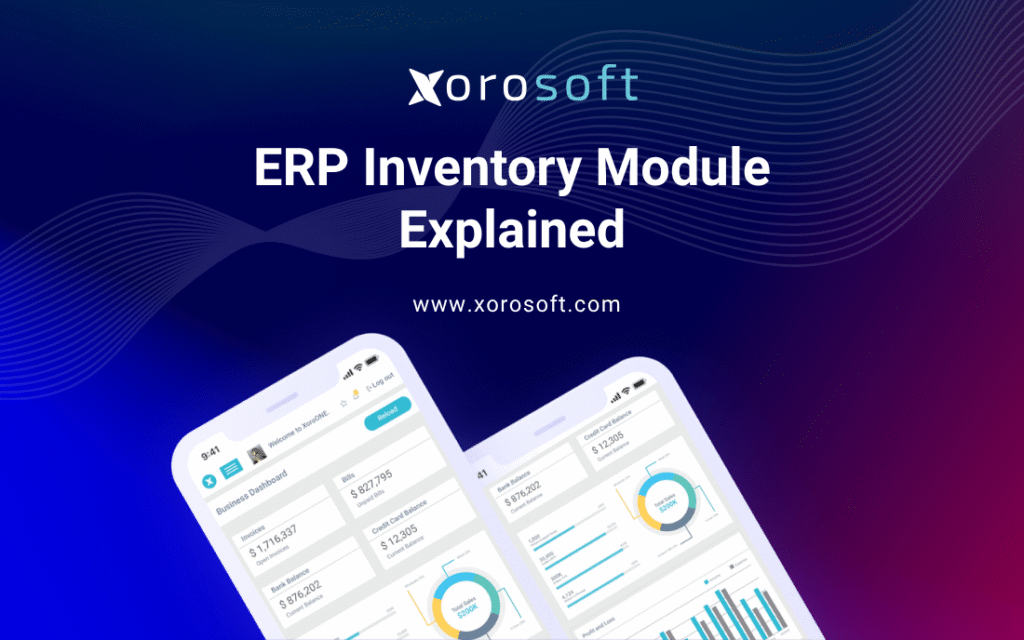
To optimise your business operations, it’s essential to understand the benefits of an ERP inventory module.
1. Why Growing Product Businesses Outgrow Basic Inventory Tracking
Inventory feels manageable when a business is small. A team may start with a few products, one stock location, basic accounting software, and a spreadsheet that tracks quantities manually. At that stage, checking shelves, updating numbers by hand, and making purchasing decisions from recent sales may feel practical.
However, that approach starts breaking down as the business grows. More products create more SKUs, while more sales channels create more orders. At the same time, additional warehouses create more transfers, and supplier relationships become harder to manage as lead times vary. As a result, inventory is no longer just a stock-counting task. It becomes a business-wide operational challenge.
This is usually when teams start asking harder questions. How much stock do we actually have? Which warehouse has it? Is that stock available to sell, or is it already committed to another order? What inventory is incoming from suppliers? Which products should purchasing reorder this week? Most importantly, why does accounting show a different inventory value than operations?
These questions become difficult to answer when inventory data is spread across spreadsheets, accounting software, ecommerce platforms, warehouse tools, and manual reports. Each system may hold part of the truth. However, no single system gives the full operational picture.
An ERP inventory module helps solve that problem by managing inventory as part of a connected business system. Instead of treating stock as a separate list of items, it connects inventory with purchasing, warehouse management, sales orders, ecommerce, manufacturing, reporting, and accounting.
For inventory-driven companies, this is the difference between simply tracking stock and actually controlling inventory across the business.
2. What an ERP Inventory Module Actually Does
An ERP inventory module is the part of an enterprise resource planning system that manages stock, SKUs, quantities, locations, inventory movement, purchasing, costing, valuation, and reporting. It helps a business understand what inventory it has, where that inventory is, what is available to sell, what is committed to orders, and what needs to be replenished.
In practical terms, the ERP inventory module acts as the inventory control center inside an ERP system.
It does more than count products. When goods are purchased, received, moved, sold, returned, counted, or adjusted, the ERP system records those changes and makes the information available to the right teams. Therefore, inventory becomes connected to the wider business instead of sitting in a separate spreadsheet or app.
2.1 A Practical Definition for Operations Teams
An ERP inventory module is software inside an ERP system that tracks and manages inventory across products, warehouses, sales channels, purchasing workflows, and accounting records. It helps businesses control stock availability, replenishment, inventory movement, valuation, reporting, and operational visibility from one connected system.
This matters because inventory is not just a warehouse issue. It affects sales promises, purchasing decisions, fulfillment speed, cash flow, and financial reporting. Consequently, growing product businesses need inventory data that is accurate, timely, and connected.
2.2 The Inventory Lifecycle Inside ERP
The inventory module in ERP helps manage the full inventory lifecycle. This can include product setup, purchase order receiving, warehouse transfers, stock adjustments, sales order allocation, barcode scanning, cycle counting, inventory valuation, and replenishment planning.
For example, when a purchase order arrives at the warehouse, the receiving team can record the stock received. The system can then update on-hand inventory, show incoming goods as received, support warehouse putaway, and help finance track inventory value.
A connected ERP platform such as XoroERP is designed to bring these workflows together so inventory, purchasing, warehouse, ecommerce, and accounting teams are not working in separate systems.
2.3 Why Inventory Data Needs to Connect Across Teams
Inventory affects almost every part of a product business. Sales teams need to know what is available, while purchasing teams need to know what to reorder. Meanwhile, warehouse teams need to know what to receive, pick, pack, and transfer. Finance teams also need accurate inventory valuation, and leadership needs reliable reporting.
Because every team depends on inventory data in a different way, a strong ERP inventory management module connects these areas so teams are not working from separate versions of the truth.
3. Why Inventory Control Becomes a Business-Wide Issue
ERP inventory management matters because inventory mistakes rarely stay inside the warehouse. A wrong stock number can lead to overselling, late orders, rushed purchasing, inaccurate financial reporting, or poor customer experience.
If inventory is overstated, the business may sell products it cannot fulfill. On the other hand, if inventory is understated, the team may reorder too much or miss sales opportunities. In addition, if transfers are not recorded properly, one warehouse may run out while another warehouse has excess stock.
3.1 Inventory Accuracy
Inventory accuracy means the system inventory matches the physical inventory. Without accuracy, teams waste time checking shelves, correcting orders, and explaining discrepancies.
An ERP inventory module helps improve accuracy by recording inventory activity as it happens. Receiving, transfers, adjustments, picking, packing, shipping, returns, and cycle counts can all update the same system. As a result, the business can make decisions using cleaner data.
3.2 Real-Time Stock Visibility
Real-time stock visibility helps teams see what is on hand, what is available, what is committed, what is incoming, and what is backordered. This is especially important for businesses selling through Shopify, Amazon, wholesale, retail, and EDI channels.
With better visibility, teams can reduce overselling, fulfillment delays, and last-minute inventory surprises. In addition, customer service teams can respond faster because they do not need to manually check multiple systems.
3.3 Better Purchasing Decisions
Purchasing should not depend only on guesswork or outdated spreadsheets. A good ERP inventory management system helps purchasing teams review reorder points, supplier lead times, sales velocity, demand patterns, open purchase orders, and current stock.
As a result, purchasing becomes more planned and less reactive. Instead of buying only when a product is already out of stock, teams can plan ahead based on inventory data and supplier timelines.
3.4 Faster Warehouse Operations
Warehouse teams need clear workflows. They need to know what arrived, where it should go, what needs to be picked, and which orders should be prioritized.
ERP inventory tools can support receiving, putaway, bin locations, barcode scanning, warehouse transfers, picking, packing, returns, and cycle counting. For companies that need deeper warehouse execution, a dedicated system like XoroWMS can support warehouse workflows alongside broader ERP inventory control.
3.5 Cleaner Accounting and Inventory Valuation
Inventory is not only an operational asset. It is also a financial asset. Therefore, if inventory counts, costs, or valuation are wrong, financial reports can become unreliable.
An ERP inventory module helps connect inventory movement with accounting activity such as cost of goods sold, landed cost, inventory valuation, and month-end reconciliation. This gives finance teams a stronger foundation for reporting and decision-making.
4. How Inventory Moves Through an ERP System
An ERP inventory module works by creating a connected flow of inventory data across products, warehouses, orders, purchases, manufacturing, and accounting.
Instead of updating inventory manually in different systems, the ERP becomes the central system where inventory activity is recorded and shared. Because of this, teams can see how each movement affects availability, purchasing, fulfillment, and financial records.
4.1 Product and SKU Setup
The process begins with product and SKU setup. This includes item names, SKU numbers, product categories, variants, units of measure, barcodes, suppliers, reorder points, costing rules, and warehouse settings.
For apparel, this may include size, color, style, and season. In food businesses, the setup may include lot numbers and expiration dates. For manufacturers, it may include raw materials, components, and finished goods.
Clean product setup is important because poor item data creates problems later. If SKUs, units of measure, or costing rules are inconsistent, inventory reports become harder to trust.
4.2 Inventory Receiving
When goods arrive, the receiving team records the quantity received against a purchase order. After that, the ERP inventory module updates stock levels and shows the items as received.
Depending on the business, received stock may go through inspection, quality control, bin assignment, or putaway before becoming available for sale. This helps teams understand not just what was ordered, but what actually arrived.
4.3 Stock Movement and Warehouse Transfers
Inventory often moves inside and between locations. It may move from receiving to storage, from one bin to another, from one warehouse to another, or from a warehouse to a 3PL.
The ERP system tracks these movements so teams know where inventory actually sits. This is especially important for businesses with multiple warehouses or fulfillment centers. Without accurate transfer tracking, teams may think stock is available in one location when it is actually in transit or stored somewhere else.
4.4 Sales Order Allocation
When a sales order is created, the system can allocate stock based on availability, warehouse rules, customer priority, or fulfillment logic.
This matters because inventory may be physically on hand but already committed to another order. Allocation helps prevent teams from promising the same product twice.
For example, a wholesale customer may place a large order that reserves stock. At the same time, ecommerce orders may continue coming in. A connected inventory system helps determine what is truly available to sell.
4.5 Replenishment and Purchasing
The system can help purchasing teams decide what to buy and when to buy it. It may use reorder points, minimum stock levels, supplier lead times, open sales orders, demand forecasts, and historical sales data.
This helps reduce both stockouts and overstock. The goal is not simply to buy more inventory. Instead, the goal is to buy the right inventory at the right time.
4.6 Reporting, Forecasting, and Accounting Updates
Finally, the ERP system turns inventory activity into useful reports. Leaders can review stock levels, aging inventory, sell-through, margins, purchasing needs, warehouse performance, inventory value, and demand trends.
Because the inventory module connects with accounting, finance teams can work from cleaner operational data. In turn, leadership can make decisions based on real inventory movement rather than delayed manual reports.
5. Core Features of an ERP Inventory Management Module
A strong ERP inventory management module usually includes real-time inventory tracking, multi-warehouse control, purchase order management, demand forecasting, barcode scanning, lot and serial tracking, inventory valuation, ecommerce sync, and reporting dashboards.
| Feature | What It Helps With |
|---|---|
| Real-time inventory tracking | Accurate stock visibility |
| Multi-warehouse management | Location-level control |
| Purchase order management | Better replenishment planning |
| Demand forecasting | Smarter buying decisions |
| Barcode scanning | Faster warehouse execution |
| Lot and serial tracking | Traceability |
| Inventory valuation | Cleaner accounting |
| Ecommerce sync | Better channel accuracy |
| Reporting dashboards | Better operational decisions |
5.1 Real-Time Inventory Tracking
Real-time inventory tracking shows inventory changes as they happen. This includes goods received, stock transferred, items picked, orders shipped, returns processed, and adjustments made.
5.1.1 On-Hand Inventory
On-hand inventory is the total quantity physically recorded in the system. It shows what the business has in stock before considering commitments, holds, or reservations.
5.1.2 Available-to-Sell Inventory
Available-to-sell inventory is the quantity available after committed orders, holds, and reservations are considered. Because it reflects what can actually be sold, this number is often more useful than total on-hand stock.
5.1.3 Committed Inventory
Committed inventory is stock already assigned to open orders. This prevents the same inventory from being promised to multiple customers.
5.1.4 Incoming Inventory
Incoming inventory is stock expected from open purchase orders or transfers. As a result, purchasing, sales, and customer service teams can better understand future availability.
5.2 Multi-Warehouse Inventory Management
Multi-warehouse inventory management helps businesses track stock across warehouses, stores, 3PLs, distribution centers, and production locations.
This is useful when a company needs to transfer inventory, route orders, allocate stock by channel, or fulfill from the best location. It also helps leaders understand whether the business has an inventory shortage overall or only a location-level imbalance.
5.3 Purchase Order Management
Inventory and purchasing should work together. If purchasing teams do not trust inventory data, they may overbuy, underbuy, or depend on manual spreadsheets.
An ERP purchasing workflow can connect purchase orders with inventory levels, supplier lead times, demand forecasts, and reorder rules. Consequently, purchasing teams gain better visibility before they commit cash to more stock.
5.4 Demand Forecasting and Replenishment
Forecasting helps businesses plan inventory based on demand patterns, seasonality, historical sales, open orders, and supplier timelines.
For example, a sporting goods brand may need to prepare for seasonal spikes. A furniture business may need to plan around long supplier lead times. Similarly, an apparel brand may need to forecast by size, color, and style.
Good forecasting does not mean every prediction will be perfect. However, it gives teams a better starting point than manual guesswork.
5.5 Barcode Scanning and Cycle Counting
Barcode scanning helps reduce manual entry and improve warehouse accuracy. Teams can scan items during receiving, putaway, picking, packing, transfers, and counts.
Cycle counting allows businesses to count smaller sections of inventory regularly instead of shutting down the warehouse for a full physical count. As a result, inventory accuracy can be maintained throughout the year.
5.6 Lot, Batch, and Serial Number Tracking
Lot, batch, and serial tracking are important for businesses that need traceability. Food, beverage, electronics, automotive parts, and warranty-based products often require stronger tracking.
Lot tracking follows groups of products, while serial tracking follows individual units. These features help with recalls, warranty claims, compliance, and quality control.
5.7 Inventory Valuation and Cost Tracking
Inventory valuation helps finance teams understand the financial value of stock. This may involve average cost, FIFO, landed cost, standard cost, or other costing methods.
A connected ERP inventory system helps accounting teams avoid manual reconciliation between inventory software and financial records. Moreover, it gives finance teams better visibility into how inventory movement affects cost of goods sold and profitability.
5.8 Ecommerce and Marketplace Inventory Sync
Ecommerce inventory sync is important for Shopify, Amazon, wholesale portals, retail stores, and EDI channels. If each channel shows different stock numbers, the business risks overselling or underselling.
For Shopify merchants, the Xorosoft ERP app on the Shopify App Store is a relevant example of how ERP can support ecommerce inventory, order, and operational workflows behind the storefront.
5.9 Reporting and Operational Dashboards
Reporting turns inventory activity into better decisions. Useful reports include inventory value, aging inventory, stockout risk, reorder suggestions, warehouse performance, sales velocity, margin by SKU, and inventory by location.
This is where cloud ERP platforms such as XoroONE become relevant for inventory-driven businesses that need inventory, purchasing, warehouse, accounting, ecommerce, and reporting workflows in one connected operating system.
6. ERP Inventory Module vs Standalone Inventory Software
Standalone inventory software can work well for smaller companies that mainly need stock tracking. However, as operations become more complex, a standalone tool may not be enough.
| Area | Standalone Inventory Software | ERP Inventory Module |
| Main purpose | Tracks inventory | Connects inventory with operations and finance |
| Purchasing | Often basic | Usually connected to demand and suppliers |
| Accounting | Usually separate | Built into broader ERP workflows |
| Warehouse operations | May be limited | Often connected to receiving, picking, transfers, and counts |
| Reporting | Inventory-focused | Cross-functional reporting |
| Scalability | Good for simpler operations | Better for growing complexity |
6.1 When Standalone Inventory Software Works
Standalone inventory software may work when the business has a small SKU count, one warehouse, simple purchasing, and limited accounting complexity.
It can be a good step up from spreadsheets for businesses that need basic inventory visibility but are not ready for a full ERP system.
6.2 When Standalone Inventory Software Becomes Limiting
Standalone inventory software becomes limiting when inventory data must be reconciled with QuickBooks, spreadsheets, warehouse apps, ecommerce platforms, EDI systems, and purchasing sheets.
At that point, the problem is not just inventory tracking. Instead, the real issue is disconnected operations.
6.3 Why ERP Inventory Management Is Broader
ERP inventory management is broader because it connects inventory with purchasing, finance, order management, warehouse workflows, manufacturing, reporting, and sales channels.
That broader connection is the reason many growing companies eventually compare inventory-only tools with full ERP systems. In many cases, the business does not need another app; it needs a stronger operating system.
7. ERP Inventory Module vs Warehouse Management System
An ERP inventory module and a warehouse management system are related, but they are not always the same thing.
A WMS usually focuses on warehouse execution. It helps teams receive, put away, pick, pack, scan, count, and move goods inside the warehouse.
By contrast, an ERP inventory module focuses on broader inventory control. It connects stock data with purchasing, sales orders, accounting, reporting, forecasting, and operations.
| Area | ERP Inventory Module | Warehouse Management System |
| Main focus | Inventory control and business visibility | Warehouse execution |
| Purchasing | Strong connection | Usually limited |
| Accounting | Connected | Usually not the main focus |
| Picking and packing | May be included | Core function |
| Barcode scanning | Often included | Core function |
| Inventory valuation | Usually included | Usually limited |
| Best fit | Business-wide inventory management | Detailed warehouse execution |
7.1 What a WMS Usually Handles
A WMS is designed to improve warehouse execution. It commonly supports receiving, putaway, bin management, barcode scanning, picking, packing, shipping, cycle counting, and warehouse labor workflows.
7.2 What the ERP Inventory Module Handles
The ERP inventory module handles inventory control at the business level. It helps with stock availability, replenishment, purchasing, costing, accounting integration, reporting, order allocation, and operational visibility.
7.3 When Businesses Need Both ERP and WMS Capabilities
Businesses with complex warehouses may need both ERP and WMS capabilities. Some ERP platforms include warehouse functionality, while others integrate with a separate WMS.
For a growing ecommerce or wholesale business, the key question is whether the company needs only warehouse execution or a connected system for inventory, purchasing, accounting, and reporting. In many cases, the answer depends on warehouse complexity, order volume, and the number of systems already in use.
8. Operational Problems an Inventory Control Module Helps Solve
The real value of an ERP inventory module becomes clear when you look at the problems it helps reduce.
| Business Problem | Common Cause | How ERP Helps |
| Inventory discrepancies | Manual updates and disconnected systems | Centralizes inventory movements |
| Stockouts | Poor forecasting and late purchasing | Improves reorder planning |
| Overstock | Overbuying and weak demand visibility | Supports demand planning |
| Spreadsheet purchasing | Manual buying workflows | Connects purchasing with live inventory |
| Multi-warehouse confusion | No location-level visibility | Tracks stock by warehouse and bin |
| Month-end delays | Inventory and accounting mismatch | Connects valuation and financial records |
| Poor reporting | Data spread across tools | Provides operational dashboards |
8.1 Inventory Discrepancies
Inventory discrepancies happen when system inventory does not match physical inventory. Common causes include missed receipts, incorrect picks, unrecorded transfers, returns, damages, or manual adjustments.
ERP helps by recording each movement in one connected system. As a result, teams spend less time investigating errors and more time improving operations.
8.2 Stockouts and Overstock
Stockouts hurt sales and customer trust. Overstock, meanwhile, ties up cash and warehouse space.
An ERP inventory management system helps teams plan purchasing based on current stock, incoming inventory, sales demand, and supplier lead times. Therefore, the business can reduce reactive buying and improve inventory balance.
8.3 Spreadsheet-Based Purchasing
Spreadsheets are flexible, but they are not ideal for live purchasing decisions. They can become outdated quickly and usually depend on manual updates.
When purchasing is connected to live inventory, the team can make better decisions with less manual work. In addition, purchasing managers can see whether demand is coming from ecommerce, wholesale, retail, or manufacturing requirements.
8.4 Multi-Warehouse Complexity
Multiple warehouses create complexity around transfers, availability, allocation, and fulfillment routing.
ERP inventory tools help teams see stock by location and manage movement between locations more accurately. This is especially useful when one warehouse has excess stock while another is at risk of running out.
8.5 Disconnected Inventory and Accounting
When inventory and accounting are separate, finance teams often need to reconcile data manually. This can slow month-end close and create uncertainty around inventory value.
A connected ERP system reduces this gap by linking operational activity with financial records. For this reason, Xorosoft is often considered by businesses that have outgrown QuickBooks, spreadsheets, inventory-only tools, and disconnected warehouse or ecommerce apps.
9. Industry-Specific Inventory Workflows That Benefit From ERP
Different industries use ERP inventory management in different ways. Even so, the core goal is the same: better visibility, control, and coordination.
Companies can also explore Xorosoft’s broader industry-specific ERP use cases to see how inventory, warehouse, purchasing, ecommerce, and accounting workflows apply across different product-based business models.
9.1 Apparel and Fashion
Apparel businesses manage size, color, style, seasonality, returns, and channel-specific demand. One product style may have dozens of variants.
ERP inventory management helps apparel teams track variants, manage replenishment, plan seasonal buys, and reduce overselling across ecommerce and wholesale channels. In addition, it supports better reporting by style, color, size, season, and location.
9.2 Wholesale Distribution
Wholesale distributors often deal with customer-specific pricing, bulk orders, EDI, allocation, supplier lead times, and warehouse fulfillment.
For wholesale businesses, inventory accuracy affects customer commitments. If stock is promised to one customer but allocated elsewhere, service issues follow.
Xorosoft can fit wholesale operations that need inventory, purchasing, EDI, forecasting, warehouse workflows, and accounting connected in one system.
9.3 Furniture
Furniture businesses often manage large SKUs, long lead times, container shipments, landed costs, warehouse space constraints, and special orders.
ERP inventory control helps furniture teams understand incoming stock, available inventory, supplier timelines, warehouse capacity, and inventory value. Moreover, it helps purchasing teams plan around long replenishment cycles.
9.4 Sporting Goods
Sporting goods companies often experience seasonal demand, product bundles, kits, and demand spikes around specific sports seasons.
ERP forecasting and replenishment tools can help these businesses prepare before demand arrives instead of reacting after stock runs low. As a result, teams can plan inventory around seasons, campaigns, and channel demand.
9.5 Food and Beverage
Food and beverage companies may need lot tracking, expiration tracking, traceability, and batch control.
An ERP inventory module helps teams manage freshness, recalls, compliance needs, warehouse rotation, and batch-level visibility. Because products may have expiration dates, inventory accuracy is closely tied to quality and customer safety.
9.6 Manufacturing
Manufacturers need inventory visibility across raw materials, components, work-in-progress, and finished goods.
ERP inventory management can connect BOMs, work orders, purchasing, production planning, and material requirements. For inventory-driven manufacturers, Xorosoft can support workflows around BOMs, work orders, purchasing, warehouse management, forecasting, and accounting.
9.7 Ecommerce, Shopify, and Amazon Sellers
Ecommerce businesses often sell through Shopify, Amazon, wholesale, retail, and other channels at the same time. This creates inventory sync challenges.
If Shopify shows one number, Amazon shows another, and the warehouse has a third number, the team loses control. Therefore, ecommerce operators need a reliable backend system that keeps inventory, orders, fulfillment, and accounting aligned.
Xorosoft is especially relevant for Shopify merchants and omnichannel sellers that need the operational system behind the storefront, including inventory, purchasing, warehouse management, accounting, Amazon, EDI, and reporting.
10. Signs Your Business Is Ready for an ERP Inventory Module
A business should consider upgrading when inventory complexity starts creating operational risk.
10.1 ERP Readiness Checklist
Consider ERP inventory management if:
- Inventory numbers are often wrong.
- Purchasing depends on spreadsheets.
- Stockouts happen even when inventory was expected.
- Overstock is tying up cash.
- The business manages multiple warehouses.
- Shopify, Amazon, wholesale, and accounting do not stay aligned.
- Month-end close takes too long because of inventory reconciliation.
- Warehouse teams rely on manual workarounds.
- Leadership cannot get reliable real-time reporting.
10.2 QuickBooks Inventory No Longer Supports the Operation
QuickBooks can be useful for accounting, but inventory-heavy businesses often need more advanced inventory, purchasing, warehouse, and forecasting functionality as they scale.
When QuickBooks becomes one part of a larger patchwork of spreadsheets and apps, ERP may be worth evaluating. At that stage, the business usually needs more than accounting software with basic inventory features.
10.3 Spreadsheets Are Running Critical Inventory Decisions
Spreadsheets are often the first sign of process gaps. If teams use spreadsheets for purchasing, stock planning, warehouse transfers, or reporting, it usually means the system of record is not strong enough.
Over time, spreadsheet-based workflows become harder to control. They may work for one person, but they rarely scale across operations, purchasing, warehouse, finance, and ecommerce teams.
10.4 Multiple Warehouses Are Creating Visibility Gaps
Multiple warehouses require location-level visibility. Teams need to know what is available in each location, what is in transit, and what is committed.
Without a central system, transfers and availability can quickly become confusing. As a result, one warehouse may run out while another has excess stock.
10.5 Sales Channels Are No Longer Staying Aligned
Shopify, Amazon, wholesale, retail, and EDI channels all create inventory demand. ERP helps centralize that demand into one operational view.
This becomes especially important when a business wants to reduce overselling, improve fulfillment routing, and keep accounting aligned with sales activity.
10.6 Inventory and Accounting No Longer Match
If finance and operations disagree about inventory value, the business has a serious visibility problem. ERP helps connect inventory activity with financial records.
Because inventory affects margins, cost of goods sold, and working capital, accounting accuracy depends on operational accuracy.
11. Who Needs ERP Inventory Management Most
An ERP inventory module is most useful for businesses that sell physical products and manage growing operational complexity.
11.1 Best-Fit Businesses
Best-fit businesses often have multiple warehouses, multiple sales channels, complex purchasing, wholesale customers, ecommerce operations, manufacturing workflows, high SKU counts, inventory valuation challenges, or reporting gaps.
These businesses need more than a basic stock tracker. They need an operational system that shows how inventory affects sales, fulfillment, purchasing, accounting, and planning.
11.2 Teams That Benefit Most
Operations, purchasing, warehouse, finance, ecommerce, and leadership teams all benefit from better inventory visibility.
Operations teams gain control, while purchasing teams plan better. Warehouse teams execute faster, and finance teams reconcile more easily. Meanwhile, leaders make decisions with cleaner data.
11.3 Business Models That Commonly Need ERP Inventory Control
Common business models include apparel brands, wholesale distributors, furniture companies, sporting goods businesses, food and beverage brands, manufacturers, ecommerce sellers, automotive parts distributors, and industrial distributors.
These companies often manage physical products across multiple workflows. Therefore, inventory control becomes central to customer experience, cash flow, and growth.
11.4 Businesses That May Not Need ERP Yet
A very small business with one location, few SKUs, simple purchasing, and low order volume may not need ERP yet. Likewise, a service-only business with no physical inventory usually does not need an inventory module.
ERP becomes more valuable when inventory touches many teams, locations, channels, and financial decisions.
12. How to Choose the Right ERP Inventory Management Module
Choosing the right ERP inventory management module requires understanding your workflows before comparing software.
12.1 Inventory Visibility Requirements
Start by defining what inventory visibility means for your business. Do you need to track on-hand, available, committed, incoming, reserved, damaged, backordered, or in-transit inventory?
The more complex your operation is, the more important real-time visibility becomes. Therefore, the system should match how your team actually uses inventory data.
12.2 Warehouse and Fulfillment Requirements
Map your warehouse workflows. Include receiving, putaway, bin management, picking, packing, shipping, returns, transfers, barcode scanning, and cycle counting.
A system that looks strong in a demo may still fail if it does not match your warehouse reality. For that reason, warehouse users should be involved early in the evaluation process.
12.3 Purchasing and Forecasting Requirements
Review how your team decides what to buy. Consider reorder points, supplier lead times, minimum order quantities, seasonality, demand planning, purchase approvals, and supplier performance.
A strong inventory module should help purchasing become proactive. In addition, it should reduce the need for manual buying sheets and last-minute stock checks.
12.4 Accounting Integration Requirements
Inventory affects financial reporting. Make sure the system can support inventory valuation, landed cost, cost of goods sold, reconciliation, and reporting.
If inventory and accounting do not connect properly, finance teams may still need manual workarounds. As a result, the business may not get the full value of ERP.
12.5 Ecommerce, EDI, and Marketplace Requirements
If your business sells through Shopify, Amazon, wholesale, retail, or EDI, integration matters. The ERP should help inventory, orders, fulfillment, and accounting stay aligned.
This is one reason inventory-driven companies often evaluate Xorosoft when disconnected tools start slowing down operations. A connected ERP can help reduce the friction between ecommerce growth and backend complexity.
12.6 Implementation and Scalability Requirements
The right system should fit current workflows while supporting future growth. Review data migration, training, user roles, reporting, integrations, implementation support, and long-term scalability before making a decision.
In addition, consider what the business may need two or three years from now. A system that only solves today’s pain may become limiting as order volume, warehouses, and sales channels grow.
13. ERP Inventory Implementation Mistakes That Create Long-Term Problems
ERP inventory projects can struggle when businesses focus only on software and ignore process.
13.1 Migrating Bad Inventory Data
If old inventory data is inaccurate, moving it into a new ERP will not fix the problem. Clean SKU records, units of measure, suppliers, costs, barcodes, and warehouse locations before migration.
Otherwise, the new system may simply reproduce old problems in a more structured environment.
13.2 Ignoring Warehouse Workflows
The system must match how the warehouse actually works. Receiving, putaway, picking, packing, returns, transfers, and cycle counts should be mapped before implementation.
When warehouse workflows are ignored, users often create workarounds. Over time, those workarounds can weaken data accuracy and reduce system adoption.
13.3 Underestimating Purchasing Complexity
Purchasing is often more complex than it appears. Supplier lead times, minimum order quantities, seasonal demand, demand spikes, approval workflows, and vendor performance should be considered early.
Without this planning, purchasing teams may continue relying on spreadsheets even after the ERP goes live.
13.4 Treating ERP as Only an Accounting System
ERP is not only finance software. For inventory-driven businesses, the operational side matters just as much as the accounting side.
A good ERP project should include operations, warehouse, purchasing, ecommerce, manufacturing, and finance stakeholders. Otherwise, the system may support accounting but fail to improve daily operations.
13.5 Choosing Software Without Considering Future Growth
A system may work today but become limiting tomorrow. Businesses should consider future warehouses, channels, SKUs, manufacturing needs, EDI requirements, and reporting requirements.
Therefore, the evaluation process should focus on both current pain points and future operating complexity.
14. Real-World ERP Inventory Module Examples
14.1 Shopify Brand With Multiple Warehouses
A Shopify brand sells through its online store, Amazon, and wholesale accounts. It stores inventory in two warehouses and one 3PL.
Without ERP, inventory availability may be different across systems. With ERP inventory management, orders, stock, transfers, purchasing, and accounting can work from one connected view.
14.2 Wholesale Distributor Using EDI
A wholesale distributor receives EDI orders from retail partners. It needs to allocate stock, manage customer-specific requirements, and replenish inventory before demand spikes.
ERP helps centralize inventory, purchasing, fulfillment, and reporting so customer commitments are easier to manage. In addition, it gives teams better control over allocations and replenishment.
14.3 Manufacturer Managing BOMs and Work Orders
A manufacturer needs raw materials, components, work orders, and finished goods to stay aligned.
ERP inventory tools help the team understand material availability before production starts. This reduces the risk of production delays caused by missing components.
14.4 Apparel Brand Managing Sizes and Colors
An apparel brand may have one product style with many sizes and colors. Some variants sell quickly, while others move slowly.
ERP reporting helps the team analyze demand by variant and plan purchasing more accurately. As a result, the business can reduce dead stock while keeping high-demand variants available.
15. ERP Inventory Module vs Inventory App: Practical Comparison
| Question | Inventory App | ERP Inventory Module |
| Can it track stock? | Yes | Yes |
| Can it connect purchasing and accounting? | Sometimes | Usually yes |
| Can it manage complex warehouse operations? | Sometimes | Often yes |
| Can it support multi-channel operations? | Sometimes | Usually stronger |
| Can it support financial visibility? | Limited | Stronger |
| Best for | Simpler inventory needs | Growing inventory-driven businesses |
The main difference is scope. An inventory app may track stock, while an ERP inventory module helps coordinate the business around stock.
For a small business, an inventory app may be enough. However, for a growing product company, ERP becomes more useful when inventory decisions affect purchasing, warehouse operations, ecommerce, finance, and leadership reporting.
Businesses comparing larger ERP options often review alternatives before making a decision. For example, companies evaluating NetSuite can review Xorosoft vs NetSuite to understand how different ERP systems approach inventory-driven operations.
16. Where Xorosoft Fits in the ERP Inventory Conversation
Xorosoft fits into this conversation as a cloud ERP platform built for inventory-driven businesses that need inventory management, accounting, purchasing, warehouse management, manufacturing, forecasting, reporting, and ecommerce operations connected in one system.
It is most relevant for companies that sell physical products, manage multiple warehouses, use Shopify or Amazon, sell wholesale, work with EDI, manufacture products, or have outgrown QuickBooks and spreadsheets.
The goal is not to choose ERP because it sounds advanced. Instead, the goal is to choose ERP when the business needs one operational system for inventory, finance, purchasing, fulfillment, and reporting.
For businesses comparing ERP options such as NetSuite, Acumatica, Cin7, Brightpearl, Fishbowl, Sage, and Business Central, Xorosoft may be worth evaluating as a modern ERP alternative for inventory-driven operations.
17. FAQs About ERP Inventory Modules
17.1 What is an ERP inventory module?
An ERP inventory module is the part of an ERP system that manages stock, SKUs, locations, inventory movement, purchasing, valuation, and reporting. It helps businesses track what inventory they have, where it is, what is available to sell, and what needs to be replenished. It is especially useful when inventory affects sales, purchasing, warehouse operations, accounting, and fulfillment.
17.2 What does the inventory module in ERP do?
The inventory module in ERP tracks receiving, stock movement, warehouse transfers, sales order allocation, inventory counts, purchase planning, valuation, and reporting. It also connects inventory activity with sales, warehouse, purchasing, accounting, and sometimes manufacturing workflows. As a result, teams can work from one shared inventory view instead of separate spreadsheets or disconnected systems.
17.3 How does ERP inventory management work?
ERP inventory management works by recording inventory activity in one connected system. When goods are received, moved, sold, counted, returned, or shipped, the system updates inventory records. In addition, it can support purchasing, warehouse workflows, reporting, forecasting, and accounting updates. This creates better visibility across the business.
17.4 What are the main features of an ERP inventory module?
Common features include real-time inventory tracking, multi-warehouse management, purchase order management, demand forecasting, barcode scanning, cycle counting, lot tracking, serial tracking, inventory valuation, ecommerce sync, and reporting dashboards. The best features depend on the business model, sales channels, warehouse setup, and accounting needs.
17.5 Is ERP inventory software different from standalone inventory software?
Yes, ERP inventory software is different from standalone inventory software. Standalone inventory software usually focuses on stock tracking, while ERP inventory software connects inventory with broader business functions such as purchasing, warehouse operations, accounting, order management, manufacturing, reporting, and ecommerce channels.
17.6 Is an ERP inventory module the same as a WMS?
No, an ERP inventory module is not the same as a WMS. A warehouse management system focuses mainly on warehouse execution, such as receiving, picking, packing, scanning, and bin management. By comparison, an ERP inventory module focuses on broader inventory control, purchasing, costing, availability, reporting, and financial visibility.
17.7 Can ERP track inventory in real time?
Many ERP systems can track inventory activity in real time or near real time. This helps businesses see on-hand inventory, available inventory, committed stock, incoming stock, warehouse transfers, and inventory adjustments more accurately. Real-time visibility is especially important for multi-channel and multi-warehouse businesses.
17.8 Can ERP manage multiple warehouses?
Multi-warehouse inventory management is one of the most important ERP inventory features. It helps businesses track inventory by warehouse, location, bin, store, 3PL, or fulfillment center. Consequently, teams can manage transfers, allocation, fulfillment routing, and warehouse-level reporting more effectively.
17.9 Can ERP help prevent stockouts?
ERP can help reduce stockouts by improving inventory visibility, reorder planning, supplier lead time tracking, demand forecasting, and purchasing workflows. Although it cannot eliminate every stockout, it helps teams plan earlier, reorder more accurately, and reduce last-minute purchasing decisions.
17.10 Can ERP reduce overstock?
A well-configured ERP system can reduce overstock by helping teams understand sales velocity, demand patterns, slow-moving SKUs, incoming inventory, and purchasing needs. Better data helps businesses avoid buying too much of the wrong inventory and frees up cash that may otherwise be tied up in excess stock.
17.11 Can ERP automate purchasing?
Many ERP systems support purchasing automation through reorder points, suggested purchase orders, supplier records, approval workflows, and demand-based replenishment. Because purchasing teams can work from live inventory and demand data, they can reduce manual spreadsheet-based buying.
17.12 Can ERP support demand forecasting?
ERP demand forecasting can use sales history, current demand, seasonality, supplier lead times, and inventory levels to support replenishment planning. This is especially useful for seasonal, multi-channel, fast-growing, or inventory-heavy businesses that need to plan purchases before demand arrives.
17.13 Can ERP connect inventory and accounting?
One major benefit of ERP is that inventory and accounting can work together. Inventory receipts, shipments, cost changes, landed costs, valuation, and cost of goods sold can connect with financial records. As a result, businesses can reduce manual reconciliation and improve financial visibility.
17.14 Can ERP integrate with Shopify?
Many ERP systems integrate with Shopify to sync orders, products, inventory, fulfillment updates, and accounting data. This is useful for Shopify merchants that need stronger backend inventory and operational control as they grow beyond basic ecommerce workflows.
17.15 Can ERP integrate with Amazon?
ERP systems can integrate with Amazon to support order flow, inventory visibility, fulfillment coordination, and accounting workflows. This helps sellers manage marketplace activity alongside other sales channels such as Shopify, wholesale, retail, and EDI.
17.16 Can ERP support EDI?
ERP can support EDI workflows for wholesale and retail trading partners. This is important for businesses that receive electronic purchase orders, send invoices, manage shipping notices, and fulfill retailer requirements. As wholesale complexity increases, EDI support often becomes more important.
17.17 Can ERP manage lot and serial tracking?
ERP systems can support lot and serial tracking for traceability. Lot tracking follows groups of products, while serial tracking follows individual units. These features are important for food, beverage, electronics, automotive, warranty-based products, and industries with traceability requirements.
17.18 Can ERP support barcode scanning?
ERP inventory workflows often support barcode scanning for receiving, putaway, picking, packing, transfers, and cycle counts. Barcode scanning helps reduce manual entry, improve warehouse accuracy, and make inventory updates faster.
17.19 Who needs an ERP inventory module?
Businesses that sell physical products, manage multiple warehouses, use multiple sales channels, have complex purchasing, need better accounting integration, or struggle with inventory visibility are strong candidates for ERP inventory management. It is especially useful for inventory-driven businesses that have outgrown spreadsheets and basic tools.
17.20 Who does not need an ERP inventory module?
Very small businesses with simple inventory, one location, few SKUs, and low order volume may not need ERP yet. Similarly, service-only businesses with no physical inventory usually do not need an inventory module. ERP becomes more useful when inventory creates operational complexity.
17.21 When should a business upgrade to ERP inventory management?
A business should consider upgrading when spreadsheets, QuickBooks, inventory apps, warehouse tools, and ecommerce systems no longer stay aligned. Common signs include inventory errors, stockouts, overstock, multi-warehouse complexity, manual purchasing, and slow reporting.
17.22 What problems does an ERP inventory module solve?
An ERP inventory module helps solve inventory discrepancies, stockouts, overstock, manual purchasing, warehouse confusion, disconnected ecommerce inventory, poor reporting, delayed reconciliation, and lack of visibility across operations. In practice, it helps teams manage inventory as part of a connected business workflow.
17.23 What are common ERP inventory implementation mistakes?
Common mistakes include migrating bad data, ignoring warehouse workflows, underestimating purchasing complexity, failing to train users, choosing software without considering future growth, and treating ERP as only an accounting system. A successful project should include operations, finance, warehouse, ecommerce, and purchasing teams.
17.24 How does ERP improve warehouse efficiency?
ERP improves warehouse efficiency by supporting receiving, putaway, bin locations, picking, packing, transfers, barcode scanning, and cycle counting. It gives warehouse teams clearer workflows and better inventory visibility, which can reduce searching, manual updates, and fulfillment mistakes.
17.25 How does ERP help purchasing teams?
ERP helps purchasing teams by showing current stock, incoming inventory, sales demand, supplier lead times, reorder points, and suggested purchase quantities. As a result, teams can make better buying decisions, reduce emergency orders, and avoid overbuying slow-moving products.
17.26 How does ERP improve inventory reporting?
ERP improves reporting by centralizing inventory, purchasing, warehouse, accounting, ecommerce, and sales data. Leaders can view inventory value, stockout risk, aging inventory, warehouse performance, margin, sell-through, and replenishment needs from one system.
17.27 What industries use ERP inventory modules?
ERP inventory modules are used by apparel, wholesale distribution, furniture, sporting goods, food and beverage, manufacturing, ecommerce, automotive parts, consumer products, and industrial distribution businesses. Any company that sells, stores, moves, or manufactures physical products may benefit from stronger inventory control.
17.28 What should businesses look for in an ERP inventory module?
Businesses should look for real-time inventory visibility, multi-warehouse control, purchasing, forecasting, barcode scanning, valuation, accounting integration, ecommerce integrations, reporting, scalability, and implementation support. Above all, the right system should match current workflows while supporting future growth.
18. Turning Inventory Data Into Better Operational Decisions
An ERP inventory module is more than a digital stock list. It is the system that helps a growing product business understand inventory across warehouses, channels, purchasing workflows, fulfillment operations, manufacturing processes, and financial records.
For small businesses, spreadsheets and basic tools may work for a while. However, as SKUs, warehouses, sales channels, suppliers, and customer expectations grow, inventory becomes harder to manage manually.
The right ERP inventory management module helps teams improve accuracy, reduce manual work, plan purchasing, support warehouse operations, connect inventory with accounting, and make better decisions from real-time reporting.
For inventory-driven businesses evaluating cloud ERP, Xorosoft is one option to consider when the goal is to connect inventory management, accounting, purchasing, warehouse management, manufacturing, forecasting, ecommerce operations, and reporting in one platform.
18.1 Next Step: Evaluate Whether Your Inventory Operation Is Ready for ERP
If your team is managing inventory across Shopify, Amazon, wholesale, EDI, multiple warehouses, or manufacturing workflows, the next step is to evaluate whether your current systems can still support the business.
If disconnected tools are creating inventory errors, purchasing delays, warehouse confusion, or reporting gaps, you can contact Xorosoft to discuss whether a cloud ERP system is the right next step for your operation.
Recent Posts
-
 ERP Landed Cost Module vs Spreadsheet Calculations for Importers
 -
 How to Build an Open-to-Buy Plan for an Omnichannel Brand
 -
 Cold Storage WMS for Food and Beverage Distribution
 -
 ERP Buying Statistics 2026: Evaluation, Implementation, and Adoption Risks
 -
 How a Distributor Reduced B2B Order Exceptions Without Restricting Sales