If you’re looking for the Best ERP for Shopify merchants, this guide will help you discover the top solutions available.
1. Why Shopify Merchants Start Looking for ERP Software
The search for the best ERP for Shopify merchants usually begins when growth starts putting pressure on the back office. Shopify is excellent for launching products, managing online sales, taking payments, running promotions, and supporting the customer experience. However, once a merchant adds more SKUs, higher order volume, multiple warehouses, wholesale customers, Amazon, EDI, or manufacturing workflows, daily operations become harder to manage through Shopify alone.
At first, many Shopify merchants run the business with QuickBooks, spreadsheets, inventory apps, warehouse tools, and manual exports. That setup can work when the business is small. Over time, every new sales channel, supplier, warehouse, product line, and fulfillment rule creates another operational layer.
Eventually, teams start asking sharper questions every week. Warehouse teams may say the inventory count in Shopify no longer matches the shelves. Finance may explain why month-end adjustments keep growing. Purchasing may still depend on spreadsheets because supplier data lives somewhere else. Meanwhile, leadership may need several reports before it can understand the real state of the business.
That is when ERP becomes relevant. The goal is not to replace Shopify. Instead, the goal is to place a stronger operating system behind Shopify so inventory, accounting, purchasing, warehouse management, manufacturing, forecasting, and reporting work together.
1.1 Disconnected Systems Create Hidden Work
Disconnected systems create hidden work across the business. For example, a Shopify order may need to update inventory, trigger fulfillment, affect accounting, influence purchasing, and change reporting. When each step happens in a different tool, teams spend more time checking data than improving operations.
This becomes especially painful when order volume grows. A small inventory mismatch may not matter early on. Later, that same mismatch can lead to overselling, stockouts, delayed shipments, unhappy customers, and inaccurate financial reports. As a result, the business starts reacting to problems instead of preventing them.
Different teams may also trust different systems. Ecommerce may rely on Shopify, finance may depend on QuickBooks, warehouse staff may use count sheets, and purchasing may work from supplier spreadsheets. Because everyone sees a different version of the truth, decisions become slower and less reliable.
1.2 Back-Office Control Becomes Critical at Scale
Growing Shopify merchants do not only need more sales. They also need better control. Inventory accuracy, purchase planning, warehouse workflows, accounting reliability, and reporting visibility all become more important as the business scales.
Because of that, the best ERP for Shopify merchants should be evaluated as an operating system, not just another app. In practical terms, ERP should help the business manage daily work with more structure and fewer manual gaps.
This shift matters because ecommerce growth often hides operational weakness. Revenue can increase while margins become harder to understand. Order volume can rise while fulfillment teams struggle. New channels can expand sales while creating more inventory confusion. Therefore, back-office control becomes essential once the business moves beyond a simple Shopify setup.
1.3 More Apps Can Create More Data Gaps
Adding more apps can solve one problem while creating another. An inventory app may improve stock tracking but still leave accounting disconnected. A warehouse app may improve picking but still require manual purchase planning. Similarly, a forecasting spreadsheet may help buyers but fail to connect with actual stock commitments.
As a result, many Shopify merchants eventually need one system of record for operational data. Instead of pushing data through several separate tools, ERP helps centralize workflows so teams can make decisions from the same information.
More apps can also increase integration risk. When orders, inventory, purchasing, fulfillment, and accounting depend on several systems, one sync delay can affect the entire workflow. Therefore, the issue is not always the number of tools. The real issue is whether those tools create one reliable operating model.
2. How Shopify ERP Software Supports Commerce Growth
The best ERP for Shopify merchants connects the workflows that Shopify does not fully manage by itself. While Shopify remains the storefront and commerce engine, ERP becomes the back-office system for inventory, purchasing, accounting, warehouses, manufacturing, forecasting, reporting, and operational visibility. As a result, merchants can keep Shopify focused on selling while the ERP supports the work that happens after each order.
A good Shopify ERP system helps teams understand what is available, what is committed, what needs to be purchased, what is being received, what is being shipped, what inventory is worth, and how the business is performing financially. Therefore, ERP is not just a database. It becomes the operating layer behind growth.
This matters because ecommerce operations are connected. Sales affect inventory. Inventory affects purchasing. Supplier decisions affect cash flow. Warehouse execution affects customer experience. In addition, accounting depends on accurate operational data. If these workflows are managed separately, the business eventually loses clarity.
2.1 Commerce Stays Front-End, Operations Move Back-Office
Shopify should manage the customer-facing side of ecommerce. That includes the online store, checkout, promotions, product pages, payments, and customer experience. Because of this, Shopify remains central to selling.
Operational work belongs in the back office. Inventory control, purchase orders, supplier management, receiving, warehouse fulfillment, accounting, inventory costing, reporting, and planning all need deeper structure. As a result, ERP gives internal teams the control they need after the sale happens.
When both systems work together, Shopify merchants can scale sales without losing operational visibility. The storefront can stay focused on customer experience, while ERP supports the decisions that happen after an order is placed.
2.2 One Source of Truth Reduces Manual Reconciliation
A Shopify ERP system should reduce duplicate data entry and manual reconciliation. Instead of one team using Shopify, another using spreadsheets, another using QuickBooks, and another using a warehouse app, ERP gives the business one shared operational record.
This does not mean every workflow becomes automatic overnight. However, it does mean the business has a stronger foundation for accuracy, reporting, and accountability. In addition, teams can spend less time debating which report is correct and more time solving real business problems.
A single source of truth also improves decision-making. Purchasing teams can trust inventory data, while finance gets a clearer view of stock valuation. Warehouse staff can rely on accurate pick quantities, and leadership can use reporting with more confidence. Consequently, the business becomes more coordinated as it grows.
2.3 Daily Workflows Need to Work Together
A strong ERP should connect order management, inventory availability, purchasing, warehouse activity, accounting, forecasting, and reporting. That connection is what makes ERP different from a single-purpose inventory app.
For example, when a Shopify order is placed, the system should help allocate stock, update available inventory, support fulfillment, reflect financial impact, and inform future replenishment. Consequently, the business can manage each order as part of a larger operating model.
This connected workflow is especially important for merchants that sell through more than one channel. Shopify, Amazon, wholesale, retail, and EDI orders may all compete for the same inventory. Without ERP, teams may not know which orders should take priority or where inventory should be allocated.
3. When Shopify Merchants Need More Than Apps
Shopify merchants do not need ERP on day one. A simple store with a small catalog, one warehouse, basic accounting, and low order volume may be fine with Shopify, QuickBooks, and a few supporting apps.
However, ERP becomes important when operational complexity creates recurring problems. At that stage, another app may only add another place where data can break. Therefore, the question is not whether the merchant needs more software. The better question is whether the merchant needs a more connected operating model.
A growing merchant should look at the pattern of issues, not just one isolated problem. If inventory accuracy, purchasing, warehouse operations, accounting, and reporting all feel disconnected, ERP may be the next logical step.
3.1 Inventory Accuracy Breaks Across Locations
Inventory problems are often the first sign that a merchant needs ERP. Shopify may show available stock, while the warehouse shows a different number. Amazon may sell units that were already committed. Wholesale orders may reserve inventory outside the normal Shopify workflow.
When accuracy breaks, the impact spreads quickly. Customers may buy items that are not available. Purchasing may reorder too late. Warehouse staff may waste time searching for products. Meanwhile, finance may struggle with inventory valuation.
At that point, inventory accuracy becomes more than an operations issue. It becomes a customer experience, cash flow, and reporting issue. Therefore, Shopify inventory ERP becomes important when teams need one reliable view of stock across locations, statuses, and channels.
3.2 Finance Struggles to Reconcile Inventory Value
Accounting becomes more difficult when sales, refunds, purchase orders, receipts, adjustments, landed costs, and inventory movements live in separate systems. Finance teams then need manual exports and corrections to close the month.
A proper ERP system connects accounting with inventory operations. Therefore, cost of goods sold, inventory value, purchase activity, and financial reporting become easier to manage. In addition, the finance team gains better visibility into what is happening before the close begins.
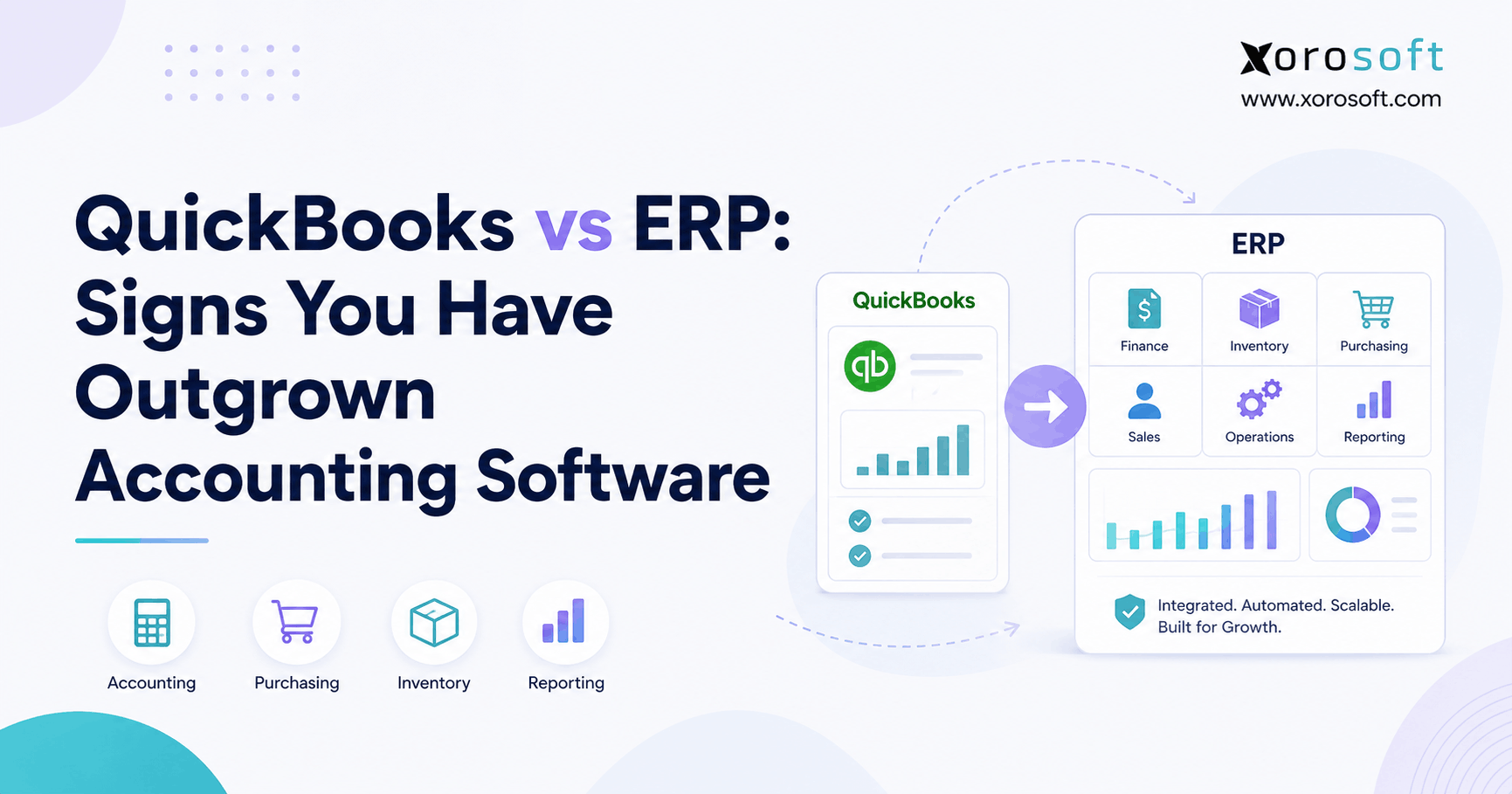
This is one reason many merchants outgrow QuickBooks plus apps. QuickBooks can remain useful for basic accounting, but complex inventory operations require a deeper connection between finance and the back office.
3.3 Purchasing Becomes Too Spreadsheet-Dependent
Many growing Shopify merchants rely on spreadsheet purchasing. Buyers check sales trends, supplier lead times, inventory reports, and open purchase orders manually. That process can work for a while, but it becomes risky as SKU count and order volume increase.
ERP helps purchasing teams make decisions based on current data instead of scattered files. For example, buyers can review sales velocity, open purchase orders, supplier lead times, committed stock, and current availability in one place. Consequently, purchasing becomes more structured and less reactive.
Better purchasing also protects cash flow. Overstock ties up working capital, while stockouts limit revenue. Because both problems are expensive, merchants need purchasing workflows that are connected to real demand.
3.4 Warehouse Teams Need More Structure
Warehouse complexity increases when merchants add more locations, more orders, more returns, more product types, or more fulfillment rules. Teams may need barcode scanning, bin locations, receiving workflows, transfer controls, and pick-pack-ship processes.
Without stronger systems, warehouse teams depend on manual workarounds. Over time, that creates delays, errors, and poor visibility. Therefore, ERP or connected warehouse management becomes important when fulfillment needs discipline and repeatability.
Warehouse structure also affects customer satisfaction. If teams cannot pick, pack, and ship accurately, ecommerce performance suffers even when the storefront is strong. As a result, warehouse management becomes a core part of ERP evaluation.
3.5 Multi-Channel Selling Creates Visibility Gaps
Shopify is often one channel in a larger business. Many merchants also sell through Amazon, wholesale, retail, marketplaces, or EDI relationships. Each channel adds order data, inventory commitments, pricing rules, and fulfillment expectations.
ERP becomes valuable when the business needs one view across all channels. Otherwise, teams may make decisions from incomplete information. As a result, inventory allocation, purchasing, and reporting become harder than they need to be.
This is especially true when wholesale and ecommerce orders compete for the same stock. Without a centralized system, teams may oversell one channel while under-serving another. Therefore, multi-channel merchants should evaluate ERP earlier than single-channel stores.
4. Best ERP for Shopify Merchants: Core Capabilities to Compare
The best ERP for Shopify merchants should not be chosen only by brand name. Operational fit matters more than software popularity. A Shopify apparel brand needs different workflows than a food distributor, furniture seller, sporting goods company, or manufacturer.
Still, most growing Shopify merchants should compare the same core capabilities before choosing a system. In addition, merchants should test those capabilities through real workflows rather than relying only on sales presentations.
A good ERP demo should not only show dashboards. It should show how a Shopify order moves through inventory allocation, warehouse fulfillment, accounting, purchasing, and reporting.
4.1 Real-Time Stock Visibility
Real-time stock visibility is one of the most important ERP requirements. A strong system should show what is on hand, what is available, what is committed, what is incoming, and where each item is located. With that visibility, teams can make better decisions across sales, purchasing, fulfillment, and finance.
This matters because Shopify inventory is not just a website number. It affects customer promises, purchasing, fulfillment, accounting, and cash flow. Therefore, stock data needs to be trusted across the business.
Real-time visibility is especially important when a merchant sells across Shopify, Amazon, wholesale, and retail. If each channel works from delayed data, overselling becomes more likely.
4.2 Centralized Order Management
Orders from Shopify should flow into ERP with customer details, products, quantities, discounts, taxes, payments, shipping information, refunds, and fulfillment status. If the merchant also sells through Amazon, wholesale, or EDI, those orders should be visible in the same operational system.
Centralized order management helps teams process orders consistently and avoid channel-level confusion. Moreover, it helps leadership understand demand across the business rather than only inside Shopify.
Exception handling matters as well. Backorders, partial shipments, returns, refunds, substitutions, and channel rules all need clear workflows. Therefore, merchants should evaluate how the ERP performs under real operating conditions.
4.3 Multi-Warehouse Inventory Control
Multi-warehouse merchants need visibility by location. Stock should be tracked across warehouses, 3PLs, retail locations, and transfer points. The ERP should help teams decide where to fulfill orders, when to transfer units, and how to prevent location-level errors.
This is especially important for merchants that want faster fulfillment without overstocking every warehouse. In addition, location-level accuracy helps purchasing teams avoid buying inventory that already exists somewhere else in the network.
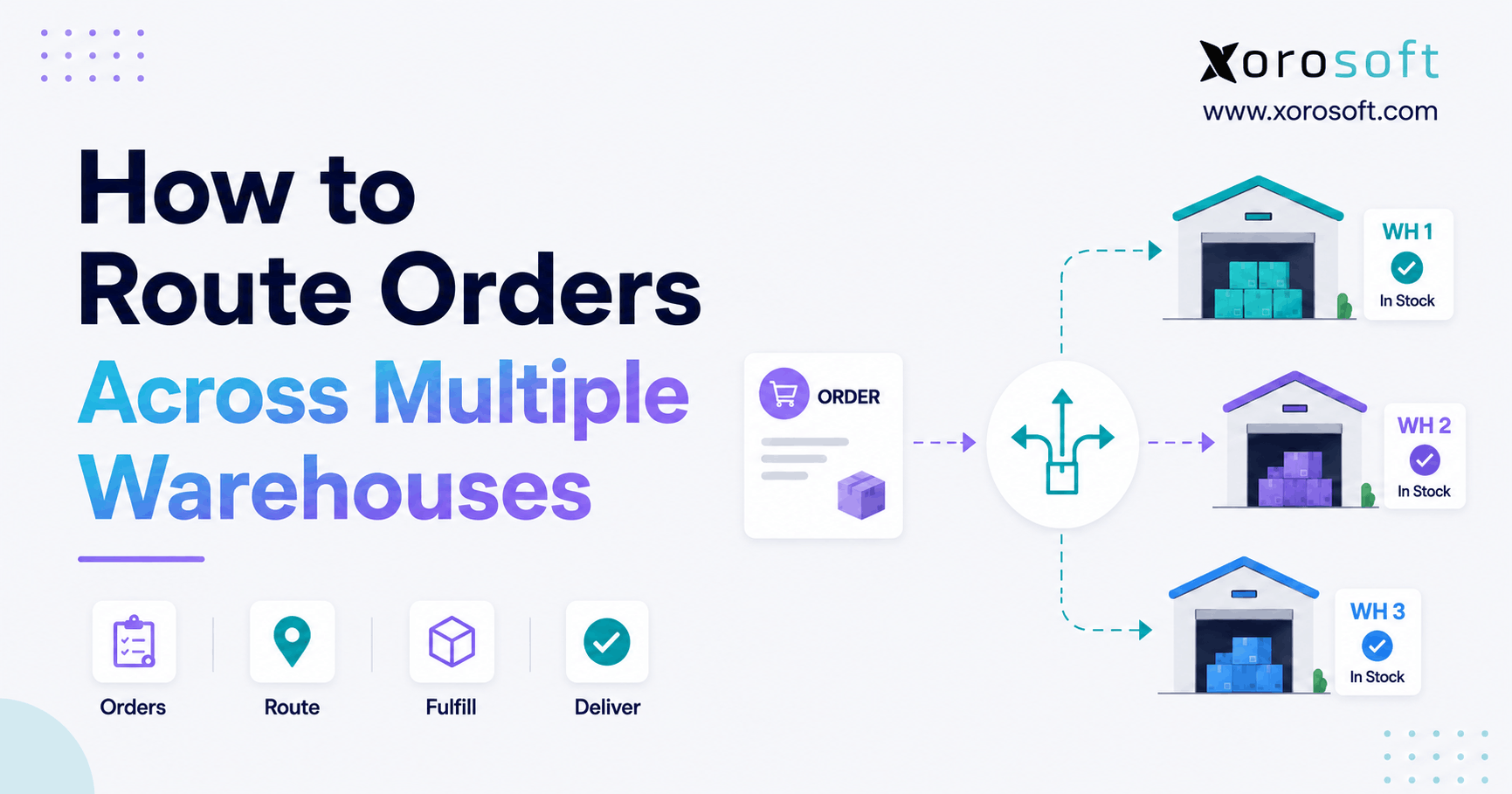
Better location visibility also improves service levels. A merchant can route orders from the best warehouse, reduce shipping delays, and protect customer expectations.
4.4 Smarter Replenishment Planning
Purchasing should not depend only on guesswork. A strong ERP should help buyers evaluate sales velocity, demand trends, open purchase orders, supplier lead times, safety stock, and available inventory.
Better purchasing helps reduce stockouts while also controlling overstock. That balance is critical because excess inventory ties up cash, while stockouts limit revenue. Therefore, replenishment planning should be connected to real inventory and sales data.
A Shopify merchant with seasonal demand should pay special attention to forecasting. If demand changes quickly, old purchase planning methods can create expensive mistakes.
4.5 Shopify Accounting ERP for Financial Visibility
Accounting and inventory should work together. Every sale, return, receipt, adjustment, landed cost, and transfer can affect financial reporting.
For merchants that need inventory and accounting in one connected system, ERP for inventory management can help connect operations and finance more clearly. This is where a platform such as Xorosoft may become relevant for inventory-driven Shopify businesses that have outgrown QuickBooks and disconnected apps.
In addition, a connected accounting workflow reduces the need for finance teams to rebuild operational history at month-end. As a result, leadership can get a clearer view of margins, inventory value, and cash flow.
4.6 Warehouse Management for Growing Teams
Warehouse management becomes important when order volume, SKU complexity, and fulfillment expectations grow. ERP should support receiving, picking, packing, shipping, transfers, cycle counts, and adjustments.
For more advanced warehouse requirements, a connected warehouse management system can help Shopify merchants improve execution across fulfillment teams and locations. As a result, warehouse teams gain clearer processes and better operational visibility.
Warehouse workflows should also be easy for teams to follow. If the system is too difficult to use, adoption suffers. Therefore, usability matters as much as feature depth.
4.7 Demand Planning and Forecasting
Forecasting helps merchants decide what to buy and when to buy it. A good ERP should help teams understand demand patterns, seasonality, supplier timelines, sales velocity, and inventory risk.
Without forecasting, merchants often react too late. As a result, they carry too much of the wrong stock and too little of the right stock. Therefore, forecasting should be part of the ERP evaluation when purchasing complexity is increasing.
Demand planning also helps merchants protect margins. Better forecasts can reduce emergency purchasing, avoid unnecessary markdowns, and improve inventory turnover.
4.8 Reporting That Leadership Can Trust
Leadership needs more than sales reports. They need visibility into gross margin, inventory value, fulfillment performance, purchase order status, stockout risk, warehouse bottlenecks, and channel performance.
The best ERP for Shopify merchants should turn operational data into usable business insight. Moreover, it should help leaders make decisions without waiting for manual reports from several departments.
Reporting should also support accountability. If a stockout happens, teams should be able to understand whether the cause was demand planning, supplier delay, warehouse error, or inventory sync failure.
5. Shopify Inventory Software vs a Full ERP System
Shopify inventory software and ERP software overlap, but they are not the same. Most inventory tools focus mainly on stock tracking and inventory movement. By contrast, ERP manages inventory as part of a broader operating system that includes accounting, purchasing, warehouse management, forecasting, manufacturing, and reporting.
Because of this difference, merchants should avoid choosing software based only on a feature checklist. Instead, they should look at the full operating model.
5.1 When Inventory Tools Are Enough
Inventory tools may be enough if the merchant has one warehouse, simple purchasing, limited financial complexity, and a manageable SKU count. In that situation, a full ERP may be more system than the business needs.
The key question is whether inventory is the only problem. If yes, inventory software may work. However, if stock control connects to accounting, purchasing, fulfillment, manufacturing, and reporting problems, ERP becomes more relevant.
5.2 When a Broader ERP Platform Becomes the Better Fit
A broader ERP platform becomes the better fit when the business needs connected workflows. For example, a merchant may need purchase orders based on demand, inventory valuation tied to accounting, warehouse transfers across locations, and reporting that combines operational and financial data.
At that point, a single inventory app may not solve the full problem. Therefore, merchants should evaluate whether the business needs stock tracking only or a broader operating system.
5.3 Why Growing Merchants Need More Than Stock Counts
Stock counts matter, but they are only one part of the operating picture. Merchants also need to know what inventory is committed, what is incoming, what is delayed, what should be reordered, what is profitable, and what is creating fulfillment bottlenecks.
ERP helps answer those questions in one place. In addition, it helps different teams work from shared data instead of separate reports. As the business grows, decisions become more connected across purchasing, finance, warehouse operations, and customer service.
6. QuickBooks vs Shopify ERP for Growing Merchants
Many Shopify merchants start with QuickBooks because it is familiar and useful for basic accounting. However, QuickBooks is not designed to manage complex inventory-driven operations by itself.
As the business grows, finance teams may rely on QuickBooks while operations teams use inventory apps, warehouse tools, and spreadsheets. That creates a gap between accounting and daily operations. Consequently, month-end close becomes harder, and operational decisions become less connected to financial reality.
6.1 QuickBooks Works Early for Simple Accounting
QuickBooks works well when the business is small and operational workflows are simple. Basic accounting, expense tracking, invoicing, and financial reporting may be enough during the early stage.
The challenge begins when finance depends on data from several disconnected systems. In that situation, accounting becomes a cleanup process instead of a reliable view of the business.
6.2 App-Based Workarounds Become Hard to Scale
Many merchants do not feel this problem immediately. Yet as volume grows, small reconciliation gaps become recurring accounting delays. Therefore, the finance team often becomes one of the first departments to feel the need for ERP.
App-based workarounds also create dependency on manual checks. Teams may export reports, compare spreadsheets, and adjust numbers by hand. Over time, those workflows become difficult to scale.
6.3 Finance Eventually Needs ERP-Level Visibility
A merchant may have outgrown QuickBooks when inventory valuation requires too much manual work, purchasing is disconnected, warehouses need better workflows, and leadership cannot see real-time operating performance.
In that stage, ERP can become the system that connects finance with the rest of the business. This move is not only about replacing accounting software. More importantly, it is about connecting accounting to real operational activity.
7. Shopify ERP Integration Data Flows That Matter
Shopify ERP integration connects Shopify with the ERP system so ecommerce and back-office data stay aligned. The value is not just technical syncing. More importantly, the integration should create operational consistency.
A strong integration should reduce manual work, improve data accuracy, and help teams trust the numbers they use every day. Additionally, it should support the workflows that matter most to inventory-driven merchants.
Merchants should evaluate integration depth carefully. A basic connector may move orders, but a stronger setup should support products, inventory, fulfillment, refunds, returns, accounting, and warehouse updates.
7.1 Product and SKU Data
Product and SKU data should be cleaned before ERP implementation. When SKUs are inconsistent, duplicated, or poorly structured, integration problems become more likely. For that reason, merchants should review item records, product variants, units of measure, and naming rules before going live.
ERP should help maintain item records, product variants, costs, and inventory rules. Therefore, data cleanup should happen before the merchant goes live.
Clean SKU data also improves reporting. If product records are inconsistent, teams may struggle to understand performance by product, category, channel, or warehouse.
7.2 Orders and Fulfillment Updates
Shopify orders should move into ERP with the right customer, item, pricing, tax, discount, shipping, and payment details. Fulfillment updates should also move back to Shopify so customers and teams stay informed.
This flow is critical for reducing manual order handling. Moreover, it helps teams avoid delayed updates that can confuse customer service and warehouse staff.
Order data should also support exceptions. Returns, refunds, partial shipments, backorders, and order edits should be evaluated before choosing an ERP integration.
7.3 Inventory and Warehouse Sync
Inventory sync should reflect sales, returns, receipts, transfers, adjustments, and warehouse activity. If stock updates are delayed, merchants risk overselling or hiding available units.
Multi-warehouse merchants should pay special attention to location-level sync. Otherwise, the business may show stock in the wrong place and make poor fulfillment decisions.
Availability logic matters as well. Some units may be available for ecommerce, while others may be reserved for wholesale, production, or internal transfers.
7.4 Refunds, Returns, and Accounting Data
Refunds and returns affect inventory and accounting at the same time. A poor integration may update one side but not the other. That creates reconciliation problems later.
A reliable ERP integration should support both operational and financial accuracy. As a result, teams can process returns without creating unnecessary reporting issues.
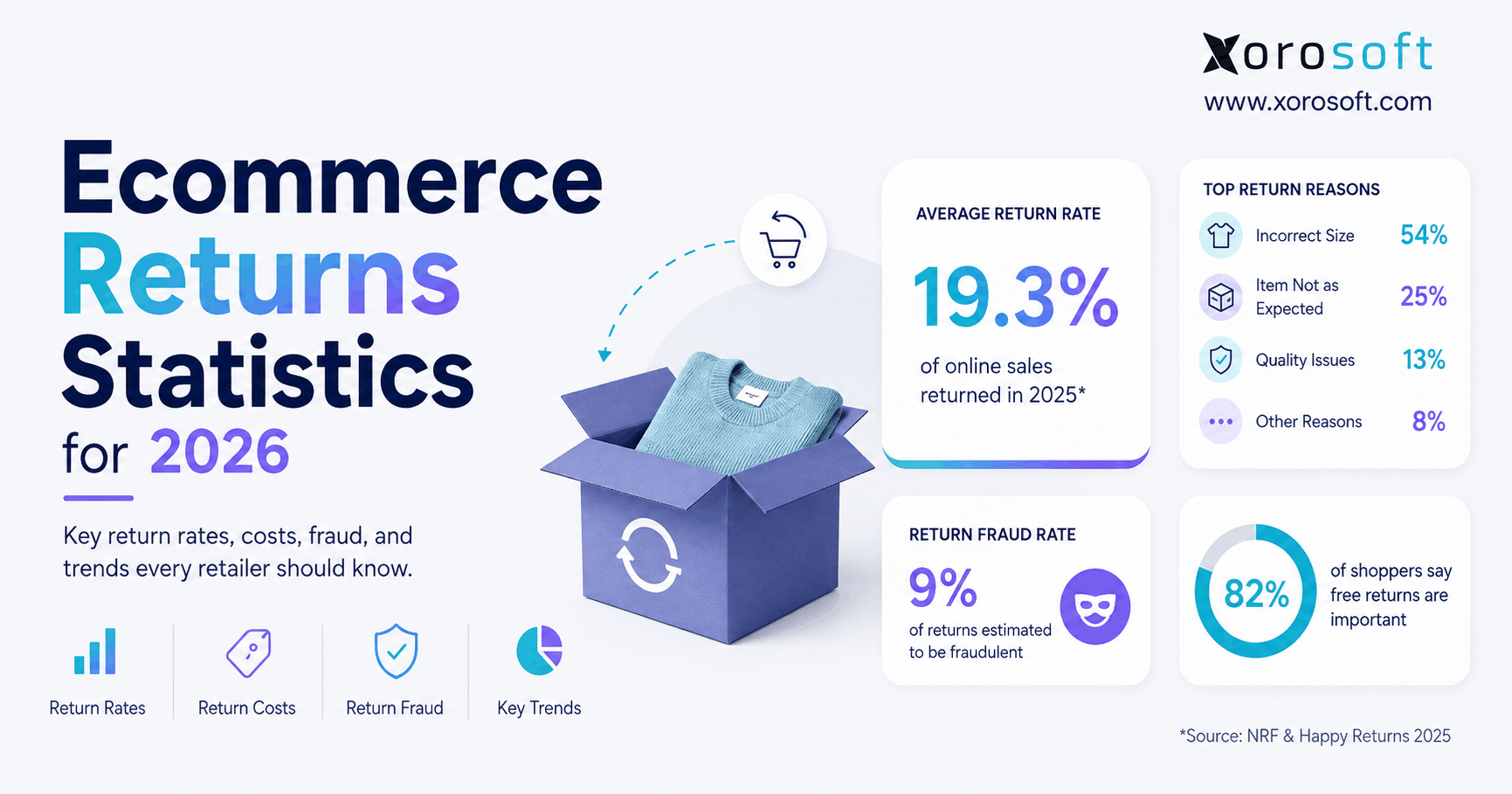
This is especially important for apparel, footwear, and other categories with higher return activity. If returns are not handled correctly, inventory availability and accounting reports can quickly become unreliable.
8. Choosing the Right ERP for Shopify by Industry and Workflow
The best ERP for Shopify merchants depends heavily on business model. Two merchants may both use Shopify, but one may sell apparel, another may distribute furniture, and another may manufacture finished goods. Their ERP needs will not be identical.
For industry-specific examples, Shopify merchants can review how ERP workflows vary across apparel, furniture, wholesale, manufacturing, and other inventory-driven industries. In addition, merchants should consider whether their ERP can support the workflows that are common in their category.
Industry fit matters because ERP is not only a finance system. It needs to support the way products are bought, stored, sold, assembled, shipped, returned, and reported.
8.1 Apparel Brands With Variant Complexity
Apparel brands need strong variant management. Size, color, style, season, returns, and product drops can make stock control difficult.
A good ERP should help apparel merchants manage variant-level stock, purchasing, warehouse allocation, and demand planning. In addition, it should help teams understand which products are moving, which are sitting, and which sizes need replenishment.
Returns deserve special attention in this category. If returned units are not processed quickly and accurately, available inventory may be understated or overstated. Consequently, both customer experience and purchasing decisions can suffer.
8.2 Furniture Merchants With Large-Item Inventory
Furniture merchants often deal with large items, long supplier lead times, landed costs, storage constraints, and delivery complexity. ERP should support purchasing, inventory costing, warehouse visibility, and fulfillment planning.
Because cash is tied up in inventory for longer periods, reporting and purchasing discipline become especially important. Therefore, furniture merchants should evaluate ERP systems with strong inventory costing and warehouse control.
Better visibility into inbound containers, supplier delays, and warehouse capacity can also help these teams plan ahead rather than react after stock arrives late.
8.3 Sporting Goods Brands With Seasonal Demand
Sporting goods merchants may manage seasonal demand, bundles, accessories, and channel-specific product performance. ERP should support forecasting, replenishment, and inventory allocation across Shopify and other channels.
Additionally, sporting goods businesses often need better visibility before seasonal peaks. Without that visibility, stockouts and overstock can both become expensive.
A strong ERP should help teams compare historical demand, current inventory, open purchase orders, and expected sales. Therefore, seasonal merchants should prioritize forecasting and replenishment planning.
8.4 Food and Beverage Brands With Time-Sensitive Stock
Food and beverage merchants may need lot tracking, expiration dates, replenishment controls, and traceability. ERP should support inventory accuracy while helping teams manage time-sensitive stock.
In this category, timing matters. Therefore, ERP should help teams manage availability, purchasing, and warehouse movement before products expire or demand shifts.
Receiving and rotation controls also matter. If stock is not managed correctly, waste can increase and margins can decline. Consequently, ERP fit should be evaluated through real warehouse and purchasing workflows.
8.5 Wholesale Merchants With B2B Requirements
Wholesale merchants need customer-specific pricing, bulk ordering, EDI, inventory allocation, purchasing, and payment terms. Shopify may support the ecommerce side, but ERP should manage the operational and financial workflows behind wholesale.
As a result, wholesale Shopify merchants should compare ERP systems based on pricing rules, allocation logic, order volume, and inventory visibility.
Account-level control is also important. Some customers may have special pricing, credit terms, shipping rules, or allocation priority. Therefore, ERP should support both ecommerce and B2B requirements.
8.6 Manufacturing Businesses With Production Workflows
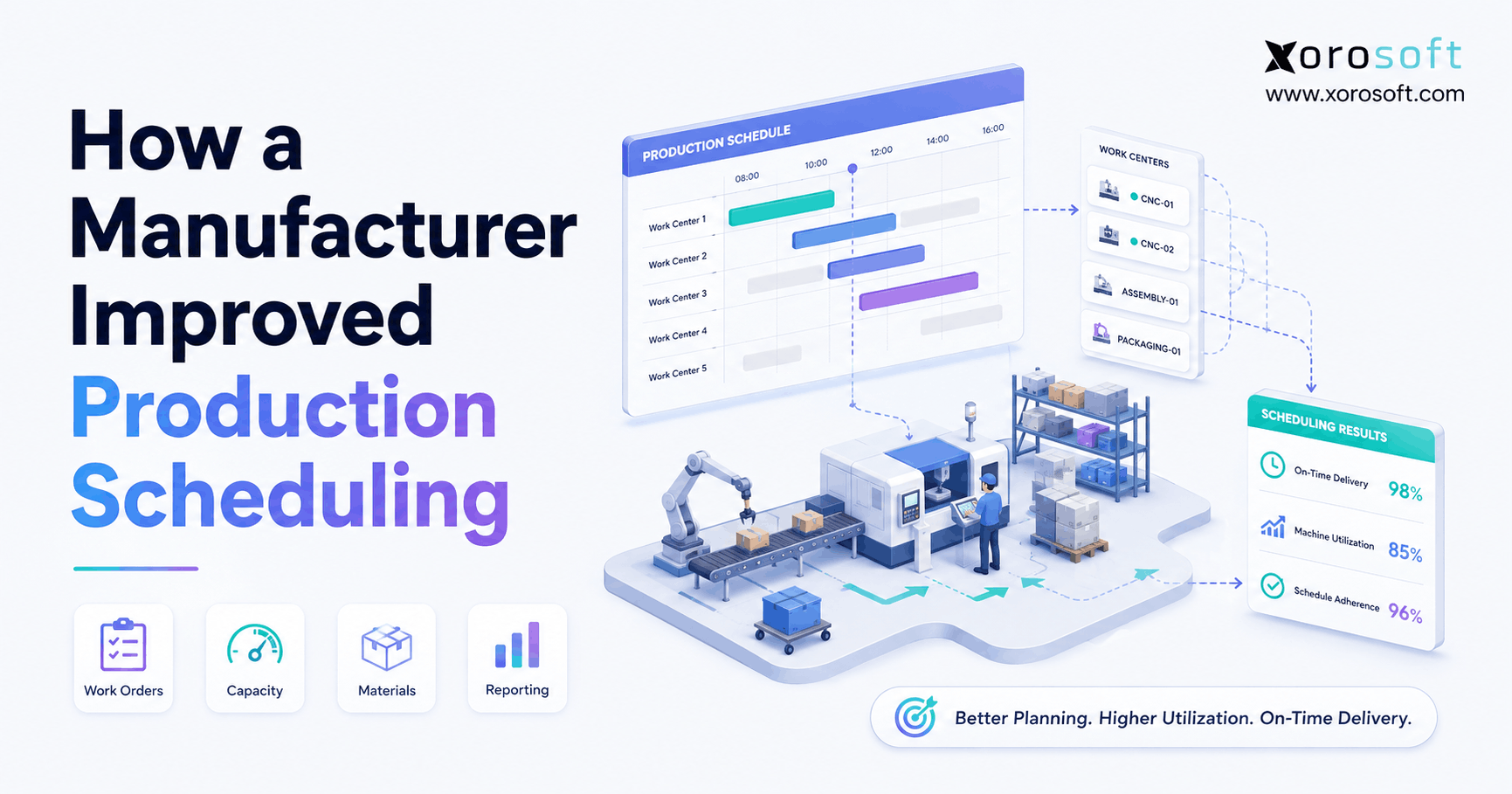
Manufacturers need BOMs, work orders, production planning, raw material visibility, and finished goods tracking. Shopify may handle online sales, while ERP manages production and inventory planning.
Because manufacturing connects purchasing, inventory, labor, and finished goods, disconnected systems can create major blind spots. Therefore, Shopify manufacturers should prioritize ERP systems that support production workflows.
Material availability should be visible before accepting demand. If raw materials are missing, finished goods cannot be produced on time. As a result, ERP should connect sales demand with production planning.
8.7 Amazon Sellers With Multi-Channel Inventory
Shopify and Amazon sellers need centralized inventory control. Without one system of record, the same inventory may be sold through multiple channels. ERP should help manage availability, order flow, fulfillment, and reporting across channels.
In addition, multi-channel merchants need to understand performance by channel. Otherwise, top-line revenue may hide margin problems.
Amazon sellers should also evaluate how stock updates move between systems. Delayed updates can create overselling, while inaccurate channel reporting can distort profitability decisions.
8.8 Multi-Warehouse Businesses With Location Complexity
Multi-warehouse merchants need location-level inventory, transfer workflows, replenishment planning, receiving controls, and fulfillment rules. For this type of operation, Xorosoft can be evaluated as a cloud ERP option because it supports inventory, purchasing, accounting, warehouse management, reporting, and multi-location workflows.
Moreover, multi-warehouse control helps businesses avoid unnecessary transfers, delayed fulfillment, and poor replenishment decisions.
As warehouse networks grow, teams need more than a single inventory count. They need to know where inventory is, what it is reserved for, and how quickly it can move. Therefore, location complexity is one of the strongest signs that ERP may be needed.
9. Shopify ERP Platforms Merchants Commonly Compare
Shopify merchants often compare several ERP and operations platforms. The right choice depends on complexity, budget, implementation resources, industry fit, and required workflows.
However, merchants should avoid assuming that the most recognized platform is automatically the best fit. Instead, each option should be tested against real Shopify workflows.
9.1 NetSuite for Larger Operational Requirements
NetSuite is often evaluated by larger merchants with broad ERP requirements. It can support many business workflows, but merchants should carefully review implementation complexity, cost, internal resources, and integration needs.
Merchants comparing options may also review a NetSuite alternative for Shopify merchants to understand different ERP approaches. In addition, they should compare how each platform handles inventory, warehouse operations, purchasing, and accounting together.
9.2 Other ERP Options Merchants May Review
Platforms such as Acumatica, Cin7, Brightpearl, Fishbowl, Sage, and Microsoft Business Central may fit different merchant profiles. Some are stronger for finance-led ERP, while others focus more on inventory, retail operations, or specific business sizes.
The key is to test each system against real Shopify workflows. Orders, inventory, purchasing, fulfillment, returns, accounting, and reporting should all be reviewed before a final decision is made.
9.3 Xorosoft for Inventory-Driven Commerce Teams
Xorosoft is a cloud ERP platform built for inventory-driven businesses. It combines inventory management, accounting, purchasing, warehouse management, manufacturing, forecasting, reporting, and ecommerce operations into one system.
For Shopify merchants that have outgrown QuickBooks, spreadsheets, inventory-only tools, or disconnected apps, XoroONE can be evaluated as a unified ERP platform for operational control. Additionally, it may fit merchants that manage Shopify, Amazon, wholesale, EDI, and multi-warehouse workflows.
9.4 Shopify App Store Validation
Merchants often prefer ERP systems that have a clear Shopify connection. Xorosoft also has an official listing as a Shopify ERP app, which can help merchants review its Shopify positioning and integration context.
Still, App Store presence should be treated as one signal, not the full decision. A merchant should also ask how products, orders, inventory, refunds, payouts, fulfillment, and accounting data move between Shopify and the ERP.
10. ERP Readiness Checklist Before Making the Move
Before choosing the best ERP for Shopify merchants, teams should confirm whether the business is ready for ERP. Readiness is not only about budget. It is also about process clarity, data quality, leadership support, and team ownership.
In many cases, ERP projects struggle because teams choose software before they define workflows. Therefore, merchants should assess readiness before making a final decision.
10.1 Inventory Data Readiness
Inventory data should be cleaned before ERP implementation. SKU naming, units of measure, product variants, warehouse locations, and stock counts should be reviewed carefully.
Bad data can make even a strong implementation harder. As a result, teams should address inventory structure before go-live.
10.2 Accounting Process Readiness
Finance teams should define how inventory valuation, cost of goods sold, refunds, landed costs, and adjustments should be handled. This helps the ERP support cleaner reporting after launch.
Accounting requirements also need early alignment. When the chart of accounts, costing rules, and month-end process are unclear, implementation may create confusion instead of clarity.
10.3 Warehouse Workflow Readiness
Warehouse teams should document receiving, putaway, picking, packing, transfers, cycle counts, and returns. Without this step, the ERP may be configured around assumptions instead of real workflows.
Because of that, warehouse readiness should be part of the ERP selection process. A system that looks good in a demo may not fit daily fulfillment needs.
10.4 Team and Change Management Readiness
Change management is often underestimated. Operations, finance, purchasing, warehouse, ecommerce, and leadership teams should understand why the system is being implemented and what processes will change.
Each department should also know who owns data, approvals, exceptions, and reporting. This makes adoption easier after launch.
11. How to Choose the Best ERP for Shopify Merchants
Choosing ERP should be a structured decision. A good demo matters, but the real test is whether the system fits the merchant’s actual workflows.
Therefore, merchants should evaluate ERP through real operating scenarios. The best ERP for Shopify merchants should support the business today while also preparing it for the next stage of growth.
11.1 Map Operational Pain Points First
A strong evaluation process should include operations, finance, warehouse, purchasing, ecommerce, and leadership. Otherwise, the final decision may solve one department’s problem while creating friction for another.
Start by documenting the problems that cost time, money, or customer trust. Common examples include inaccurate inventory, delayed purchasing, fulfillment mistakes, slow month-end close, poor reporting, and too many manual exports.
11.2 Compare Features Against Real Workflows
This step keeps the ERP evaluation focused on business outcomes. Otherwise, teams may get distracted by features that look useful but do not solve the main problems.
Pain-point mapping also helps prioritize requirements. When warehouse accuracy is the biggest issue, WMS depth matters. For a painful month-end close, accounting integration becomes more important. If purchasing is reactive, forecasting and replenishment deserve closer review.
11.3 Test Shopify Orders and Exceptions
A feature checklist is useful, but it is not enough. Merchants should test how the ERP handles real Shopify orders, multi-location inventory, purchase orders, receiving, returns, refunds, warehouse workflows, and accounting entries.
The best ERP for Shopify merchants should work in daily operations, not just in a presentation. In addition, the demo should include real examples from the merchant’s business.
11.4 Review Implementation and Total Cost
Implementation support can determine whether an ERP project succeeds. Merchants should ask how data migration, workflow setup, user training, integrations, testing, and go-live support are handled.
Total cost should also be reviewed carefully. ERP cost is not just software pricing; it can include implementation, integrations, training, support, internal time, and future customization.
11.5 Choose for the Next Stage of Growth
Ultimately, the right system should support the next stage of growth, not only the current one. If the merchant plans to add warehouses, wholesale, Amazon, EDI, manufacturing, or new product categories, those requirements should be considered before choosing.
A good ERP should help the merchant scale with more control, not create another layer of complexity.
12. Frequently Asked Questions About Shopify ERP Software
12.1 Which ERP is best for Shopify merchants?
The best ERP for Shopify merchants is the system that fits the merchant’s inventory, accounting, purchasing, warehouse, fulfillment, and reporting needs. There is no single best ERP for every Shopify business. For example, a small store may only need inventory software, while a growing multi-channel merchant may need full ERP. Therefore, the right system should support Shopify integration, inventory visibility, accounting accuracy, purchasing automation, warehouse workflows, and scalable reporting.
12.2 Do Shopify merchants need ERP software?
Not every Shopify merchant needs ERP software. Early-stage stores with simple products, one warehouse, and basic accounting may not need ERP yet. However, ERP becomes useful when a merchant manages complex inventory, multiple warehouses, wholesale orders, Amazon sales, EDI, manufacturing, or delayed financial reporting. In most cases, the need appears when disconnected systems create operational risk and slow down decision-making.
12.3 When should a merchant move to ERP?
A merchant should consider ERP when inventory numbers become unreliable, purchasing depends on spreadsheets, month-end close takes too long, warehouse mistakes increase, or leadership cannot see real-time performance. Another strong sign is app sprawl. If the business needs too many tools to answer basic operational questions, ERP may be the better long-term system. However, the move should happen with clear workflows and clean data.
12.4 Is Shopify an ERP system?
No, Shopify is not an ERP system. Shopify is a commerce platform that helps merchants sell products online and manage ecommerce workflows. By comparison, ERP software manages back-office operations such as inventory, accounting, purchasing, warehouse management, manufacturing, forecasting, and reporting. Therefore, Shopify and ERP usually work together, with Shopify managing the storefront and ERP managing operations.
12.5 Can Shopify replace ERP software?
Shopify cannot fully replace ERP software for complex inventory-driven businesses. It can manage ecommerce activity very well, but it is not designed to handle every back-office workflow for growing merchants. For that reason, businesses with multiple warehouses, purchasing complexity, accounting requirements, manufacturing, wholesale, or EDI usually need a dedicated ERP system behind Shopify.
12.6 How does ERP support online stores?
ERP connects online orders and inventory with accounting, purchasing, warehouse management, forecasting, manufacturing, and reporting. It helps merchants manage what is in stock, what is committed, what needs to be purchased, where orders should ship from, and how operations affect financial performance. In simple terms, ERP creates the operating system behind ecommerce growth.
12.7 What data should sync between Shopify and ERP?
Important data includes products, SKUs, customers, orders, refunds, returns, inventory quantities, warehouse locations, fulfillment updates, taxes, payouts, and accounting information. The exact sync depends on the business model, but order and inventory data are usually the most important. In addition, multi-channel merchants may need Amazon, wholesale, EDI, and warehouse data connected.
12.8 Which system fits Shopify Plus merchants?
The right system for Shopify Plus merchants depends on operational complexity. Shopify Plus merchants often need advanced inventory, multi-warehouse fulfillment, wholesale support, accounting integration, purchasing, forecasting, and reporting. Therefore, they should compare ERP options based on real workflows rather than only brand name or feature lists. The right system should support scale without forcing teams into unnecessary complexity.
12.9 Inventory management platform: what should merchants review?
A strong inventory management platform should support real-time visibility, multi-warehouse control, stock commitments, transfers, receiving, replenishment, inventory valuation, and reporting. It should also connect inventory to orders, accounting, purchasing, and warehouse execution so the business can trust its numbers. For growing merchants, inventory management should be part of a broader operational system.
12.10 Ecommerce accounting: how should it connect with ERP?
Ecommerce accounting should connect sales, refunds, purchase orders, inventory costs, landed costs, adjustments, and financial reporting. This helps finance teams reduce manual reconciliation and close the month with cleaner data. As a result, Shopify merchants should look for ERP software that connects accounting with real operational activity instead of keeping finance separate from inventory.
12.11 ERP vs inventory software: how are they different?
Inventory software mainly manages stock tracking and inventory movement. ERP manages inventory as part of a larger business system that includes accounting, purchasing, warehouse management, manufacturing, forecasting, and reporting. Inventory software can be enough for simpler operations. However, ERP is usually better for merchants with connected operational and financial complexity.
12.12 QuickBooks vs ERP: where does each fit?
QuickBooks is primarily accounting software. ERP is broader because it connects accounting with inventory, purchasing, warehouse management, manufacturing, and reporting. Many Shopify merchants start with QuickBooks. However, they may move to ERP when inventory complexity and operational workflows become too difficult to manage through accounting software and separate apps.
12.13 Implementation cost: what should merchants expect?
Implementation cost varies based on users, modules, implementation scope, integrations, data migration, training, and support. Merchants should evaluate total cost of ownership, not just subscription price. A cheaper tool may become expensive if it cannot support inventory, accounting, purchasing, warehouse, or reporting needs properly. Therefore, cost should be compared against operational impact.
12.14 Project timeline: how long does it take?
Implementation time depends on data quality, business complexity, integrations, workflow design, and team readiness. A simpler rollout may take weeks, while a more complex multi-channel, multi-warehouse, or manufacturing implementation can take several months. Therefore, clean data and clear process ownership usually make implementation smoother.
12.15 Selection mistakes: what should merchants avoid?
Merchants should avoid choosing ERP based only on price, ignoring warehouse workflows, underestimating data cleanup, skipping real workflow demos, and treating ERP like a simple app install. ERP affects operations, finance, purchasing, warehouse teams, ecommerce teams, and leadership. Therefore, the decision should be cross-functional.
12.16 Team preparation: how should implementation be planned?
Teams should clean SKU data, document workflows, define integration requirements, review accounting processes, assign internal owners, and prepare for process change. They should also test real scenarios during demos, including Shopify orders, refunds, purchase orders, receiving, warehouse fulfillment, and reporting. Better preparation usually leads to a stronger ERP rollout.
13. Practical Takeaway for Shopify ERP Buyers
The best ERP for Shopify merchants is not always the biggest system or the most recognizable name. Instead, it is the system that matches the merchant’s operating model, inventory complexity, accounting requirements, warehouse workflows, purchasing needs, and growth plans.
For a small Shopify store, simple tools may still be enough. However, once inventory, finance, purchasing, fulfillment, and reporting become too connected to manage separately, ERP becomes a strategic operating decision.
13.1 Final Evaluation Point
A strong Shopify ERP should help the business answer important questions faster. Operations teams need to know which inventory is available, which units are already committed, and which products need to be reordered. Warehouse leaders need clarity on the best fulfillment location for each order. Meanwhile, finance needs a reliable view of true inventory value, and leadership needs to understand which channels are profitable and where operations are slowing down.
For inventory-driven Shopify merchants, Xorosoft can be considered when the business needs cloud ERP, inventory management, accounting, purchasing, warehouse management, manufacturing, forecasting, reporting, Shopify, Amazon, EDI, and multi-warehouse workflows in one connected system.
13.2 Next Step for Growing Shopify Teams
If your current stack includes Shopify, QuickBooks, spreadsheets, inventory apps, warehouse apps, and manual purchasing files, the next step is to review whether ERP is the right move.
Book a personalized ERP demo to evaluate how your Shopify inventory, accounting, purchasing, warehouse management, and reporting workflows could work together in one operating system.