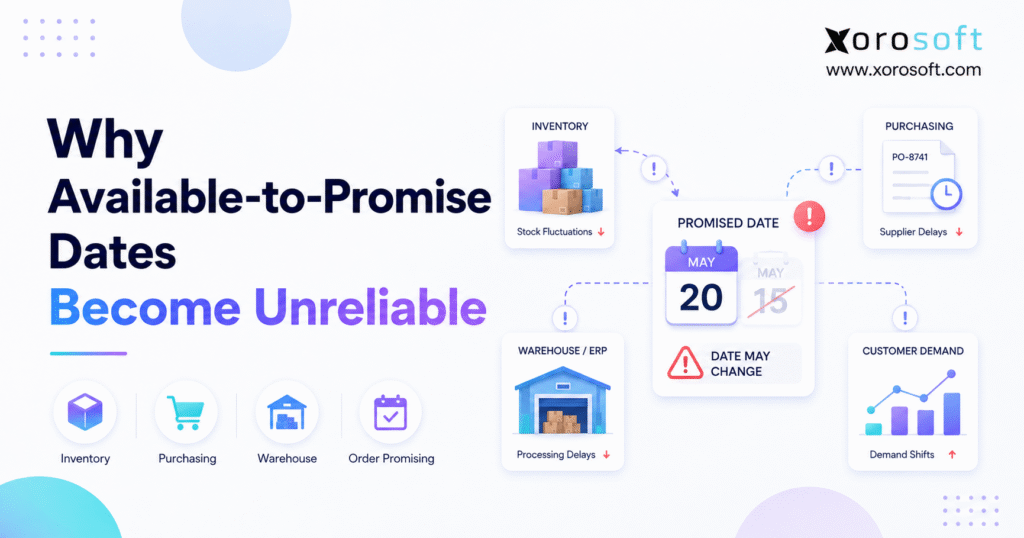
When planning your supply chain or managing inventory, understanding available-to-promise dates is crucial for meeting customer expectations. In this article, we’ll explain exactly what available-to-promise dates are and why they matter for your business.
1. Why Available-to-Promise Dates Depend on Reliable Data
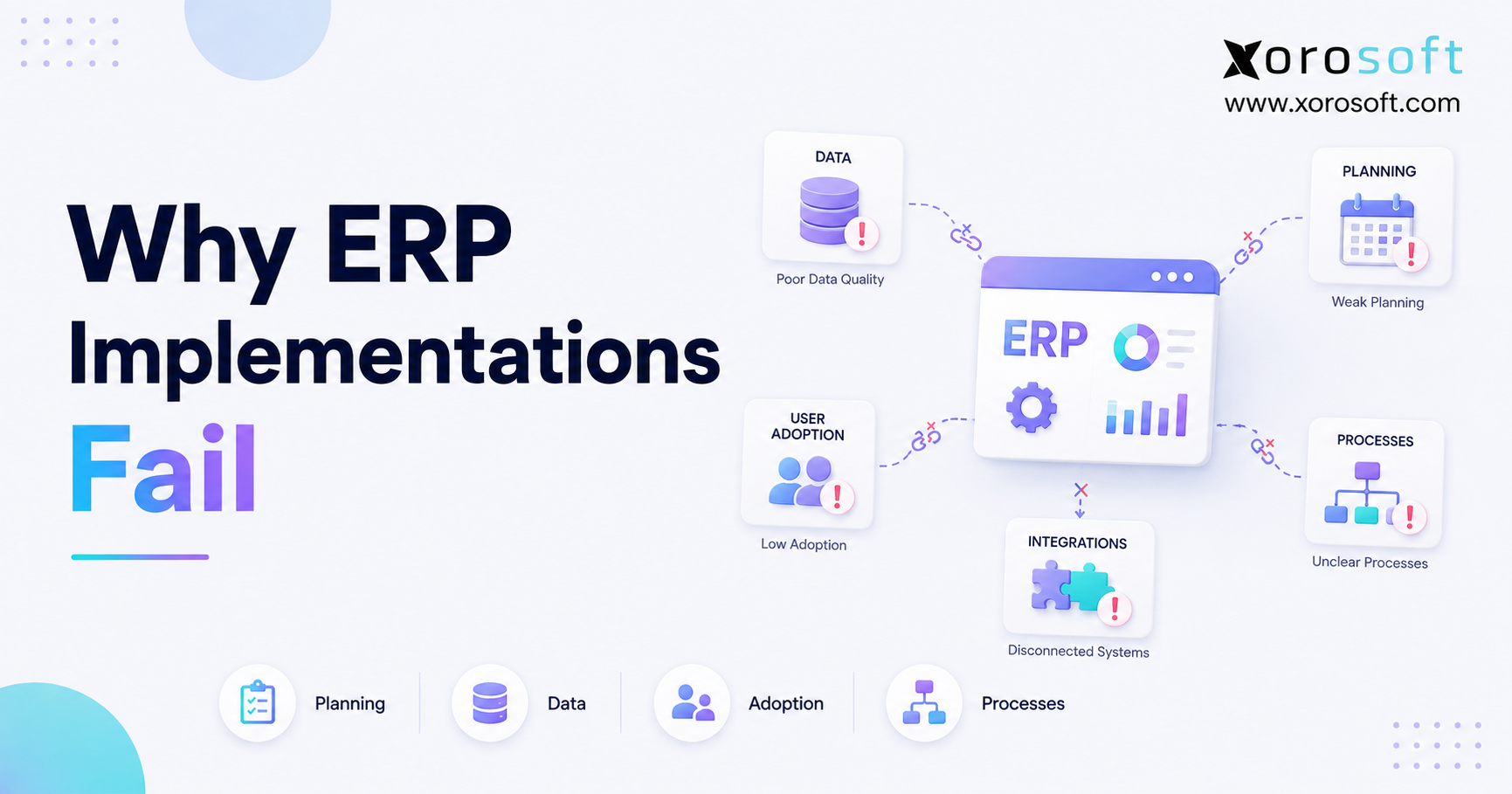
Available-to-promise dates become unreliable when inventory, demand, purchasing, and warehouse teams operate from different versions of the truth. Although the date shown to a customer may look precise, the calculation behind it may depend on delayed updates, outdated purchase orders, incorrect reservations, or inventory sitting in the wrong location.
Consequently, the problem is rarely one defective formula. Instead, it usually develops through small operational gaps that accumulate as a company grows.
For example, a Shopify store may show 60 units available. Meanwhile, the warehouse may have already picked 20 units, a wholesale order may have reserved 30, and five units may be damaged. Although the storefront appears to have enough inventory, only five units may actually remain available.
Therefore, a reliable customer promise needs more than an on-hand quantity. It requires current inventory, confirmed supply, existing demand, warehouse timing, allocation rules, and accurate order status.
1.1 What Available-to-Promise Dates Mean
Available to promise, commonly shortened to ATP, determines how much inventory a business can commit and when that inventory can realistically ship.
In other words, ATP answers a practical customer question:
“When can you reliably fulfill my order?”
However, the answer may include both current and future inventory. For instance, a company may have no stock available today but expect a confirmed purchase order next week. As a result, the business may promise the product for a future date rather than rejecting the order completely.
1.2 Why ATP Is Different From Stock on Hand
Stock on hand represents the quantity physically recorded in inventory. However, it does not automatically represent what the business can sell or ship.
For example, on-hand inventory may include units that are:
- Reserved for existing orders
- Picked but not yet shipped
- Held for quality inspection
- Damaged or expired
- Assigned to wholesale customers
- Located at another warehouse
- Involved in an inventory count
- Reserved as safety stock
Therefore, available-to-promise inventory must exclude stock that is not genuinely available for new customer commitments.
1.3 Why Promise-Date Accuracy Matters
Reliable order promise dates help customers decide whether to complete a purchase. Moreover, they help sales teams confirm wholesale orders, purchasing teams plan replenishment, and warehouse teams prioritize fulfillment.
However, unreliable dates create repeated operational exceptions. Consequently, teams spend more time checking inventory manually, changing shipment dates, contacting customers, and expediting delayed orders.
Ultimately, the company pays for the same error several times through support costs, warehouse disruption, canceled orders, and reduced customer trust.
2. How Available-to-Promise Dates Should Be Calculated
Available-to-promise dates should connect supply, demand, reservations, and operational lead times. Therefore, a reliable calculation must look beyond current stock.
A simplified ATP calculation is:
Current sellable inventory
- Confirmed future supply
− Existing order demand
− Reserved inventory
− Safety stock
= Inventory available for new promises
However, quantity alone does not produce a reliable date. The system must also consider when stock becomes available and how long fulfillment will take.
2.1 Start With Current Sellable Inventory
First, the system should identify inventory that can genuinely be sold.
Although a warehouse may contain 1,000 units, some units may already belong to another order. Additionally, some units may be damaged, quarantined, expired, or inaccessible.
Therefore, ATP should start with usable inventory rather than total physical inventory.
2.2 Add Confirmed Future Supply
Next, the calculation should include future supply that has a reasonable probability of arriving as planned.
Microsoft explains that order promising can calculate the earliest date based on inventory, scheduled receipts, and gross requirements. Its order-promising documentation also distinguishes ATP from capable-to-promise calculations used when new replenishment must be created.
Future supply may include:
- Confirmed purchase orders
- Inbound transfer orders
- Production work orders
- Finished goods awaiting receipt
- Approved returned inventory
- In-transit shipments
However, unconfirmed supply should not carry the same weight as a shipment already in transit.
2.3 Subtract Existing Demand
Then, the system must subtract all demand that has already consumed or reserved supply.
For example, demand may come from Shopify, Amazon, wholesale orders, EDI transactions, backorders, replacement orders, subscriptions, or manufacturing requirements.
Consequently, failing to include even one demand source may cause the business to promise the same unit twice.
2.4 Apply Reservations and Allocation Rules
In addition, ATP must recognize inventory that the business has intentionally protected.
For example, a company may reserve inventory for a national retailer, an upcoming product launch, or a high-priority sales channel. Likewise, it may retain safety stock to protect against supplier delays.
Therefore, reservation and allocation rules should reduce the quantity available for new orders.
2.5 Account for Warehouse and Transportation Time
Finally, the system must convert inventory availability into a realistic fulfillment date.
Oracle notes that order promising may work with on-hand inventory, purchase orders, work orders, and transfer orders. Its guidance on synchronizing order-promising availability reinforces the importance of keeping operational supply records aligned.
Additionally, an order may require picking, packing, labeling, carrier collection, and transportation time. Therefore, stock that becomes available on Tuesday may not reach the customer until Thursday or Friday.
3. Nine Reasons Available-to-Promise Dates Become Unreliable
Available-to-promise dates generally fail because the information behind them changes faster than the systems recording it.
Although each failure may appear minor, several small errors can produce a significantly inaccurate customer promise.
3.1 Delayed Inventory Updates Distort ATP Dates
First, ATP dates become unreliable when sales channels and warehouse systems do not update inventory immediately.
For example, Shopify may sell the final unit while an Amazon order is importing. Meanwhile, a wholesale representative may be preparing a large order from the same inventory pool.
Consequently, each channel may attempt to sell stock that another channel has already consumed.
3.2 Inaccurate Purchase Orders Shift Available-to-Promise Dates
Second, purchase order due dates often reflect a supplier’s original commitment rather than the most likely arrival date.
However, suppliers may delay production, split shipments, change quantities, or miss transportation windows. If buyers do not update the expected receipt date, the ATP calculation continues promising inventory against outdated information.
As a result, customers receive dates that operations cannot achieve.
3.3 Open Orders Reduce Available-to-Promise Inventory
Third, some systems deduct inventory only after shipping rather than when the order becomes firm.
Consequently, stock may continue appearing available even though confirmed orders already require it.
For example, a large wholesale order may sit in an approved status without reducing ecommerce availability. Therefore, Shopify customers can keep purchasing inventory that the wholesale order has effectively consumed.
3.4 Warehouse Delays Make Order Promise Dates Unreliable
Fourth, ATP inventory becomes inaccurate when receiving, picking, packing, transfers, and adjustments update in batches.
For instance, a picker may remove units from a bin at 10:00 a.m., while the inventory system does not update until noon. During that interval, another order may receive an incorrect promise.
Therefore, real-time warehouse transactions are essential for dependable ATP dates.
3.5 Multi-Warehouse Inventory Changes ATP Dates
Fifth, total company inventory can hide location-level shortages.
For example, 500 units may exist across the network. However, 450 may sit in a distant warehouse that cannot fulfill the customer within the requested window.
Consequently, reliable available-to-promise dates must consider warehouse location, transfer time, carrier service, and fulfillment capacity.
3.6 Returns Can Inflate Available-to-Promise Inventory
Sixth, returned inventory may re-enter available stock before inspection.
However, a returned item could be damaged, incomplete, expired, or unsuitable for resale. If the system immediately adds that unit to ATP, another customer may receive a promise that the warehouse cannot fulfill.
Therefore, returned stock should remain unavailable until the required inspection is complete.
3.7 Transfer Errors Distort Inventory Promise Dates
Seventh, transfer orders may temporarily create duplicate availability.
For example, the shipping warehouse may still show the item until dispatch is confirmed. Meanwhile, the receiving warehouse may show the same item as expected supply.
Consequently, the business may promise one unit from two locations. Strong transfer statuses prevent this double counting.
3.8 Every System Uses a Different Availability Definition
Eighth, disconnected applications may calculate availability differently.
For example:
- Shopify may show online sellable inventory.
- The WMS may show pickable inventory.
- Accounting may show financially owned inventory.
- Purchasing may show expected inbound inventory.
- Sales may show unallocated inventory.
- A spreadsheet may show planned inventory.
Although each number can serve a purpose, they should not compete as the company’s official promise quantity.
3.9 Teams Override Promise Dates Manually
Finally, manual overrides weaken ATP reliability when users change dates without updating the underlying supply or demand.
For example, sales may move a promise date forward to close an order. Likewise, purchasing may keep an old PO date while waiting for supplier confirmation.
Although the change may solve an immediate conversation, it creates a promise that other teams cannot see or support.
4. Available-to-Promise Dates vs Other Inventory Dates
Available-to-promise dates become harder to control when a business sells through several channels. Although total order volume matters, channel complexity usually creates the greater risk.
Each channel may have different order timing, fulfillment rules, inventory buffers, and customer expectations. Therefore, one shared inventory number does not automatically create one reliable promise.
4.1 Shopify and Ecommerce Orders
Shopify orders can arrive continuously, including outside normal warehouse hours. Consequently, inventory may change long after purchasing, sales, and warehouse managers finish their workday.
Shopify explains that delivery dates can incorporate fulfillment time and transit time. Therefore, merchants should distinguish between when inventory can ship and when the carrier can deliver it. Shopify’s delivery-date guidance provides additional context for configuring customer-facing estimates.
For growing merchants, a connected operational layer behind Shopify can improve inventory synchronization, purchasing visibility, and warehouse coordination. Xorosoft’s listing in the Shopify App Store describes an ERP application designed for ecommerce, retail, and wholesale operations.
4.2 Wholesale and EDI Orders
Wholesale orders create a different problem because one order may consume hundreds or thousands of units.
Moreover, EDI orders may include future delivery windows, retailer requirements, order changes, and compliance deadlines. Therefore, future-dated wholesale demand must consume the correct supply period rather than only today’s inventory.
A reliable ATP process should also protect customer-specific allocations and contractual commitments.
4.3 Amazon and Marketplace Demand
Amazon and other marketplaces can create sudden order volume after promotions, advertising changes, or seasonal demand spikes.
Meanwhile, marketplace inventory may sit in separate fulfillment networks. Consequently, stock assigned to Amazon should not automatically support Shopify or wholesale promises unless the business can actually redirect it.
4.4 Multi-Warehouse and 3PL Operations
Multi-warehouse businesses must promise from the location capable of fulfilling the order.
For example, the nearest warehouse may have no stock, while another location has excess stock. Although a transfer may solve the shortage, the transfer adds handling and transportation time.
Therefore, location-aware ATP logic should consider both availability and fulfillment feasibility.
5. How Inventory Allocation Protects Order Promise Dates
Inventory allocation determines which customer, channel, order, or warehouse receives available stock.
Without allocation rules, available-to-promise dates may look accurate at the company level but fail at the individual order level.
5.1 Why Allocation Improves Available-to-Promise Accuracy
For example, an apparel brand may reserve a seasonal collection for wholesale accounts. Meanwhile, ecommerce demand may increase unexpectedly.
If ecommerce orders consume the reserved inventory, the company may miss wholesale delivery windows. Conversely, excessive wholesale reservations may unnecessarily block online sales.
Therefore, allocation rules must reflect commercial priorities without hiding usable stock.
5.2 Common ATP Inventory Allocation Methods
Businesses commonly allocate inventory by:
- Confirmed order date
- Customer priority
- Sales channel
- Warehouse location
- Contractual commitment
- Product launch
- Margin
- Region
- Order type
- Safety-stock requirement
However, no single method works for every company. Consequently, operations leaders must define when each rule applies.
5.3 Why Manual Allocation Spreadsheets Fail
Manual allocation spreadsheets can work when order volume is low.
However, spreadsheets become outdated as soon as new orders, returns, receipts, or transfers occur. Moreover, they rarely update Shopify, Amazon, EDI, or warehouse systems automatically.
Therefore, spreadsheet allocation often creates a second version of inventory rather than controlling the first.
6. How Purchasing Distorts Available-to-Promise Dates
Available-to-promise dates depend heavily on purchasing because future promises often rely on inbound stock.
Therefore, even an accurate inventory count cannot produce a reliable ATP date when purchase order information is weak.
6.1 Unconfirmed Purchase Orders Create Unreliable ATP Dates
An open purchase order does not always represent dependable supply.
For example, the supplier may not have confirmed the quantity, production date, or shipping method. Consequently, treating every open PO as guaranteed inventory produces overly optimistic dates.
A stronger process separates planned, confirmed, shipped, and received supply.
6.2 Supplier Lead-Time Variability
Supplier lead times also change by season, product, factory, material, and transportation method.
Therefore, using one fixed lead time for every order can distort ATP. Instead, buyers should compare planned lead times with actual supplier performance and update expectations regularly.
6.3 Partial Shipments and Short Receipts
A supplier may ship 700 units against a purchase order for 1,000.
However, if the system continues expecting the entire quantity, it may promise the missing 300 units to customers.
Consequently, purchasing and receiving teams must record partial shipments, shortages, and revised balances promptly.
6.4 Inbound Delays
Port congestion, customs issues, transportation delays, and supplier production changes can shift future availability.
Therefore, inbound status should update the inventory promise date rather than remain trapped in an email, supplier portal, or spreadsheet.
7. How Warehouse Execution Affects ATP Dates
Order promising does not end when inventory becomes available. Instead, warehouse execution determines whether the business can meet the date.
Consequently, ATP should reflect receiving, putaway, picking, packing, staging, and carrier timing.
7.1 Receiving and Putaway Delays
Inventory may arrive at the warehouse without becoming immediately available.
For example, the receiving team may need to count, inspect, label, and put away the stock. Therefore, an item arriving Monday morning may not become pickable until Monday afternoon or Tuesday.
7.2 Picking and Packing Capacity
Likewise, warehouse labor can limit how many orders ship each day.
Although inventory may be available, the warehouse may face a backlog, labor shortage, or complex packing requirement. Consequently, ATP logic should not promise unlimited same-day fulfillment.
A real-time warehouse management system can connect inventory tracking with receiving, picking, replenishment, and omnichannel fulfillment activity.
7.3 Inventory Location Errors
Bin-level errors also damage promise-date accuracy.
For example, the system may show ten units in a bin, while the picker finds only seven. As a result, three orders require exception handling, substitution, or delay.
Therefore, cycle counting and scan discipline directly support reliable ATP inventory.
7.4 Carrier Cut-Off Times
Carrier cut-off times must also influence promised ship dates.
For instance, an order placed at 4:00 p.m. may miss a 3:00 p.m. pickup. Although the warehouse can pack the order immediately, the carrier cannot move it until the next business day.
Consequently, ATP and customer delivery estimates must account for operational calendars.
8. Why Ecommerce Available-to-Promise Dates Become Unreliable
Manufacturing businesses cannot always promise from finished goods alone.
Instead, they may need to evaluate raw materials, components, bills of materials, work orders, production capacity, and quality checks.
8.1 Component Availability
A finished product may require ten components. However, one missing component can delay the entire order.
Therefore, manufacturing ATP must look below the finished SKU and evaluate material availability.
8.2 Work Order Timing
Work orders also affect future promise dates.
For example, a work order may be scheduled for Wednesday. However, a material delay or production interruption may move completion to Friday.
Consequently, sales promises should update when the production schedule changes.
8.3 Production and Financial Alignment
Manufacturing decisions affect inventory quantities, product costs, work-in-process, and finished goods.
A connected manufacturing ERP platform can link procurement, warehousing, production, inventory, accounting, and reporting rather than leaving those processes in separate tools.
9. The Operational Cost of Unreliable Promise Dates
Unreliable available-to-promise dates do more than create late shipments. In addition, they cause repeated work across sales, customer service, purchasing, warehouse operations, and finance.
9.1 Customer Service Costs Increase
First, customers contact support when orders miss the original date.
Consequently, agents must investigate inventory, contact the warehouse, check supplier status, and provide revised expectations. This work adds cost without creating new revenue.
9.2 Expedite Costs Increase
Next, teams may use expedited freight to recover a missed promise.
However, faster shipping cannot fix weak ATP logic. Instead, it hides the operational failure while reducing order margin.
9.3 Sales Loses Confidence
Similarly, sales representatives stop trusting the system when promise dates fail repeatedly.
As a result, they call the warehouse, message purchasing, or maintain private spreadsheets before confirming orders. Consequently, the business loses the efficiency its software was supposed to provide.
9.4 Purchasing Becomes Reactive
Purchasing teams also become reactive when they cannot see true future demand.
Therefore, buyers place urgent orders, increase safety stock, or overbuy popular SKUs. Although those decisions may reduce short-term shortages, they can create excess inventory later.
9.5 Financial Reporting Becomes Harder
Finally, inventory disagreements create financial reconciliation problems.
For example, operational systems may show stock available while accounting records show a different quantity or value. Consequently, month-end close requires more adjustments and investigation.
10. How to Diagnose Unreliable Available-to-Promise Dates
Before changing software, a business should identify exactly where promise-date accuracy breaks.
Therefore, the diagnostic process should compare planned promises against actual operational events.
10.1 Measure Promise-Date Performance
First, track the original promised date, revised promised date, actual ship date, and actual delivery date.
Additionally, record the cause of each miss. Common categories include inventory error, supplier delay, warehouse delay, allocation conflict, production delay, transfer issue, and carrier delay.
10.2 Audit Every Inventory Source
Next, identify every system that creates, consumes, moves, or reports inventory.
For example, the list may include Shopify, Amazon, ERP, WMS, 3PL portals, EDI tools, purchasing spreadsheets, and accounting software.
Then, determine which system owns the official ATP quantity.
10.3 Review Reservation Timing
The business should also establish when an order begins consuming inventory.
For example:
- When the cart is created
- When checkout is completed
- When payment is authorized
- When the order is approved
- When the warehouse releases the order
- When the order ships
If different channels reserve inventory at different stages, overselling risk increases.
10.4 Compare Purchase Order Dates With Actual Receipts
Next, compare supplier due dates against actual warehouse receipts.
This analysis should identify suppliers, products, and seasons with recurring delays. Consequently, the company can replace optimistic lead times with realistic planning assumptions.
10.5 Review Manual Overrides
Finally, report every manual change to inventory, allocation, PO dates, and customer promises.
Although manual intervention may be necessary, frequent overrides reveal missing rules or unreliable data. Therefore, the goal is not to ban overrides but to understand why they happen.
11. How to Restore Reliable Available-to-Promise Dates
Reliable available-to-promise dates require connected data, consistent definitions, and clear operational ownership.
Therefore, businesses should improve ATP through a structured sequence rather than adding another spreadsheet.
11.1 Establish One Operational Inventory Record
First, choose one system to maintain the authoritative inventory position.
That record should include stock by warehouse, status, channel, reservation, bin, lot, and availability date. Consequently, other systems should consume that information rather than independently calculate conflicting quantities.
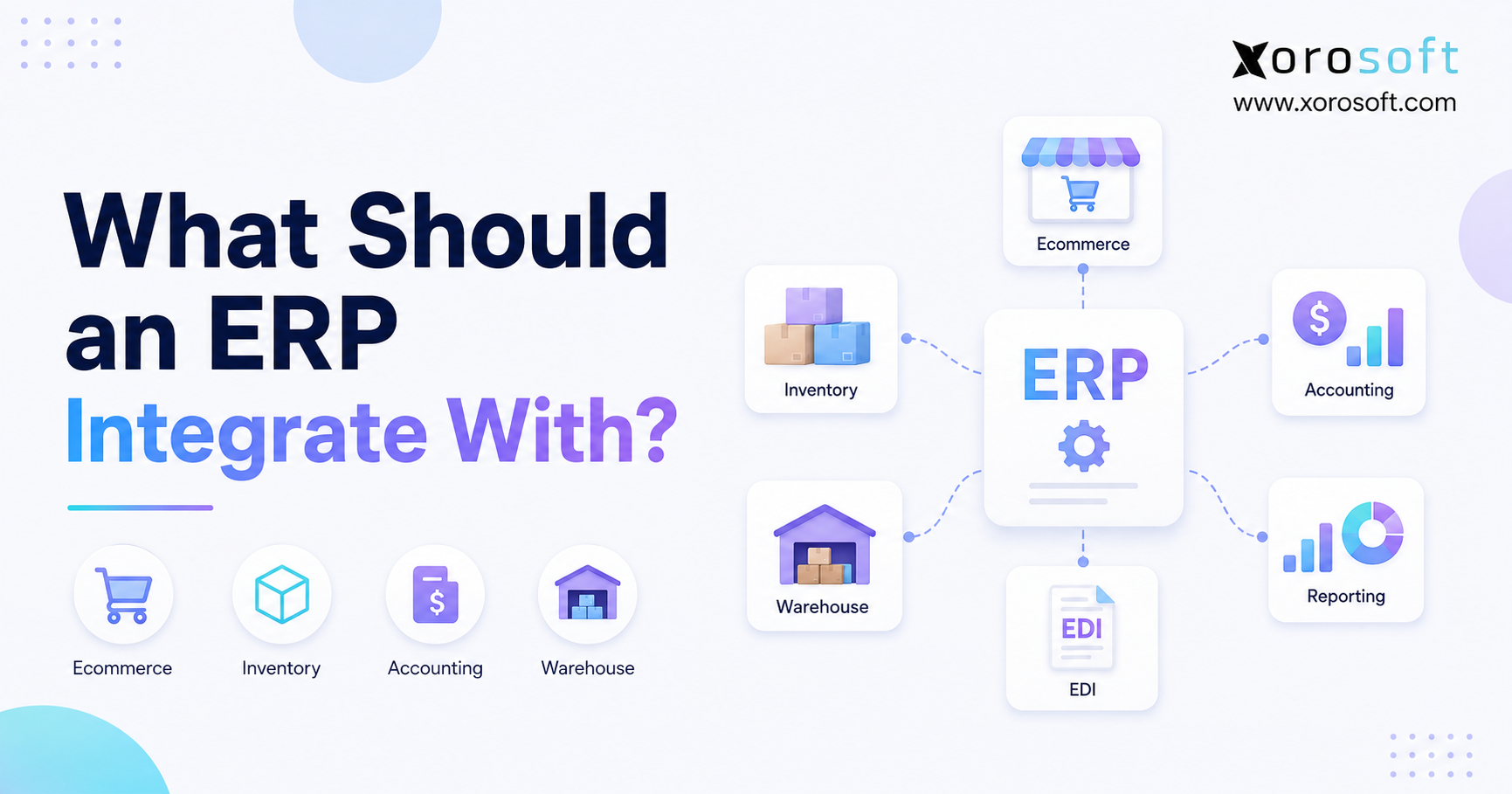
A unified cloud ERP platform can connect inventory, purchasing, sales, warehouse management, accounting, manufacturing, reporting, ecommerce, and EDI workflows.
11.2 Connect Every Demand Source
Next, integrate every channel that creates demand.
This includes Shopify, Amazon, wholesale portals, EDI customers, subscription orders, replacement orders, and internal requirements.
Xorosoft’s integration ecosystem is designed to connect ecommerce, marketplaces, shipping platforms, payment services, and related operational tools.
11.3 Define What Counts as Supply
The business should then define which supply records ATP can trust.
For example, a confirmed PO may count. However, a draft PO may not. Likewise, a transfer may count only after shipment, while returned inventory may count only after inspection.
Consequently, every supply status should have a clear ATP rule.
11.4 Define What Counts as Demand
Similarly, every demand type must reduce availability at the correct time.
The rule should cover ecommerce orders, wholesale orders, backorders, production demand, samples, replacements, and future commitments.
Therefore, teams should not depend on informal knowledge about orders that the system cannot see.
11.5 Add Channel and Customer Allocation Rules
Next, define how inventory should be shared when demand exceeds supply.
For example, the company may protect strategic wholesale accounts, reserve launch inventory, or maintain an ecommerce safety buffer.
However, these rules should remain visible. Otherwise, protected inventory appears missing to other teams.
11.6 Use Realistic Supplier and Warehouse Lead Times
ATP should use demonstrated performance rather than best-case assumptions.
Therefore, supplier lead times should reflect actual receipt history. Likewise, warehouse lead times should reflect order complexity, cut-off times, weekends, peak periods, and staffing capacity.
11.7 Monitor Exceptions Instead of Every Order
Finally, operations teams should focus on exceptions.
For example, the system should highlight orders at risk because supply moved, inventory changed, production slipped, or the warehouse missed a milestone.
Consequently, teams can intervene before the customer promise fails.
12. Who Needs Advanced ATP Control?
Not every business needs sophisticated available-to-promise logic.
However, growing inventory-driven companies usually need stronger controls once order volume, warehouse count, or channel complexity exceeds what manual coordination can support.
12.1 Businesses That Need It
Advanced ATP control is especially useful for companies that:
- Sell through Shopify and marketplaces
- Manage wholesale or EDI orders
- Operate several warehouses or 3PLs
- Import inventory with variable lead times
- Manufacture or assemble products
- Reserve inventory by customer or channel
- Manage frequent backorders
- Promise future inventory
- Experience repeated overselling
- Rely on manual allocation spreadsheets
Xorosoft supports multiple inventory-driven industries, including apparel, wholesale distribution, furniture, sporting goods, consumer products, food, and manufacturing.
12.2 Businesses That May Not Need It Yet
Conversely, a small company may not need advanced ATP when it sells from one location, carries simple inventory, and fulfills every order from current stock.
However, even a smaller business should monitor promise-date accuracy. As soon as it adds marketplaces, wholesale accounts, 3PLs, manufacturing, or future-dated supply, simple stock availability may no longer be enough.
13. Common Available-to-Promise Mistakes
Many ATP failures come from process design rather than technology.
Therefore, operators should avoid the following common mistakes.
13.1 Treating All On-Hand Inventory as Sellable
Some on-hand inventory may already be committed, damaged, held, or unavailable.
Consequently, ATP should start with sellable stock.
13.2 Counting Every Purchase Order as Guaranteed Supply
A draft or unconfirmed PO may never arrive on the planned date.
Therefore, only sufficiently reliable supply should support customer promises.
13.3 Ignoring Warehouse Capacity
Inventory availability does not guarantee fulfillment capacity.
Consequently, ATP should include realistic processing time.
13.4 Allowing Hidden Manual Reservations
Private spreadsheets and undocumented agreements block inventory without informing other teams.
Therefore, every reservation should be visible in the operating system.
13.5 Measuring Only Shipment Speed
A fast average shipping time can hide frequent promise-date misses.
Instead, businesses should measure whether each order shipped by its original committed date.
14. Available-to-Promise Readiness Checklist
Use the following checklist to evaluate whether the current process can support reliable promise dates.
| Area | Readiness Question | Warning Sign |
|---|---|---|
| Inventory | Is there one authoritative inventory record? | Teams report different quantities |
| Demand | Do all channels consume stock promptly? | Overselling happens between channels |
| Purchasing | Are supplier dates updated regularly? | Old PO dates remain unchanged |
| Warehouse | Do transactions update in real time? | Picks and receipts appear hours later |
| Allocation | Are customer and channel rules documented? | Stock is reserved in spreadsheets |
| Transfers | Is inventory removed and received correctly? | The same units appear in two locations |
| Returns | Is stock inspected before release? | Returned products become sellable immediately |
| Manufacturing | Do components and work orders affect promises? | Finished goods dates ignore material shortages |
| Delivery | Are fulfillment and transit times separated? | Ship dates and delivery dates are confused |
| Governance | Are overrides reviewed? | Users change dates without explanation |
15. Frequently Asked Questions About Available-to-Promise Dates
15.1 What Are Available-to-Promise Dates?
Available-to-promise dates estimate when inventory can be committed to a customer. Therefore, the calculation considers sellable stock, confirmed future supply, existing demand, reservations, and fulfillment time. Unlike a simple stock count, ATP looks forward and connects inventory availability with a realistic shipment date.
15.2 What Does ATP Mean in Inventory Management?
ATP means available to promise. In inventory management, it describes the quantity or future date that a business can safely commit to a new order. Consequently, ATP helps prevent teams from promising inventory that already belongs to another customer, channel, warehouse, or production requirement.
15.3 Why Do Available-to-Promise Dates Become Unreliable?
Available-to-promise dates become unreliable when supply, demand, warehouse, and purchasing data do not update together. For example, delayed inventory sync, incorrect PO dates, hidden reservations, manual overrides, and transfer errors can all distort the calculation. Therefore, ATP reliability depends on connected operational data.
15.4 How Are Available-to-Promise Dates Calculated?
Generally, ATP starts with current sellable inventory, adds confirmed future supply, and subtracts committed demand, reservations, and safety stock. Then, the system applies warehouse and transportation lead times. Consequently, the final output should represent the earliest date the business can fulfill a new order reliably.
15.5 What Is the Difference Between ATP and On-Hand Inventory?
On-hand inventory shows what is physically recorded. However, ATP shows what can still be promised. For example, units may be on hand but already reserved, picked, damaged, or held for inspection. Therefore, the ATP quantity is often lower than the on-hand quantity.
15.6 What Is the Difference Between ATP and Available Inventory?
Available inventory usually means uncommitted stock at the current moment. In contrast, ATP can also consider future supply and future demand. Therefore, available inventory answers “what is free now?” while ATP answers “what can be promised, and by what date?”
15.7 What Is the Difference Between ATP and CTP?
ATP evaluates current inventory and planned supply. Conversely, capable to promise evaluates whether the business can create new supply through purchasing, production, or replenishment. Therefore, CTP becomes useful when the requested quantity is unavailable but could be produced or procured.
15.8 Why Do Promised Ship Dates Keep Changing?
Promised ship dates change when the assumptions behind the original date change. For example, a supplier may delay a PO, the warehouse may miss cut-off, or another order may consume inventory. Consequently, systems should recalculate dates whenever material supply or demand changes.
15.9 Why Does Inventory Show Available When an Order Cannot Ship?
The stock may exist but remain unavailable for fulfillment. For instance, it may be reserved, damaged, in another warehouse, awaiting inspection, or already picked. Therefore, businesses should distinguish physical inventory from sellable, pickable, and promiseable inventory.
15.10 How Do Purchase Orders Affect ATP Dates?
Confirmed purchase orders add future supply to ATP. However, the expected date must remain accurate. If the supplier delays the shipment and purchasing does not update the PO, the system may promise inventory too early. Consequently, supplier communication and PO maintenance directly affect promise-date accuracy.
15.11 Should Unconfirmed Purchase Orders Count Toward ATP?
Generally, unconfirmed POs should not carry the same reliability as confirmed or shipped supply. However, the final rule depends on the company’s risk tolerance and supplier performance. Therefore, businesses may apply different confidence levels to draft, confirmed, produced, shipped, and in-transit inventory.
15.12 How Do Backorders Affect Available-to-Promise Inventory?
Backorders consume future supply. For example, if 500 units are arriving but 400 are already backordered, only 100 remain for new promises. Consequently, failing to subtract backorders causes overselling of future inventory.
15.13 How Do Returns Affect ATP Dates?
Returned items should usually remain unavailable until inspection. Although the stock has physically returned, it may be damaged or incomplete. Therefore, adding returns to ATP before approval can create unreliable promises.
15.14 How Do Transfer Orders Affect ATP?
Transfers move inventory from one location to another. Therefore, the sending warehouse should stop promising the transferred units, while the receiving warehouse should wait until the appropriate in-transit or receipt status. Otherwise, the same inventory may be counted twice.
15.15 How Does Multi-Warehouse Inventory Affect ATP?
Multi-warehouse ATP must consider where inventory exists and whether that location can fulfill the order. Although total inventory may look sufficient, the correct warehouse may be out of stock. Consequently, location, transfer time, capacity, and carrier service must influence the promise date.
15.16 Can ATP Prevent Overselling?
ATP can reduce overselling when it receives accurate and timely supply, demand, reservation, and warehouse data. However, it cannot prevent overselling when channels update slowly or users bypass allocation rules. Therefore, system integration and process discipline are both necessary.
15.17 Why Are Shopify Promise Dates Sometimes Inaccurate?
Shopify may show storefront inventory without knowing every operational constraint behind it. For example, wholesale reservations, delayed POs, warehouse backlogs, and Amazon demand may exist elsewhere. Therefore, growing merchants often need connected ERP and WMS data behind Shopify.
15.18 How Do Wholesale Orders Affect ATP?
Wholesale orders can consume large quantities and may reserve inventory months before shipment. Consequently, they must reduce current or future availability at the correct time. Otherwise, ecommerce channels may sell inventory already committed to a wholesale customer.
15.19 How Does EDI Affect Order Promising?
EDI customers may send purchase orders, revisions, cancellations, and delivery requirements electronically. Therefore, those messages must update demand quickly. If EDI changes remain outside the core inventory system, ATP may continue using outdated quantities or dates.
15.20 How Does Manufacturing Affect ATP?
Manufacturing ATP depends on component supply, BOM requirements, work orders, production schedules, and capacity. Therefore, finished goods cannot be promised reliably when the system ignores missing materials or delayed production.
15.21 What Is Inventory Allocation?
Inventory allocation assigns stock to specific orders, customers, channels, or warehouses. Consequently, allocated inventory should no longer appear freely available to other demand. Clear allocation rules help protect priority commitments and reduce overselling.
15.22 How Often Should ATP Recalculate?
Ideally, ATP should recalculate whenever a meaningful supply or demand event occurs. For example, new orders, cancellations, receipts, PO changes, transfers, returns, and production updates should trigger a refresh. Therefore, batch updates may be insufficient for high-volume, multi-channel businesses.
15.23 What Metrics Should Businesses Track?
Businesses should track original promise date, revised promise date, actual ship date, on-time promise performance, date changes, stockouts, and reason codes. Additionally, they should analyze performance by SKU, supplier, warehouse, channel, and customer type.
15.24 When Should a Business Replace Spreadsheet ATP?
A business should replace spreadsheet ATP when several users update inventory, orders come from multiple channels, warehouses share stock, or teams no longer trust the dates. Consequently, frequent manual checking is a strong sign that the process needs a connected operational system.
15.25 Can ERP Fix Unreliable Available-to-Promise Dates?
ERP can improve ATP by connecting inventory, purchasing, orders, warehouse activity, manufacturing, accounting, and reporting. However, software alone is not enough. Therefore, the business must also configure accurate statuses, allocation rules, lead times, reservations, and operational ownership.
16. Turn Inventory Visibility Into Promises Customers Can Trust
Available-to-promise dates should represent an operational commitment, not an optimistic estimate.
Therefore, reliable ATP requires one inventory record, current purchasing dates, visible reservations, connected sales channels, real-time warehouse transactions, and realistic fulfillment lead times. Moreover, every team must use the same definitions for supply, demand, and availability.
As order volume grows, disconnected systems make this discipline increasingly difficult. Consequently, ecommerce brands, wholesalers, and manufacturers often reach a point where spreadsheets and inventory-only applications cannot support dependable order promising.
Xorosoft brings inventory management, purchasing, ecommerce operations, warehouse execution, manufacturing, accounting, and reporting into a connected environment. Therefore, teams can evaluate customer promises using the same operational data that drives fulfillment.
Review how your current systems calculate supply, demand, reservations, and fulfillment dates. Then, book a personalized demo to explore how Xorosoft can support more reliable inventory visibility and order promises.