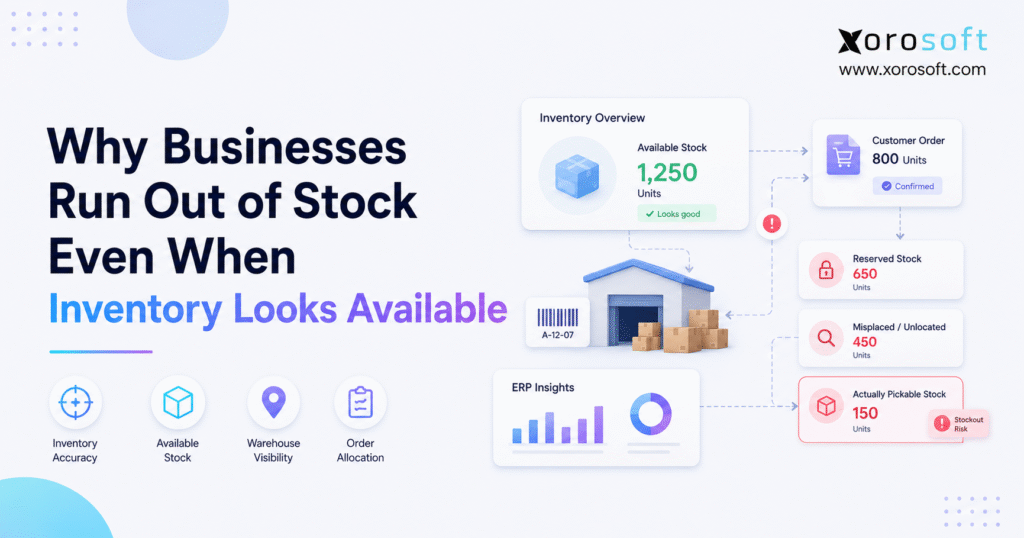
If you operate a business that manages stock, it’s important to understand the challenges caused by phantom inventory.
1. How Phantom Inventory Creates a Hidden Availability Gap
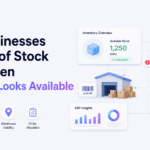
Phantom inventory causes businesses to run out of stock even when an inventory dashboard shows units available. At first, the number appears reassuring. However, the warehouse may not be able to find, pick, or ship those units. Consequently, the real problem is not always insufficient purchasing; instead, it is the gap between recorded inventory and fulfillable inventory.
For growing ecommerce brands, wholesalers, and manufacturers, that gap creates false confidence. Sales teams promise products because the system shows stock. Meanwhile, buyers delay replenishment because recorded quantities remain above the reorder point. Then, the warehouse discovers that units are missing, damaged, reserved, or stored elsewhere.
As a result, inventory accuracy affects fulfillment, customer service, cash flow, purchasing, accounting, and channel performance. Moreover, when teams stop trusting the central record, they create side spreadsheets and manual checks that make the wider record less reliable.
1.1 System Inventory vs Physical Inventory Accuracy
System inventory represents what software believes the business owns. By contrast, physical inventory represents what teams can actually count in warehouses, stores, production areas, and third-party logistics locations. Although those figures should match, every unrecorded movement creates another opportunity for drift.
For example, a supplier may short-ship an order while the receiver records the full quantity. Similarly, a picker may remove stock from the wrong bin without scanning it. In addition, a return may enter available stock before inspection. Consequently, the system number no longer reflects reality.
1.2 On-Hand Inventory vs Fulfillable Inventory
Operators should not use these inventory statuses interchangeably. Instead, each status should answer a different operational question.
| Inventory status | What it means | Why the number can mislead |
|---|---|---|
| On-hand inventory | Total quantity recorded across the business | It may include reserved, damaged, quarantined, or misplaced units |
| Available inventory | Quantity not yet deducted or committed in the system | A channel, customer, or open order may already expect those units |
| Allocated inventory | Stock assigned to a warehouse, channel, customer, or order | Another channel may still display the same units without synchronized rules |
| Fulfillable inventory | Stock that teams can pick, pack, and ship now | This number provides the strongest basis for customer promises |
| Available-to-promise inventory | Stock the business can promise after considering demand, supply, timing, and location | Weak lead-time or reservation data can still distort the answer |
Therefore, a positive on-hand balance does not automatically mean a product can ship. Instead, the business must subtract reservations, damaged goods, pending inspections, manufacturing demand, and location constraints before it presents availability to customers.
2. What Phantom Inventory Means in Daily Operations
Phantom inventory is stock that appears in an inventory system but does not physically or operationally exist in a sellable state. In other words, the software says “available,” while the warehouse says “not found.” Shopify similarly describes phantom stock as one result of inventory records drifting away from shelf reality, especially around receiving, storage, returns, transfers, and catalog management. Review Shopify’s inventory-error guidance for additional examples.
2.1 A Simple Phantom Inventory Example
For example, an apparel brand may report 500 jackets. However, 90 already belong to wholesale orders, 45 await return inspection, 60 remain in transit, and 25 cannot be found in their recorded bins.
Consequently, only 280 units may remain fulfillable. Yet, unless the system separates those states, Shopify, Amazon, sales representatives, and EDI customers may still draw from the original balance.
2.2 How Phantom Inventory Creates Hidden Stockouts
First, the inventory record overstates what the business can use. Next, the reorder point relies on that inflated balance. Because the recorded quantity stays above the threshold, purchasing does not reorder at the correct time. Eventually, the physical stock reaches zero even though the system still shows units available.
This problem can freeze replenishment. Research on inventory record inaccuracy explains that when system stock remains above a reorder point while physical stock falls to zero, the normal replenishment trigger may fail. As a result, the shortage continues until someone inspects or counts the item.
3. The Main Causes of Phantom Inventory and Hidden Stockouts
No single error creates every hidden stockout. Nevertheless, most incidents enter the inventory record at a small number of operational handoffs.
3.1 Receiving Errors Create Phantom Inventory
Receiving establishes the starting point for every downstream inventory transaction. Therefore, a wrong quantity, incorrect SKU, damaged shipment, or mistaken unit of measure can distort purchasing, sales, accounting, and warehouse decisions at once.
For instance, a vendor may ship 96 units against an order for 100. If the receiver closes it at 100, four phantom units appear immediately. Likewise, a wrong case-to-unit conversion can distort every later transaction.
3.2 Poor Put-Away Produces Ghost Inventory
An item may physically exist while remaining operationally unavailable. For example, a receiver may place a pallet in overflow storage but confirm a different bin in the system. Later, the picker visits the recorded bin, finds nothing, and reports a stockout.
Although the business owns the product, it cannot fulfill the order on time. Therefore, accurate put-away matters just as much as accurate receiving.
3.3 Picking and Packing Errors Create Inventory Discrepancies
A mispick often creates two errors at once. The SKU that leaves the warehouse becomes overstated if the system deducts another item. Meanwhile, the SKU that the system deducts becomes understated even though it remains on the shelf.
Consequently, one customer receives the wrong item while a later order faces a false stockout. Therefore, barcode verification should stop the error before shipment.
3.4 Returns Create False Stock Availability
Returns should pass through inspection before they re-enter sellable inventory. However, some workflows increase available quantity as soon as the refund starts. If the product arrives damaged, incomplete, or unsellable, the system has already created false availability.
Instead, teams should assign a sellable, damaged, quarantine, refurbishment, or vendor-return status. Then, only inspected units should increase available stock.
3.5 Shrinkage and Damage Reduce Inventory Accuracy
Inventory may disappear through theft, breakage, spoilage, misplacement, or handling damage. Nevertheless, a system cannot react to a loss that nobody records. Therefore, delayed adjustments leave phantom inventory in the available balance.
Similarly, expired or quarantined lots remain physically present but cannot support demand.
3.6 SKU Mapping Errors Create Phantom Stock
Catalog errors become especially costly in apparel, footwear, sporting goods, and consumer products. For example, one barcode may point to the wrong size, color, or pack configuration. Similarly, duplicate SKUs may split inventory across multiple records.
As a result, one variant may look available while another holds the actual stock. Therefore, clean item masters and unique barcodes form part of inventory control.
3.7 Bundle Errors Reduce Fulfillable Inventory
A bundle may appear available because the finished bundle record shows stock. However, one required component may already be depleted. Alternatively, the system may sell the bundle without deducting each component.
Consequently, both bundles and individual items can show misleading quantities. Therefore, availability should reflect the scarcest required component and deduct components when orders commit.
3.8 Manual Adjustments Hide Inventory Discrepancies
Manual adjustments can correct a record quickly. Nevertheless, they can also hide recurring process failures. If users change quantities without reason codes, approvals, or audit trails, managers cannot identify whether the underlying issue came from receiving, picking, shrinkage, returns, or system integration.
Therefore, every adjustment should include a reason, user, time, and location. Over time, the history reveals repeat failure patterns.
4. Why Multi-Channel Growth Creates False Stock Availability
As a company adds channels and locations, “available” becomes more complex. Shopify, Amazon, wholesale, EDI, retail, and manufacturing demand may compete for the same units. Meanwhile, warehouses and 3PLs may update at different speeds.
4.1 Channel Sync Delays Create Phantom Inventory
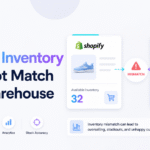
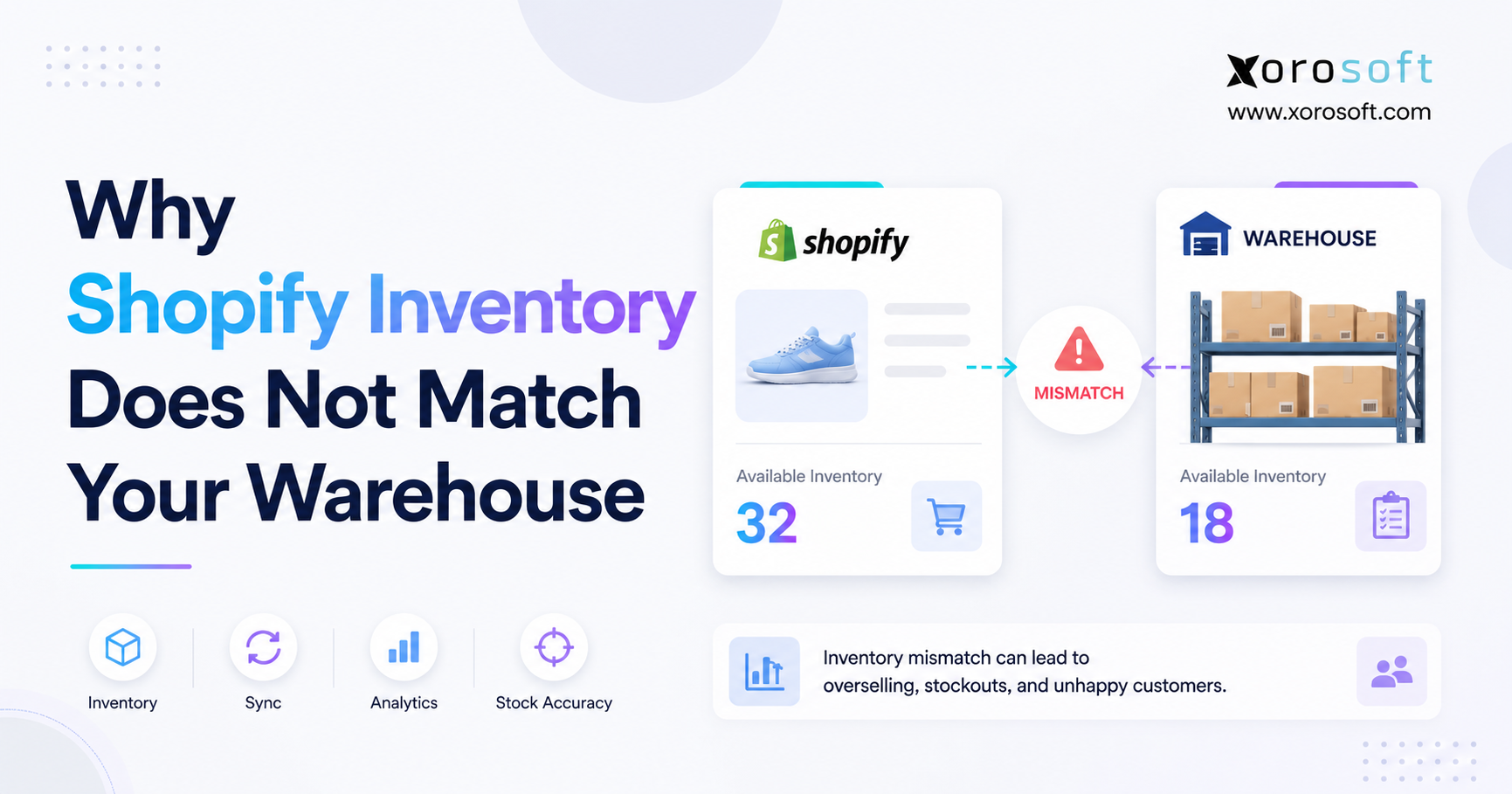
A channel may accept an order before another platform receives the inventory deduction. Consequently, the same final unit can appear available on Shopify and Amazon at the same time. Even a short sync delay becomes costly during promotions, launches, or viral demand spikes.
Therefore, multi-channel sellers need centralized reservation logic rather than independent channel counts. The central system should reserve stock as soon as an order becomes valid and then publish the updated availability to every connected channel.
4.2 Wholesale and EDI Orders Create Hidden Stockouts
Wholesale demand often arrives in larger blocks than direct-to-consumer demand. For example, one EDI order may reserve hundreds of units that ecommerce still displays as available. If deduction waits until picking or invoicing, other channels may oversell.
Instead, the business should reserve inventory when it accepts the order. In addition, operators may need separate inventory pools or allocation rules for strategic wholesale accounts, ecommerce, Amazon, and safety stock.
4.3 Location Gaps Reduce Fulfillable Inventory
A product may exist somewhere in the network without existing where the order needs it. For instance, a company may own 200 units nationally while the assigned warehouse has none. Although another location holds stock, a transfer may miss the promise or raise freight cost.
Consequently, order routing should evaluate stock by warehouse, cut-off time, shipping zone, order priority, and fulfillment capacity. Companywide inventory alone cannot support a reliable promise.
4.4 In-Transit Inventory Creates False Availability
Transfers and incoming purchase orders also require status discipline. A shipment marked “in transit” may face carrier delays, shortages, damage, or receiving backlogs. Therefore, the business should not treat it as immediately fulfillable.
Instead, planners should keep incoming and currently sellable inventory separate.
4.5 Disconnected Apps Weaken Inventory Accuracy
Many growing businesses use Shopify for ecommerce, QuickBooks for accounting, a warehouse app for fulfillment, spreadsheets for purchasing, and another platform for EDI. Each application may update inventory differently. Consequently, teams start comparing exports instead of executing from one trusted record.
At this stage, a connected operational layer becomes essential. For example, XoroONE brings inventory, accounting, purchasing, WMS, manufacturing, reporting, and ecommerce operations into one cloud platform. Its published capabilities also include real-time inventory, analytics, EDI, and ecommerce integrations.
5. The Business Cost of Phantom Inventory
Phantom inventory begins as a data error, but it quickly becomes an operating and financial problem. Moreover, the cost rarely stays inside the warehouse.
5.1 Phantom Inventory Causes Lost Sales and Refunds
When customers buy products the company cannot ship, the business may cancel, refund, or substitute. As a result, revenue falls after acquisition costs have already occurred.
5.2 Hidden Stockouts Increase Emergency Fulfillment Costs
Once teams discover a hidden shortage, buyers rush orders, warehouses expedite transfers, and service teams upgrade shipping. Consequently, the business pays a premium to correct a preventable error.
5.3 Inventory Discrepancies Distort Forecasting
Forecasting cannot compensate for unreliable inputs. If the system overstates inventory, replenishment starts late. Conversely, if the system understates inventory, purchasing may order unnecessary stock.
Therefore, inventory record accuracy should come before sophisticated forecasting. ECR Retail Loss reported that its research consistently found inaccuracies in more than 60% of inventory records, reinforcing the need for enterprise-wide accuracy practices. Read the inventory record accuracy research.
5.4 Phantom Inventory Creates Accounting Problems
Inventory affects cost of goods sold, gross margin, working capital, and the balance sheet. Consequently, an overstated inventory quantity can distort financial reporting while an understated quantity can hide assets or create unnecessary write-offs.
Moreover, finance cannot close efficiently while receipts, transfers, returns, and adjustments remain incomplete.
5.5 Inventory Accuracy Problems Waste Warehouse Labor
False availability also consumes labor because pickers search bins, supervisors investigate, and service teams manage delays.
6. How to Diagnose Phantom Inventory Before More Orders Fail
A business should not wait for the annual count to discover false stock. Instead, operators can use a structured diagnostic process that focuses first on high-impact SKUs and repeat failure points.
6.1 Find Failed Picks Caused by Phantom Inventory
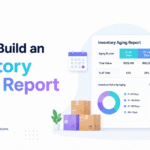
First, build a report of orders that failed even though the system displayed available stock. Then, classify each failure by root cause: item not found, damaged stock, wrong location, open reservation, transfer delay, receiving error, or channel oversell.
Therefore, this report directs attention toward the discrepancies that matter most.
6.2 Compare Physical, Available, and Fulfillable Inventory
Next, compare the physical count with on-hand, available, allocated, and committed balances. If those statuses do not reconcile, identify the transaction that created the difference.
For example, a cancelled pick may keep stock reserved. Alternatively, a return may raise on-hand quantity without raising sellable quantity. Consequently, each status tells a different story.
6.3 Prioritize High-Risk Inventory Accuracy Checks
Although every item matters, fast-moving, high-margin, seasonal, and expensive SKUs deserve more frequent counts.
6.4 Review Adjustment Codes for Inventory Discrepancies
Adjustment history should reveal patterns. For instance, repeated “item not found” adjustments in one warehouse may indicate weak put-away discipline. Similarly, frequent return corrections may expose a broken inspection workflow.
Therefore, managers should measure adjustment value, cause, user, warehouse, and SKU family. Consequently, the pattern identifies which process needs redesign.
6.5 Audit Transfers That Create False Stock Availability
Transfers create ambiguity when one location ships but another location does not receive promptly. Consequently, the same stock may sit in an in-transit state for days or weeks.
Therefore, teams should require scans at shipment and receipt. In addition, cut-off rules should clarify inventory ownership while goods remain in transit.
6.6 Measure Inventory Accuracy by Location and Channel
A companywide percentage can hide poor performance at one warehouse or channel. Therefore, operators should calculate inventory accuracy by warehouse, zone, SKU class, channel, and adjustment reason.
A field study covering roughly 24,000 SKUs across 11 grocery stores found that inventory audits produced an 11% store-wide sales lift, with the lift concentrated on products whose system inventory exceeded actual inventory. Consequently, targeted audits can support revenue, not just compliance.
7. How to Prevent Phantom Inventory With Better Operating Controls
The strongest solution combines disciplined processes, accurate warehouse execution, and connected systems. However, teams must still define each status change and handoff owner.
7.1 Standardize Receiving to Prevent Phantom Inventory
First, verify the SKU, quantity, unit, condition, tracking data, and destination. Next, keep stock unavailable until inspection and receipt finish. Finally, record shortages or damage against the supplier transaction.
7.2 Barcode Scanning Improves Inventory Accuracy
Barcode scanning should confirm every major warehouse handoff. As a result, the system records movement when work occurs rather than after a manual update.
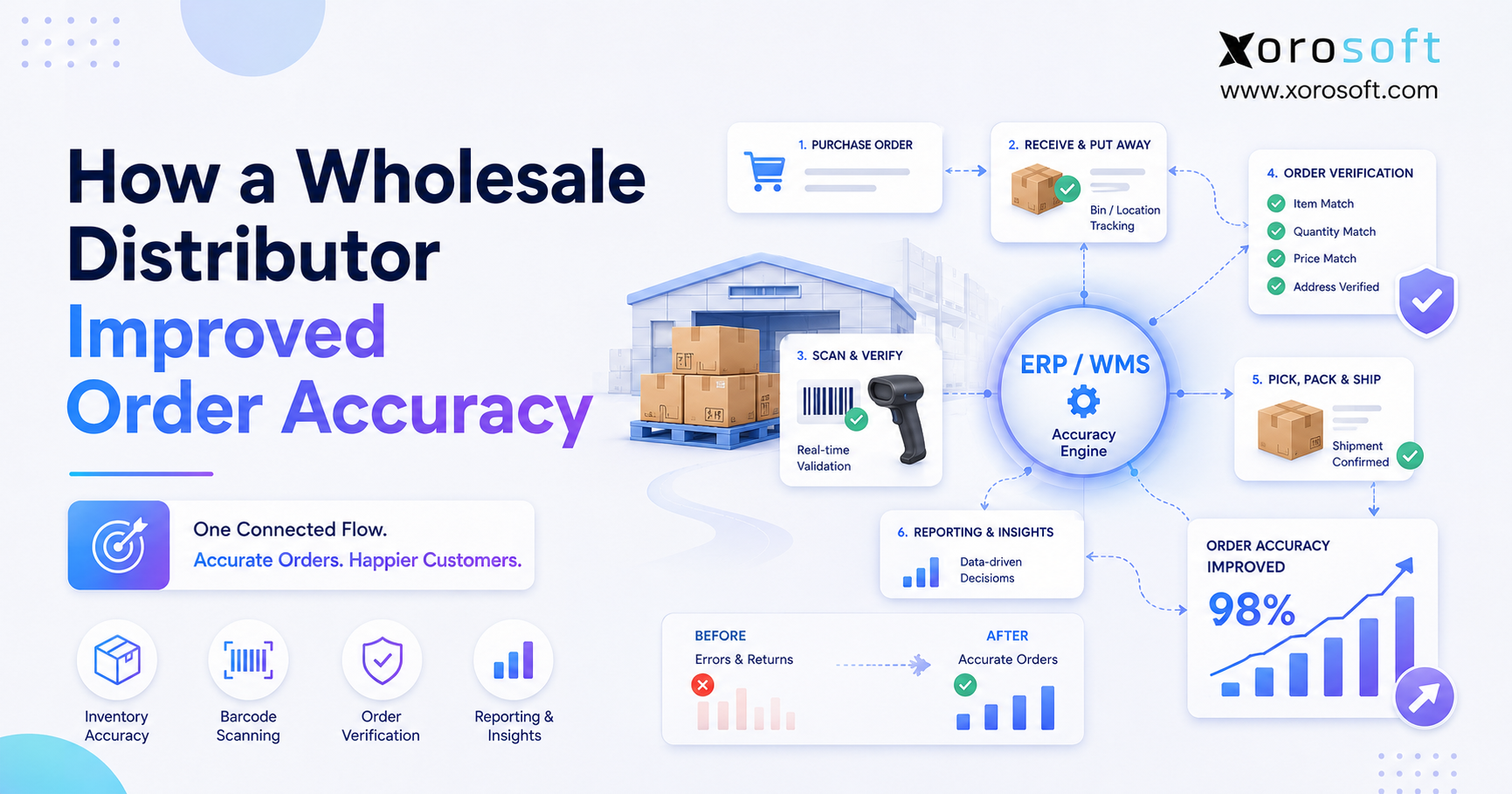
For businesses that need tighter warehouse execution, XoroWMS supports automated barcode scanning, system integration, and error checking across warehouse workflows. XoroWMS also supports barcode controls for receiving, put-away, picking, packing, shipping, transfers, and cycle counts.
7.3 Separate Inventory Statuses to Protect Fulfillable Inventory
A business should distinguish available, committed, allocated, damaged, quarantine, in-transit, and inspection stock. Otherwise, teams may treat every unit as sellable.
In addition, status changes should follow clear rules. For example, a return should not move to available until inspection passes, while a wholesale allocation should reduce the pool that ecommerce channels can sell.
7.4 Reserve Stock to Prevent Hidden Stockouts
Reservation timing must match the business model. For example, a Shopify order may reserve after payment, while wholesale or EDI demand may reserve after acceptance. Either way, the rule should remain consistent.
Consequently, every connected channel sees a realistic available balance. Moreover, cancellations should release reservations automatically so stock does not remain trapped.
7.5 Allocation Rules Reduce False Stock Availability
Some businesses should not expose every unit to every channel. Instead, operators may protect stock for marketplaces, strategic accounts, launches, stores, or replacements.
7.6 Cycle Counting Reduces Inventory Discrepancies
Cycle counting catches inventory drift before it creates large failures. Therefore, teams should count small groups throughout the year rather than relying only on an annual shutdown.
7.7 Accurate Replenishment Depends on Inventory Accuracy
Purchasing needs accurate on-hand, committed, incoming, and forecasted demand. Furthermore, buyers need supplier lead-time performance rather than static assumptions.
Once those data points connect, the system can recommend better reorder dates and quantities. Nevertheless, planners should review promotions, launches, seasonality, and unusually large wholesale demand.
7.8 One Source of Truth Prevents Phantom Inventory
When inventory, purchasing, accounting, warehouse operations, and ecommerce run in separate systems, each integration becomes a potential delay. Therefore, growing businesses often move toward a unified ERP and WMS model.
Xorosoft’s ERP solutions connect inventory across Shopify, Amazon, marketplaces, and wholesale while supporting operational visibility for retail, apparel, food and beverage, and industrial businesses. For Shopify merchants, the Xorosoft ERP listing in the Shopify App Store describes real-time inventory sync, multi-location management, forecasting, reporting, and stock reservation.
8. ERP, WMS, and Inventory Software for Better Inventory Accuracy
Different systems address different parts of the problem. Therefore, businesses should match the software layer to the actual failure.
| System | Primary responsibility | Best contribution to stockout prevention | Common limitation when used alone |
| Inventory application | Tracks quantities and basic item activity | Improves basic visibility and channel updates | May lack accounting, purchasing, warehouse depth, EDI, or manufacturing |
| WMS | Controls physical warehouse execution | Improves receiving, bins, scanning, picking, packing, and transfers | May not manage financials, demand planning, or enterprise purchasing |
| ERP | Connects orders, inventory, purchasing, accounting, and reporting | Aligns planning, commitments, replenishment, and financial truth | Requires disciplined warehouse execution and accurate transaction capture |
| Integrated ERP and WMS | Connects planning with physical movement | Creates a stronger source of truth from purchase order to shipment | Requires implementation governance, clean data, and process ownership |
8.1 When Basic Inventory Software Supports Inventory Accuracy
A smaller business with one channel, one warehouse, and simple purchasing may use basic inventory software. However, it still needs clean receiving, counting, and adjustment controls.
8.2 When a WMS Is Needed to Prevent Phantom Inventory
A WMS becomes valuable when the warehouse cannot explain where stock sits or which movement changed the balance. Therefore, multiple bins, frequent mispicks, transfers, and higher volume often justify WMS controls.
8.3 When Cloud ERP Improves Inventory Accuracy
A cloud ERP becomes relevant when inventory errors cross functional boundaries. For example, the warehouse may have accurate bins, but purchasing still works from spreadsheets and finance still reconciles a separate system. In that case, the business needs more than warehouse control.
XoroONE combines inventory management, purchasing, accounting, WMS, manufacturing, reporting, and ecommerce operations. Meanwhile, XoroERP supports operational management where manufacturing, inventory, procurement, warehousing, and financial activity must remain connected.
8.4 What to Evaluate Before Fixing Phantom Inventory
Before selecting software, map the failures that create false availability. Then, test real-time reservations, status controls, location visibility, barcode workflows, transfers, returns, forecasting, purchasing, and accounting integration.
In addition, review relevant Xorosoft case studies to see connected Shopify, wholesale, warehouse, purchasing, and accounting workflows across inventory-driven industries.
9. How Phantom Inventory Appears Across Inventory-Driven Industries
The mechanics remain similar across sectors; however, each industry creates different sources of risk. Therefore, operators should adapt controls to product characteristics, demand patterns, and fulfillment requirements.
9.1 Phantom Inventory in Apparel and Fashion
Apparel brands manage style, color, size, season, and collection combinations. Consequently, one mapping error can create false availability across channels, while uninspected returns add further risk.
9.2 False Stock Availability in Furniture Operations
Furniture businesses manage bulky products, long lead times, partial shipments, and warehouse constraints. For example, a sofa may exist but remain unsellable because a component is missing or damaged.
9.3 Hidden Stockouts in Sporting Goods
Sporting goods sellers face seasonality, bundles, and sudden demand. For example, a promotion may consume a component used by several kits. Consequently, each affected product can display false availability.
9.4 Inventory Accuracy Challenges in Food and Beverage
Food and beverage operations must manage lots, expiry dates, quality holds, spoilage, and first-expired-first-out rules. Although inventory may remain physically present, expired or quarantined lots cannot satisfy demand.
Therefore, availability should consider lot status and shelf life rather than quantity alone.
9.5 Phantom Inventory in Wholesale Distribution
Wholesale distributors manage large orders, EDI, customer commitments, and multi-warehouse allocation. Consequently, one accepted order can consume substantial stock before picking starts.
A reliable system should reserve the quantity immediately and then update every other channel.
9.6 Inventory Discrepancies in Manufacturing
Manufacturers balance materials, work in progress, finished goods, BOMs, and production orders. For example, a component may look available despite an open work order, while quality control may still hold finished stock.
For businesses evaluating industry-specific operating requirements, Xorosoft outlines relevant workflows across apparel, distribution, food and beverage, manufacturing, sporting goods, and other inventory-driven industries.
10. Signs Inventory Accuracy Problems Have Outgrown Your System
One isolated discrepancy does not automatically require a new system. However, repeated failures often show that operational complexity has exceeded the current stack.
10.1 Teams No Longer Trust Inventory Accuracy
When buyers, sales representatives, and warehouse managers maintain separate spreadsheets, the official record has lost authority.
10.2 Phantom Inventory Continues Despite Positive Availability
Recurring failed picks with positive inventory indicate a structural inventory accuracy problem.
10.3 Inventory Discrepancies Slow Month-End Reconciliation
If finance spends days resolving transfers, receipts, returns, and valuation differences, upstream workflows lack control.
10.4 Channel Growth Increases Hidden Stockout Risk
Shopify, Amazon, wholesale, EDI, retail, and 3PL growth increases transaction velocity.
10.5 Purchasing Relies on Inaccurate Inventory Data
Buyers need current demand, reservations, incoming supply, lead times, and forecasts.
11. Frequently Asked Questions About Phantom Inventory
11.1 What is phantom inventory?
Phantom inventory is stock that a system shows as available even though the business cannot sell or fulfill it. For example, units may be missing, damaged, reserved, in transit, stored in the wrong bin, or incorrectly recorded. Consequently, the dashboard displays a positive quantity while the warehouse faces a stockout.
11.2 Why does inventory look available when a product is out of stock?
The system may not have recorded the latest sale, reservation, transfer, damage, return, or warehouse movement. Alternatively, it may count units that exist physically but cannot ship. Therefore, businesses should compare on-hand, committed, allocated, and fulfillable quantities rather than relying on one total.
11.3 Is phantom stock the same as phantom inventory?
Yes, businesses commonly use phantom stock, ghost inventory, and phantom inventory to describe the same basic problem. Although terminology varies, each term refers to a mismatch where the system reports stock that operations cannot actually sell or fulfill.
11.4 What causes inventory discrepancies?
Receiving errors, incorrect put-away, mispicks, unrecorded damage, shrinkage, return mistakes, duplicate SKUs, bundle errors, and delayed integrations commonly create discrepancies. In addition, manual adjustments without reason codes can hide recurring process failures.
11.5 What is the difference between on-hand and available inventory?
On-hand inventory includes the total quantity recorded in the business. By contrast, available inventory usually excludes some committed or unavailable stock. However, definitions differ by system, so operators should document exactly how reservations, damaged units, transfers, and quality holds affect each balance.
11.6 What is fulfillable inventory?
Fulfillable inventory is the quantity the warehouse can pick, pack, and ship from the correct location within the promised time. Therefore, it excludes units that are damaged, missing, reserved, quarantined, in transit, or stored somewhere that cannot serve the order efficiently.
11.7 How does phantom inventory create stockouts?
False stock delays replenishment because the system believes enough units remain. Consequently, the reorder point may not trigger, channels may continue accepting orders, and purchasing may react only after physical inventory reaches zero.
11.8 Can Shopify show inventory that is not truly available?
Shopify can maintain location-level inventory, but connected systems, apps, marketplaces, 3PLs, and manual updates can introduce delays or mapping errors. Therefore, merchants should review integration timing, reservation rules, transfer status, and variant mappings whenever Shopify availability differs from warehouse reality.
11.9 How do Amazon and Shopify oversell the same inventory?
Overselling occurs when both channels display the final units before either receives the other channel’s order update. As a result, two customers can purchase the same stock. A central reservation system should reduce available quantity as soon as an order becomes valid.
11.10 How do wholesale orders affect ecommerce availability?
Wholesale orders often reserve large quantities. Therefore, accepted B2B and EDI orders should reduce the inventory that ecommerce channels can sell. Otherwise, Shopify or Amazon may continue offering stock that the business has already promised to a wholesale customer.
11.11 Can a product be in stock but not fulfillable?
Yes. A product may sit in the wrong warehouse, remain under inspection, belong to another order, or require a missing bundle component. Consequently, physical presence does not always equal operational availability.
11.12 How do warehouse bin errors cause hidden stockouts?
If workers place inventory in one bin but confirm another, pickers search the recorded location and find nothing. Although the product exists elsewhere, the order may fail. Barcode-confirmed put-away and bin transfers reduce this risk.
11.13 How do returns create false available inventory?
A return creates false availability when the system restocks it before inspection. If the item arrives damaged or incomplete, the quantity has already increased incorrectly. Therefore, returns should remain in a pending or quarantine status until the team confirms resale condition.
11.14 How often should a business perform cycle counts?
Frequency should reflect value, sales velocity, error history, and operational risk. For example, high-value or fast-moving A items may require weekly or monthly counts, while lower-risk items can follow a longer schedule. Most importantly, teams should count continuously rather than waiting for year-end.
11.15 Which inventory accuracy KPIs should operators track?
Useful KPIs include inventory record accuracy, failed picks with positive stock, adjustment value, stockout rate, order fill rate, cycle-count variance, reservation failures, transfer aging, and supplier lead-time variance. Together, these measures connect record quality with customer and financial outcomes.
11.16 Can forecasting solve phantom inventory?
Forecasting cannot correct inaccurate records by itself. Although it can predict demand, the recommendation will still rely on false stock balances. Therefore, businesses should improve transaction accuracy and status logic before expecting forecasting to prevent stockouts consistently.
11.17 Does more safety stock fix hidden stockouts?
More safety stock may absorb some uncertainty, but it can also hide broken processes and increase carrying costs. Instead, operators should identify why the system and physical stock differ. After improving accuracy, they can set safety stock based on demand and lead-time variability.
11.18 How does barcode scanning improve inventory accuracy?
Barcode scanning captures receiving, put-away, picking, packing, transfers, returns, and counts as the work occurs. Consequently, it reduces manual keying errors and creates a clearer audit trail. However, teams must still scan consistently and maintain accurate item and barcode data.
11.19 What role does a WMS play in preventing phantom inventory?
A WMS controls physical inventory movement inside warehouses. It can direct put-away, validate bins, confirm picks, manage transfers, and support cycle counts. Therefore, it helps the digital record follow the actual movement of goods.
11.20 How does ERP reduce stockout risk?
ERP connects inventory with sales orders, purchasing, accounting, forecasting, reporting, and other operational workflows. As a result, teams can evaluate reservations, incoming supply, warehouse stock, and financial impact from one system rather than reconciling separate applications.
11.21 When should a business replace spreadsheets?
A business should move beyond spreadsheets when order volume changes inventory faster than users can update files, teams keep conflicting versions, or purchasing depends on stale exports. Moreover, multi-warehouse, EDI, manufacturing, and multi-channel operations usually require stronger transaction controls.
11.22 How should businesses handle in-transit inventory?
Businesses should track in-transit stock separately from currently fulfillable inventory. Although incoming goods can support future promises, they should not support immediate delivery unless the expected arrival date and receiving capacity make that promise realistic.
11.23 What is available-to-promise inventory?
Available-to-promise estimates what the company can commit after considering current stock, existing demand, incoming supply, location, and timing. Therefore, ATP provides a stronger customer promise than a basic on-hand balance, provided the underlying data remains accurate.
11.24 What is the fastest way to diagnose phantom inventory?
Start with recent orders that failed despite positive stock. Next, compare physical quantity, available quantity, reservations, transfers, and adjustment history. Then, group failures by root cause so the team can fix the process creating the discrepancy.
11.25 Who needs an integrated ERP and WMS?
Businesses usually need integrated ERP and WMS capabilities when they manage multiple warehouses, high order volume, Shopify and Amazon, wholesale or EDI, complex purchasing, manufacturing, or difficult month-end reconciliation. Conversely, a simple single-location operation may not need that depth yet.
12. Turn Inventory Availability Into a Promise Operations Can Keep
Phantom inventory does not begin when a customer complains. Instead, it begins earlier—when a receipt, put-away, reservation, return, transfer, or channel update fails to match physical reality. Therefore, the most effective response combines accurate transaction capture, clear inventory statuses, continuous counting, disciplined reservations, and connected operational data.
More stock alone will not solve the problem. On the contrary, extra purchasing can tie up cash while false availability remains. However, when teams can distinguish on-hand, available, allocated, and fulfillable inventory, they make stronger promises and replenish at the right time.
For growing ecommerce brands, wholesalers, distributors, and manufacturers, Xorosoft provides a connected approach across cloud ERP, purchasing, accounting, inventory management, warehouse execution, forecasting, Shopify, Amazon, EDI, and multi-warehouse operations. To review how those workflows would fit your operation, Book a Demo and start with the inventory processes that currently create the most risk.