How Backend Complexity in Modern Commerce Starts
Modern commerce looks effortless to customers.
A shopper places an order online, receives a shipping confirmation, and expects fast delivery. However, behind that experience is a highly connected operational system managing inventory, warehouses, purchasing, fulfillment, accounting, and multiple sales channels simultaneously.
The backend complexity in modern commerce has become one of the biggest operational challenges for growing ecommerce and omnichannel brands.
Many companies begin with a lightweight tech stack:
- Shopify for ecommerce
- QuickBooks for accounting
- spreadsheets for purchasing
- separate inventory tools
- warehouse software for fulfillment
At first, these systems appear efficient. However, operational complexity grows quickly as businesses scale and add new sales channels.
What once worked for a small ecommerce business eventually creates disconnected workflows, reporting delays, inventory inaccuracies, and operational bottlenecks.
As a result, many growing brands realize they are no longer struggling with sales growth. Instead, they are struggling with backend operational complexity.
Why Multi-Channel Commerce Creates Operational Complexity
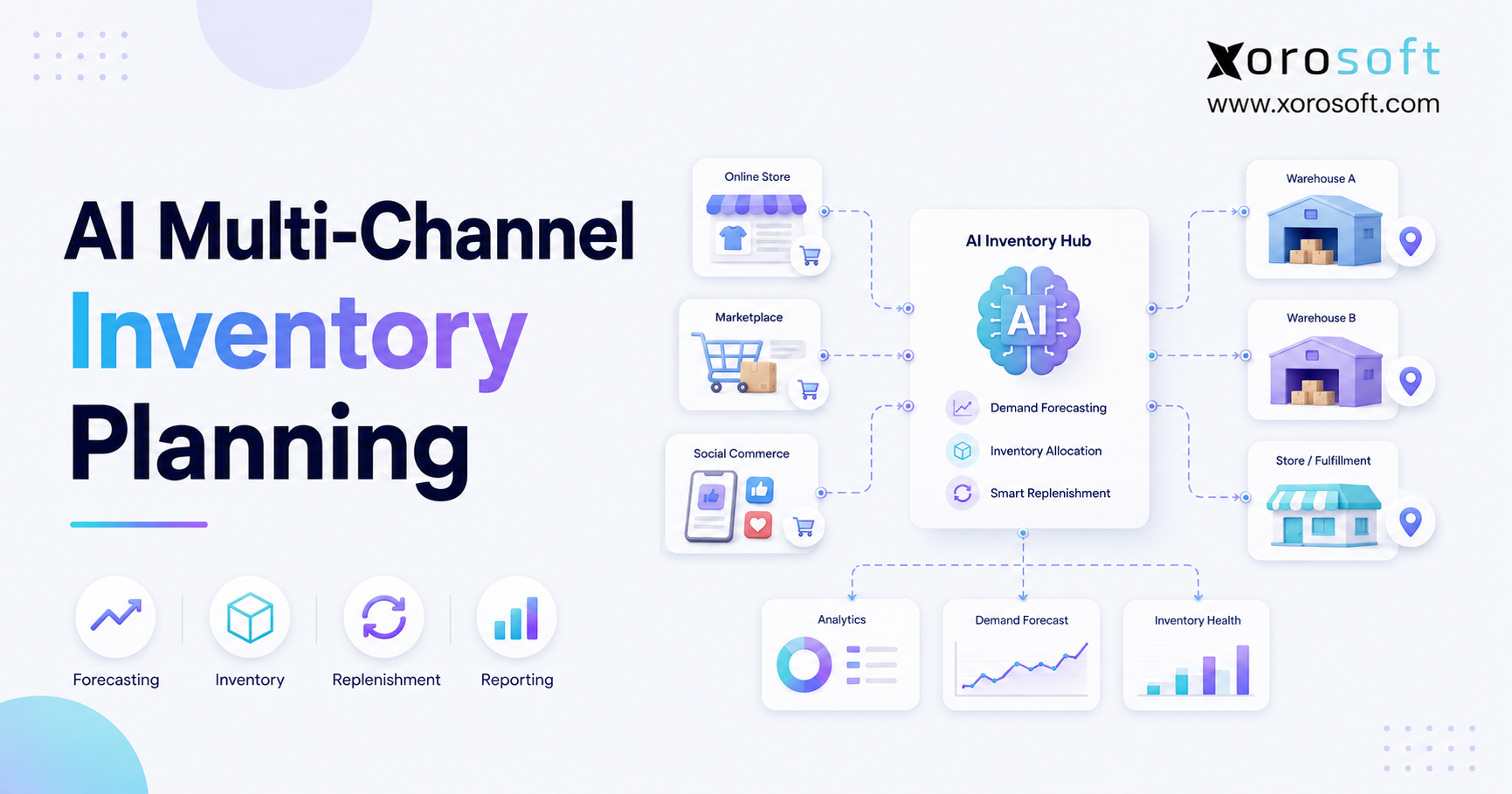
The backend complexity in modern commerce increases because businesses rarely sell through a single channel anymore.
Today’s brands often operate across:
- Shopify stores
- Amazon
- wholesale accounts
- retail locations
- B2B portals
- third-party logistics providers
- social commerce platforms
Each channel introduces different operational requirements.
In other words, every new sales channel adds another layer of operational coordination.
For example, inventory allocation rules may vary between wholesale and ecommerce orders. Similarly, shipping workflows often differ across warehouses and fulfillment providers. In addition, accounting teams usually require separate reporting structures for each sales channel.
As companies scale, these operational layers become difficult to manage through disconnected systems.
At the same time, reporting requirements also become more demanding.
In many cases, businesses attempt to solve the problem by adding more software. Unfortunately, this often creates even more fragmentation.
A company may add:
- a warehouse management tool
- an inventory planning platform
- spreadsheets for procurement
- separate analytics dashboards
- custom integrations between systems
Although these tools solve short-term problems, they usually create long-term operational complexity.
Consequently, disconnected systems force teams to manually reconcile information across departments. As a result, inventory visibility decreases while operational inefficiencies increase.
Inventory Management Becomes Harder at Scale
Inventory-driven businesses operate in a constantly changing environment.
Products move through multiple operational stages every day:
- purchasing
- receiving
- transfers
- picking
- packing
- returns
- adjustments
- replenishment
- fulfillment
Meanwhile, each inventory movement must stay synchronized across systems.
As inventory volume increases, backend complexity in modern commerce becomes much harder to manage manually.
As a result, small errors quickly create larger operational problems.
For example:
- incorrect inventory counts create overselling
- delayed stock updates create fulfillment issues
- spreadsheet errors create purchasing mistakes
- disconnected warehouse systems create stock discrepancies
Many growing companies discover that inventory problems are not caused by warehouse staff alone. Instead, the issue often comes from fragmented operational systems that cannot synchronize inventory in real time.
Because of this, centralized inventory visibility becomes critical for scaling commerce operations.
Solutions like XoroONE help brands unify inventory, purchasing, fulfillment, and operational workflows inside one connected environment.
Growing Brands Often Outgrow Their Original Systems
Most ecommerce companies do not experience backend operational problems immediately.
In the early stages, founders can manage operations manually because complexity remains relatively low.
A typical workflow may look manageable:
- Shopify processes orders
- QuickBooks tracks finances
- spreadsheets handle purchasing
- warehouse teams fulfill orders manually
However, backend complexity in modern commerce increases rapidly once the business expands into additional channels or warehouse locations.
Consider a growing apparel brand.
The company initially operated through a single Shopify store with one warehouse team. Over time, the business expanded into:
- wholesale distribution
- Amazon sales
- multiple fulfillment locations
- seasonal inventory planning
- international shipping
To support growth, the company added additional operational tools.
At first, the new systems improved efficiency. Eventually, however, operational visibility became fragmented.
Inventory numbers stopped matching across systems.
Consequently, operational teams spent more time fixing errors than improving workflows.
Warehouse teams lacked accurate stock visibility.
Finance departments spent hours reconciling transactions manually.
Purchasing teams relied on outdated spreadsheets to forecast inventory demand.
Customer service teams struggled to answer simple order status questions accurately.
The business continued growing revenue, but backend operational complexity increased faster than the company’s systems could support.
Consequently, this pattern is extremely common among modern ecommerce and omnichannel brands.
How Disconnected Systems Affect Daily Operations
The backend complexity in modern commerce affects much more than operations teams.
Over time, disconnected systems create challenges across inventory management, fulfillment, accounting, purchasing, and executive decision-making.
Inventory Accuracy Declines
In many cases, inventory inaccuracies are one of the first warning signs of backend operational fragmentation.
When inventory exists across disconnected systems:
- stock counts drift out of sync
- sales channels display incorrect inventory
- warehouse transfers create discrepancies
- overselling becomes more frequent
As a result, fulfillment reliability decreases and customer trust suffers.
In contrast, brands with centralized systems can respond to operational issues much faster.
For inventory-driven companies, inventory accuracy directly affects profitability and operational stability.
Purchasing Decisions Become Reactive
Purchasing teams depend on accurate operational data to forecast demand and manage replenishment.
However, fragmented systems make forecasting significantly harder.
Because of this, purchasing teams often make decisions using incomplete data.
Without centralized visibility, businesses often experience:
- stockouts
- excess inventory
- delayed replenishment
- poor purchasing decisions
- inefficient cash flow allocation
Many companies continue relying on spreadsheets because their systems cannot provide unified operational reporting.
Unfortunately, spreadsheets become increasingly unreliable as operational complexity grows.
Warehouse Operations Become More Difficult
Meanwhile, warehouse complexity increases quickly as businesses expand into multiple channels and fulfillment locations.
Disconnected systems often create:
- inconsistent pick lists
- delayed inventory updates
- inaccurate stock allocations
- inefficient warehouse transfers
- fulfillment delays
Over time, warehouse teams spend more effort correcting operational issues instead of improving efficiency.
Similarly, fulfillment efficiency often declines as operational complexity increases.
This is why many growing brands implement centralized warehouse management systems like XoroWMS to improve warehouse visibility and operational coordination.
Financial Reporting Slows Down
In addition, finance teams are heavily affected by backend operational fragmentation.
When inventory, sales, and accounting systems operate independently, reporting accuracy declines.
For this reason, finance teams frequently rely on manual reconciliation processes.
As a result:
- reconciliation becomes manual
- inventory valuation becomes inconsistent
- financial reports take longer to produce
- profitability visibility decreases
Many operators underestimate how connected inventory operations are to financial reporting accuracy.
In reality, inventory inaccuracies often create accounting inconsistencies across the organization.
Leadership Loses Confidence in Reporting
Backend complexity in modern commerce also impacts executive decision-making.
Founders and operators begin asking difficult questions:
- Which SKUs are actually profitable?
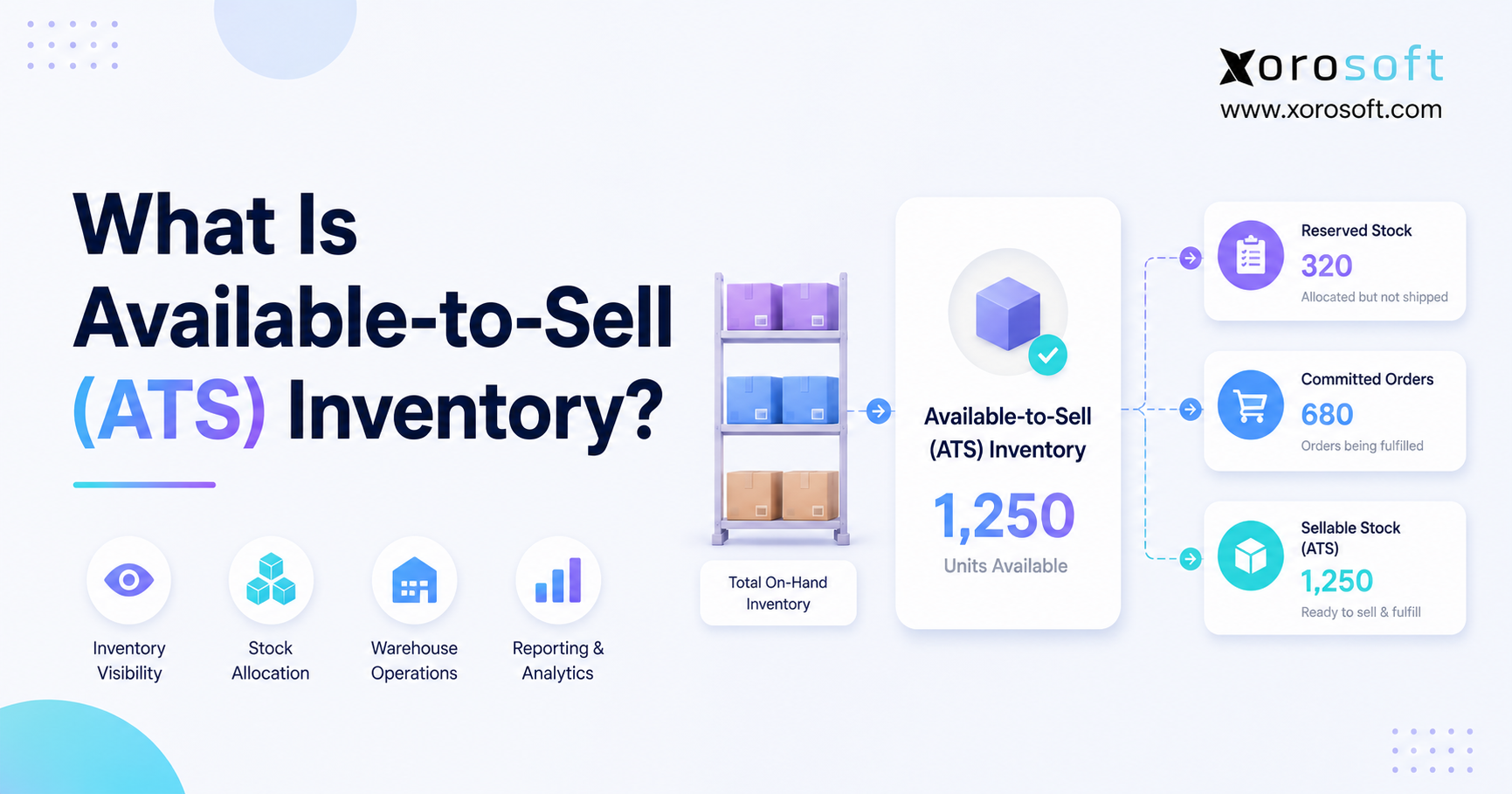
- Which inventory is truly available?
- Which warehouse creates the most delays?
- What products should be reordered first?
- Why do reports differ between systems?
When teams no longer trust operational data, decision-making slows significantly.
Eventually, fragmented systems become a growth limitation rather than a growth enabler.
How Modern Brands Build Unified Operations
Therefore, modern operators are increasingly redesigning backend operations around centralized systems and connected workflows.
The goal is not simply adding more software.
Instead, the goal is creating operational alignment across the business.
Today’s leading commerce companies prioritize:
- centralized inventory visibility
- integrated purchasing workflows
- connected warehouse operations
- automated fulfillment processes
- unified financial reporting
- real-time operational data
This operational model reduces manual reconciliation while improving visibility across departments.
For example, when inventory updates automatically across ecommerce, wholesale, warehouses, and accounting systems, teams can make faster and more accurate decisions.
As a result, operational bottlenecks become easier to identify and resolve.
Similarly, integrated purchasing and fulfillment workflows help companies reduce delays, improve forecasting, and optimize inventory allocation.
This is where modern ERP infrastructure becomes increasingly valuable.
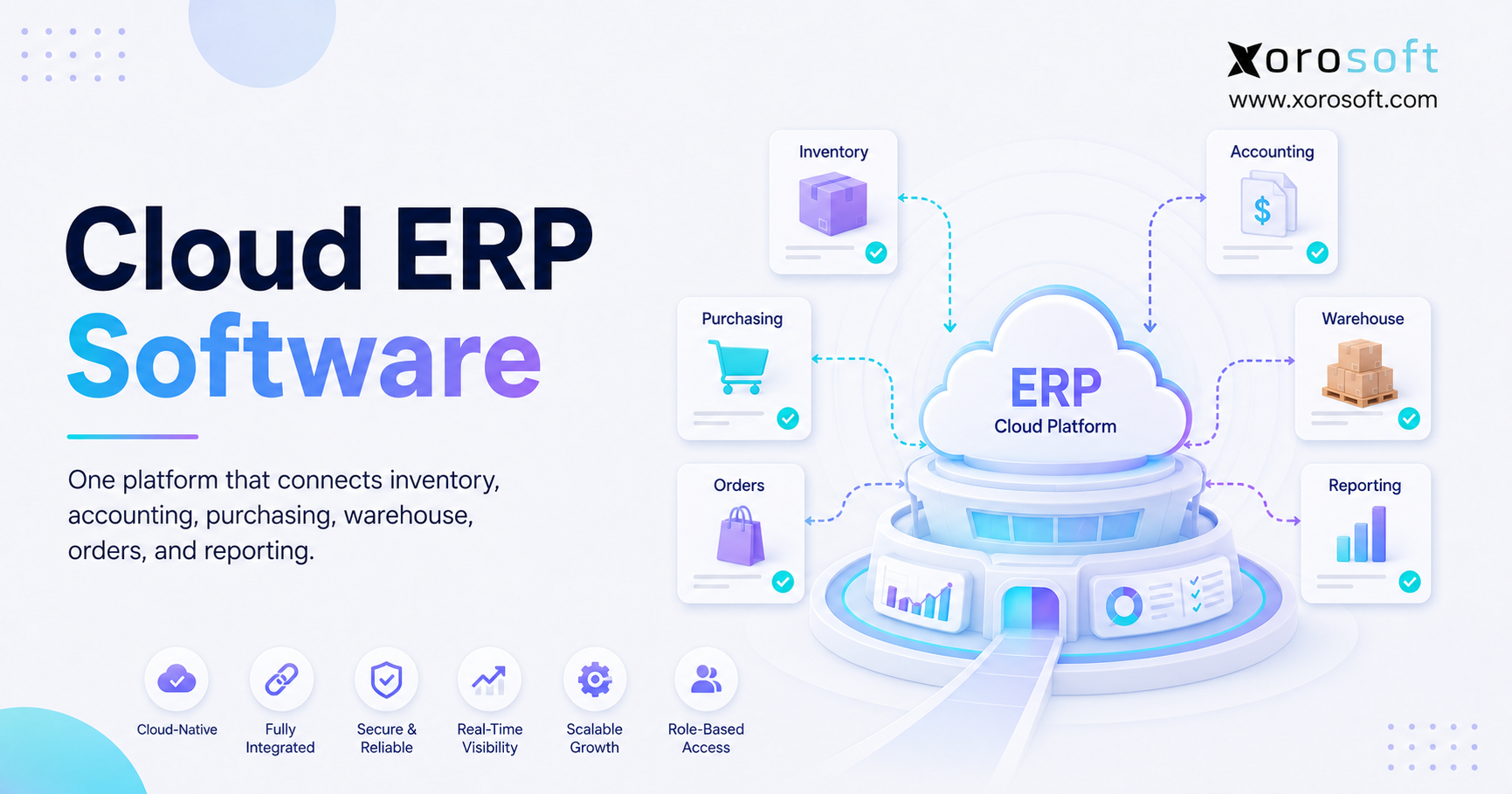
Platforms like XoroERP help inventory-driven businesses centralize operational data across ecommerce, wholesale, warehouse management, purchasing, accounting, and fulfillment.
Instead of operating through disconnected tools, companies can manage operations through one connected operational backbone.
In addition, brands selling on Shopify often integrate ERP systems directly through solutions available in the Shopify App Store to improve inventory synchronization and backend operational visibility.
ERP Systems Reduce Backend Complexity in Modern Commerce
Ultimately, ERP systems are designed to solve the backend complexity in modern commerce by connecting operational workflows across the business.
Instead of treating inventory, fulfillment, accounting, and purchasing as separate functions, ERP platforms unify these processes inside one centralized system.
In addition, unified systems improve collaboration between departments.
This creates several operational advantages.
Centralized Inventory Visibility
Modern ERP systems provide real-time inventory visibility across channels and warehouse locations.
As a result, businesses can reduce:
- overselling
- inventory discrepancies
- fulfillment delays
- manual stock adjustments
Accurate inventory visibility improves customer experience while strengthening operational planning.
Integrated Operational Workflows
ERP platforms connect workflows between departments automatically.
For example:
- purchase orders update inventory visibility
- warehouse receipts update stock counts
- shipped orders update financial records
- fulfillment activity syncs with accounting
Integrated workflows eliminate much of the manual reconciliation work created by disconnected systems.
Scalable Operational Infrastructure
As businesses grow, backend operational complexity increases rapidly.
Therefore, ERP systems help companies scale by creating:
- standardized operational workflows
- centralized reporting
- automated inventory synchronization
- connected warehouse operations
- unified financial visibility
Instead of continuously adding disconnected software, companies build a scalable operational foundation that supports long-term growth.
Reducing Backend Complexity in Modern Commerce Creates Scalable Growth
Modern commerce growth depends on more than storefront technology.
As ecommerce, wholesale, retail, and fulfillment operations expand, backend complexity in modern commerce increases rapidly. Consequently, disconnected systems often create inventory inaccuracies, reporting delays, warehouse inefficiencies, and operational blind spots.
Modern brands are solving these challenges by centralizing inventory, fulfillment, purchasing, warehouse management, and financial reporting inside unified operational systems.
As a result, companies gain better visibility, stronger operational control, and improved scalability.
If your business is experiencing operational fragmentation across inventory, fulfillment, accounting, or warehouse management, it may be time to rethink your operational foundation and book a demo to explore a more connected operational approach.