Why Brands Outgrow QuickBooks as They Scale
In the early stages of building a business, tools like QuickBooks feel more than sufficient. They are simple, accessible, and effective for managing basic financial operations.
However, as companies grow, operational complexity increases significantly. As a result, many founders begin to realize they outgrow QuickBooks much earlier than expected.
This shift does not happen overnight. Instead, it happens gradually as more systems, channels, and workflows are introduced into the business.
Because of this, what once felt like a reliable system starts becoming a limitation.
Challenges of Multi-Channel Operations at Scale
As brands expand into multiple sales channels, operational complexity increases rapidly. For example, businesses often start selling across ecommerce platforms, marketplaces, and wholesale channels simultaneously.
However, QuickBooks is not designed to manage multi-channel operations. Instead, it relies on integrations and manual inputs.
As a result:
- Orders flow in from different systems
- Pricing varies across channels
- Fulfillment workflows become inconsistent
Meanwhile, many businesses explore tools through platforms like the
👉 Shopify App Store
However, adding more tools often creates more fragmentation rather than solving the core issue.
How Growing Ecommerce Brands Start to Outgrow QuickBooks
As businesses scale, they begin layering additional tools on top of QuickBooks.
For example:
- Spreadsheets for inventory tracking
- Separate tools for warehouse operations
- Apps for order management
At first, this approach seems manageable. However, as operations grow, these systems stop communicating effectively.
Because of this, teams start working across disconnected platforms.
As a result, businesses outgrow QuickBooks not because of accounting limitations alone, but because of operational fragmentation.
Operational Challenges After You Outgrow QuickBooks
Once companies outgrow QuickBooks, several operational issues begin to surface.
Inventory Becomes Unreliable
Inventory data is often spread across multiple systems. Therefore, stock levels become inconsistent and unreliable.
As a result, businesses face:
- Overselling
- Stockouts
- Excess inventory
Financial Reporting Becomes Delayed
Finance teams depend on manual reconciliation between systems. However, this process is time-consuming and error-prone.
Because of this:
- Reports are delayed
- COGS becomes inaccurate
- Profitability is harder to track
Warehouse Operations Become Inefficient
As order volume increases, warehouse complexity also grows. However, QuickBooks does not support warehouse workflows.
As a result:
- Picking errors increase
- Fulfillment slows down
- Returns become harder to manage
If you’re dealing with warehouse inefficiencies, a dedicated
👉 warehouse management system
can significantly improve operational flow.
Procurement Becomes Reactive
Without proper system integration, purchasing decisions are often based on incomplete data.
Because of this:
- Reorder points are inaccurate
- Supplier timelines are unclear
- Cash flow is impacted
What Smart Companies Do After They Outgrow QuickBooks
Instead of continuing to add more tools, modern companies rethink their entire system architecture.
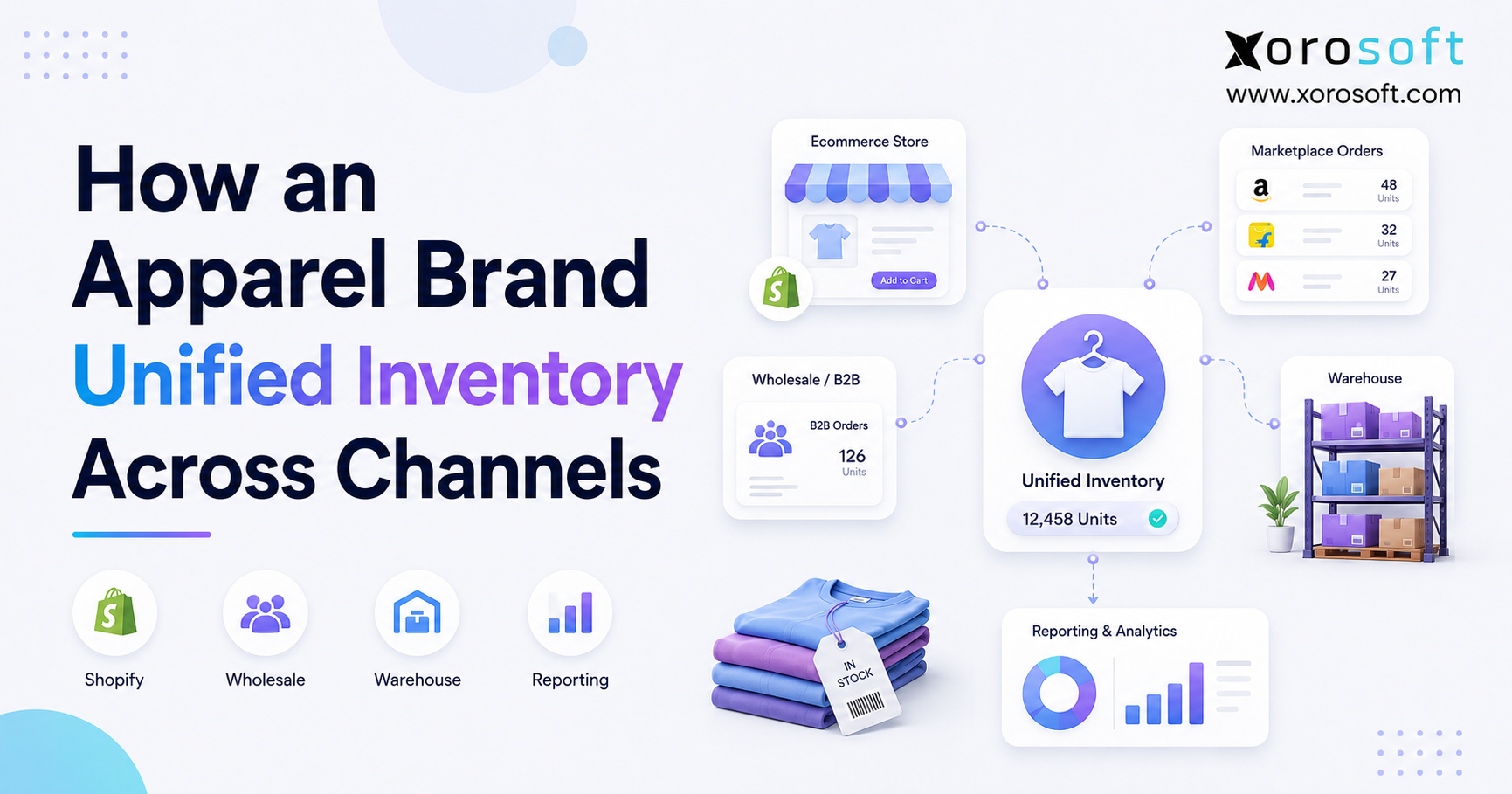
First, they focus on building a single source of truth. This means inventory, orders, and financial data all live within one system.
In addition, they prioritize real-time visibility. As a result, teams can make faster and more accurate decisions.
Moreover, they connect all operational workflows, including:
- Inventory management
- Order processing
- Procurement
- Fulfillment
Because of this shift, businesses reduce manual work and improve efficiency.
Many brands also evaluate systems through platforms like
👉 G2 ERP rankings
to understand which solutions are easiest to use and scale with.
How ERP Systems Replace QuickBooks for Growing Brands
When companies outgrow QuickBooks, they do not just need better accounting—they need operational control.
This is where ERP systems come in.
Unlike standalone tools, ERP platforms unify all core functions into one system.
For example:
- Inventory updates happen in real time
- Orders are managed centrally
- Financial data reflects actual operations
As a result, businesses eliminate the need for constant reconciliation.
A modern
👉 ERP system for scaling brands
connects operations, finance, and inventory into a single workflow.
In addition, platforms that act as a
👉 unified operations platform
allow teams to operate without switching between multiple tools.
Because of this, visibility improves across the organization.
What to Do When You Outgrow QuickBooks
If your business has started to outgrow QuickBooks, it is a clear signal that your operations have become more complex.
However, continuing to rely on disconnected systems will only create more inefficiencies. As a result, inventory issues, reporting delays, and operational bottlenecks will continue to grow.
Instead, modern brands move toward unified systems that bring everything together.
Ultimately, this shift allows businesses to scale without losing control.
If you want to understand how this transition works in practice, you can
👉 Book a demo
and explore how connected systems support long-term growth.