You Don’t Have a Conversion Problem. You Have an Operations Problem.
Most fast-growing ecommerce brands don’t have a conversion issue—they have an operations issue that only an omnichannel operations platform can solve. As demand rises, disconnected systems, spreadsheets, and manual workflows begin to break down. Because teams work across too many tools, mistakes occur more often, fulfillment slows, and cash flow becomes unpredictable. And since Xorosoft supports DTC, wholesale, and omnichannel brands daily, we consistently see the same pattern: growth isn’t the real problem—your operations architecture is.
Although many leaders try optimizing ads, email flows, creative, or CRO tactics first, these fixes rarely address the underlying friction. Instead, brands experience chaos because their internal systems cannot handle the scale they’re pushing toward. This shift is why more companies adopt a modern, cloud-native omnichannel operations platform early—before cracks turn into structural failures.
Why an Omnichannel Operations Platform Becomes Essential for Scaling
Most brands start with lightweight processes that feel efficient at first. However, as order volume rises, each disconnected workflow begins creating friction. For example, inventory updates become inconsistent, warehouse teams rely on tribal knowledge, and accounting receives late or incomplete data. Since these issues compound quickly, they slow growth even when demand remains strong.
Because information lives in multiple systems—Shopify, Amazon, spreadsheets, shipping tools, accounting apps—teams spend more time reconciling data than running operations. Ultimately, decisions become slower, errors increase, and the organization becomes reactive rather than proactive. This is precisely when a unified omnichannel operations platform like Xorosoft ERP provides the structure needed to regain control.
Operational Chaos Caused by Disconnected Retail Systems
When ecommerce and retail teams operate across separate tools, manual work becomes unavoidable. For instance, each platform updates inventory independently, which makes it difficult for teams to trust stock levels. Additionally, API delays between apps create timing differences that surface as order errors. Meanwhile, purchasing teams base decisions on estimates rather than accurate, real-time data.
Consequently, miscommunications rise, backorders increase, and customer experience declines—even though overall demand remains strong. Because the system isn’t unified, every team sees a different version of the truth.
Inventory Accuracy Challenges in Omnichannel Environments
Inventory becomes unreliable when channels aren’t synchronized. As a result, teams face stockouts, overselling, and fulfillment delays. Since spreadsheets require manual updates, they fall out of sync the moment a sale occurs. Eventually, leadership loses confidence in the numbers, and decision-making slows.
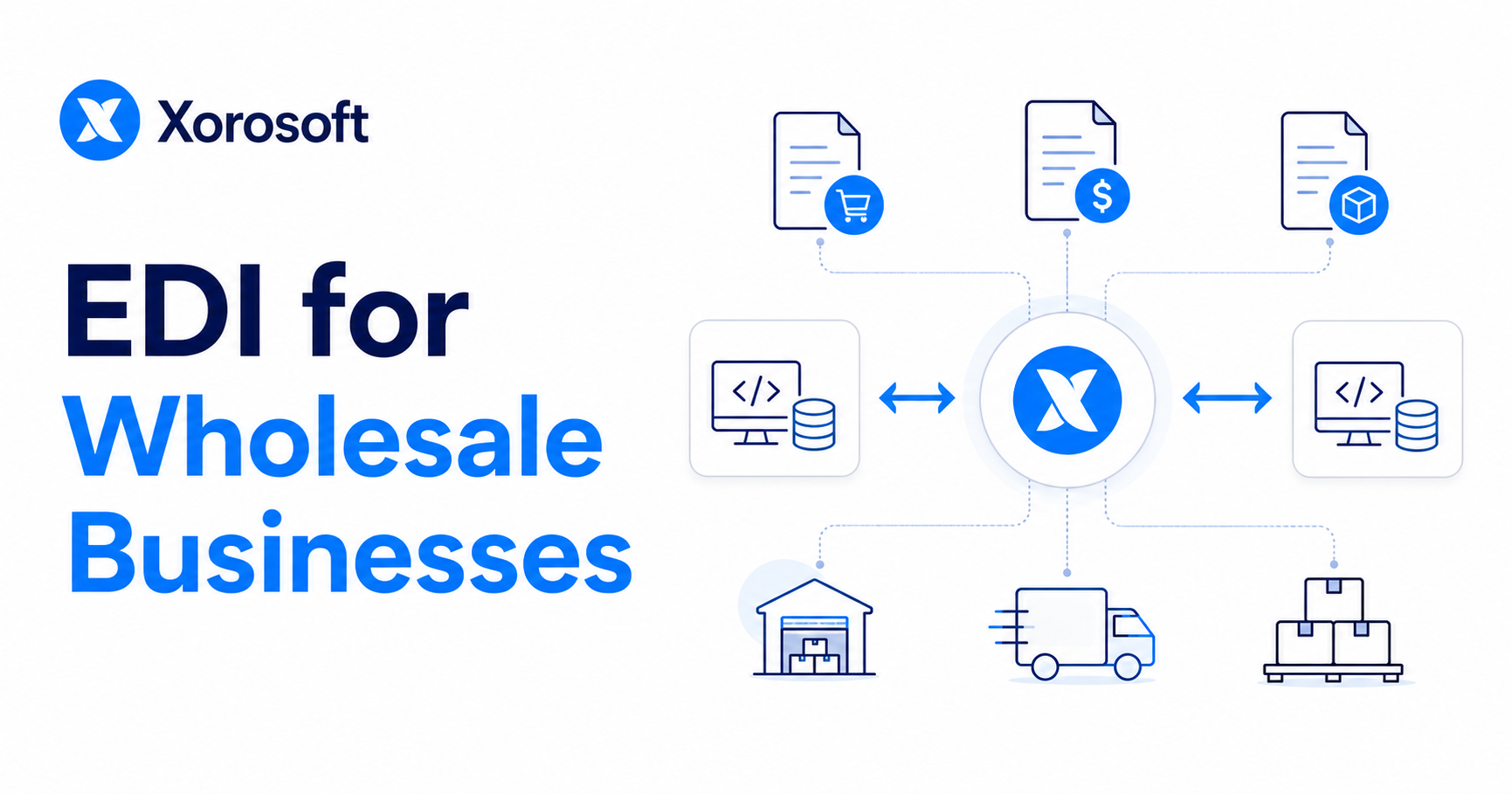
However, with an omnichannel operations platform, inventory updates instantly. And because Xorosoft includes native Shopify, Amazon, EDI, and 3PL integrations, stock accuracy becomes consistent across all selling channels.
Warehouse Inefficiencies and the Need for a Unified Operations System
Warehouse teams often rely on tribal knowledge—unwritten steps that only experienced staff know. However, as volume increases or new employees join, variation in workflow causes mistakes. Without barcode scanning, warehouse maps, guided picking, or standardized processes, accuracy declines quickly.
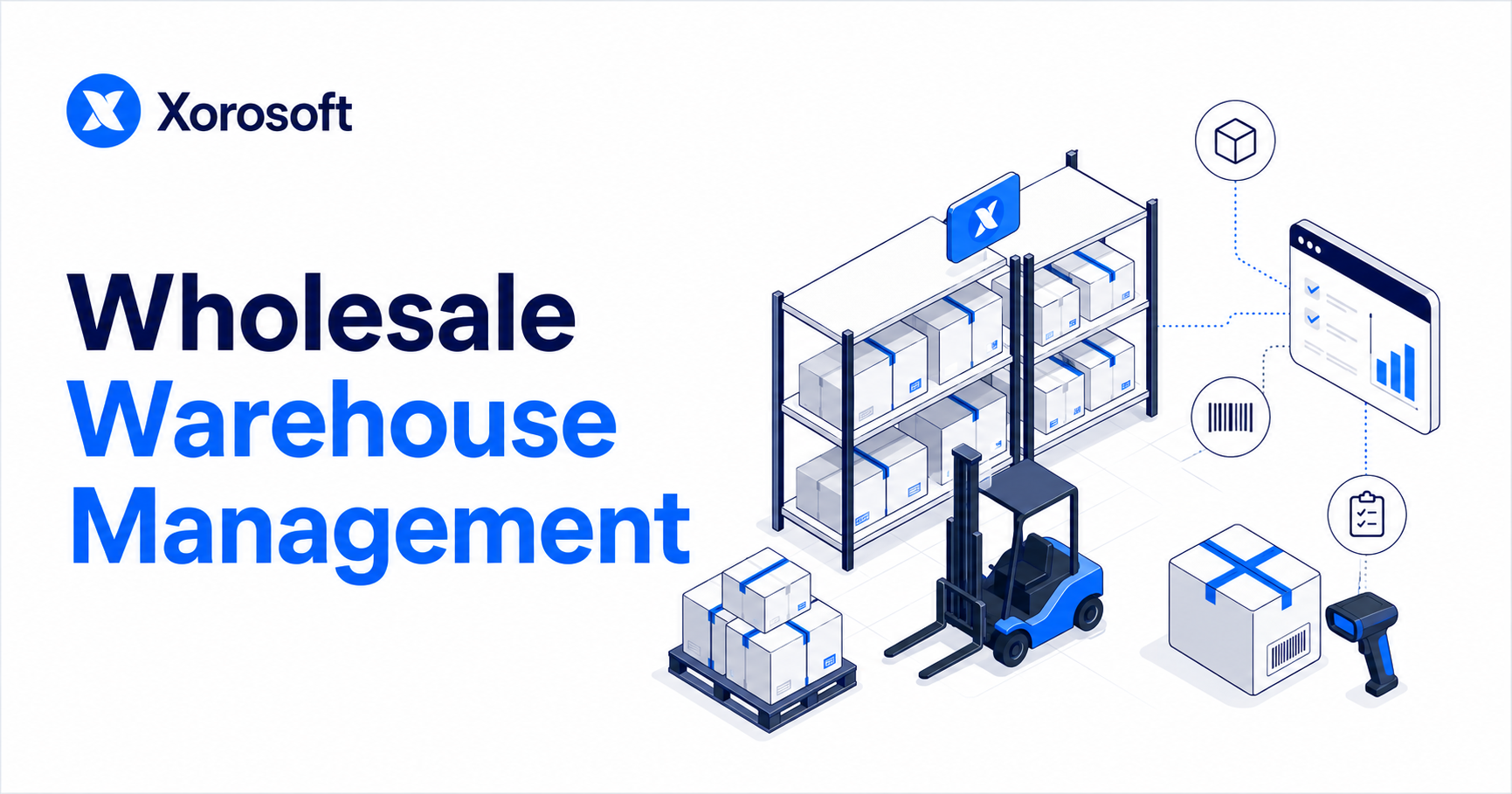
With a built-in WMS inside Xorosoft, brands eliminate guesswork. Because every movement is scanned, tracked, and verified, operations run the same way every time, regardless of who completes the task.
Why Financial Visibility Improves with Integrated Operations Platforms
Accounting teams frequently operate downstream from operations. Therefore, they receive late inventory adjustments, delayed purchase orders, or inconsistent COGS data. And because financial visibility impacts cash conversion cycles, small delays create big consequences.
By using a unified omnichannel operations platform, financial data updates automatically as operations occur. As a result, AP, AR, landed cost, and margin insights remain accurate, giving leadership real-time clarity.
How a Cloud-Native Omnichannel Operations Platform Reduces Complexity
Cloud-native systems offer real-time data, faster implementation, and easier scaling. Instead of stitching together point tools, brands gain a single operational backbone across inventory, purchasing, warehouse, accounting, and fulfillment. Consequently, the entire organization works from one source of truth.
Because Xorosoft is cloud-native and API-rich, businesses integrate dozens of apps without adding operational overhead. Additionally, real-time dashboards help teams identify issues early, reducing risk as volume increases.
Operational KPIs That Improve with a Unified Retail Operations Platform
To understand the stability of an operation, brands must track the following KPIs:
-
Pick and pack accuracy: Ensures orders are correct on the first attempt
-
Order cycle time: Measures how quickly orders move through fulfillment
-
Cash conversion speed: Indicates working capital efficiency
-
Inventory turns: Reveals how quickly stock moves
-
On-time fulfillment rate: Shows how consistently the brand keeps its promise
These metrics expose bottlenecks and highlight where the system struggles. Because an omnichannel operations platform synchronizes all processes, these KPIs improve naturally.
Seven Process Improvements Enabled by an Omnichannel Operations Platform
1. Unify All Channels
By combining Shopify, Amazon, wholesale, and retail orders into a single system, brands eliminate manual reconciliation. As a result, order accuracy improves immediately.
Explore Xorosoft ERP features
2. Gain Real-Time Inventory Visibility
Replacing spreadsheets with live inventory prevents miscounts and stockouts.
See how Xorosoft handles inventory
3. Standardize Warehouse Workflows
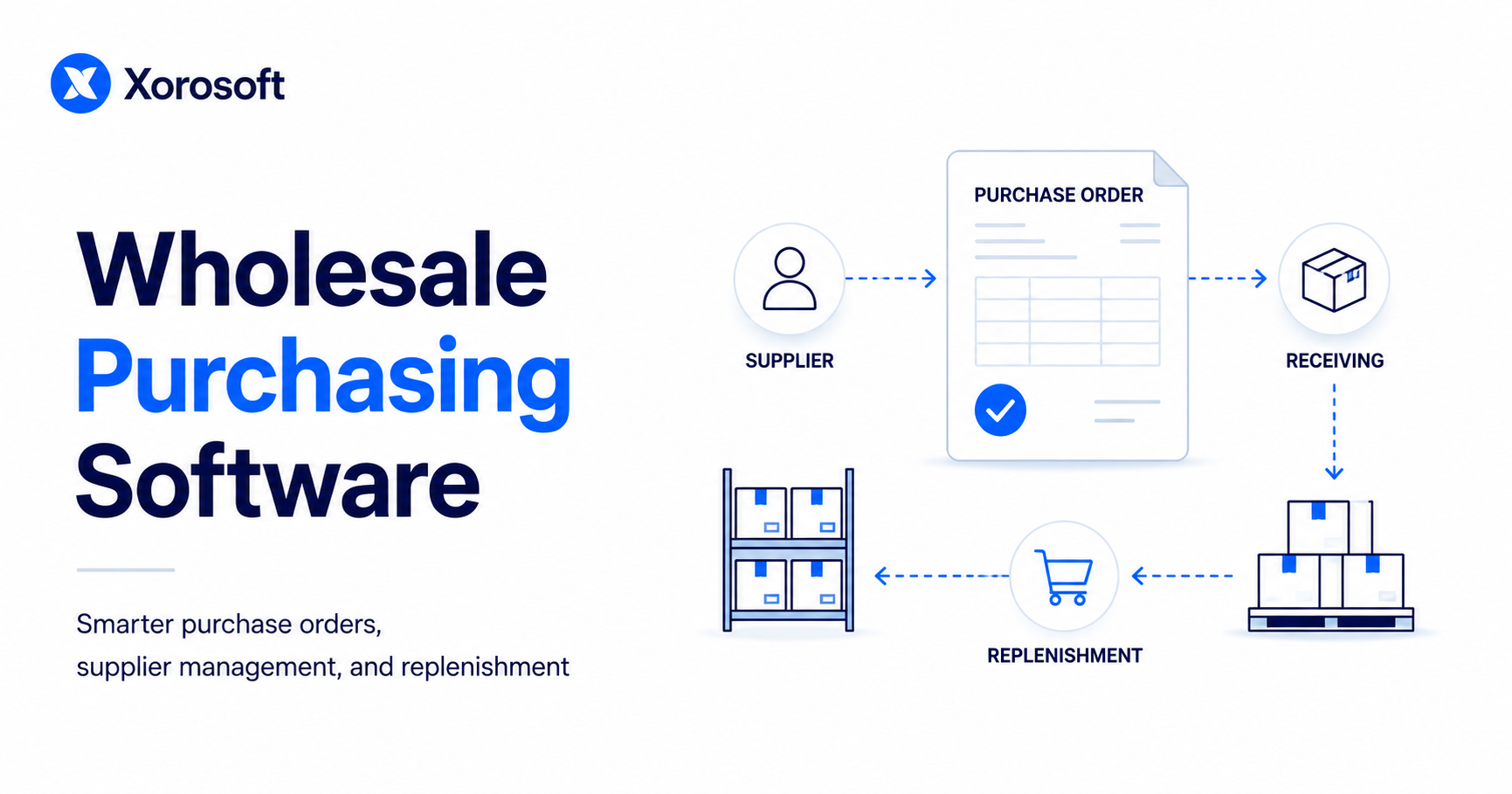
Barcode-driven receiving, putaway, picking, and packing ensure consistent accuracy.
4. Automate Purchasing
With automated min/max rules and accurate forecasting, brands prevent overstocking and understocking.
5. Improve Financial Clarity
Operational and financial data sync automatically, creating real-time COGS, landed cost, and margin visibility.
Learn how Xorosoft integrates with accounting
6. Optimize Multi-Location Fulfillment
Real-time visibility across warehouses, stores, and 3PL partners reduces delays and improves routing.
7. Build a Weekly Rhythm of Optimization
Dashboard-driven reviews help teams identify bottlenecks early and maintain operational stability.
Real-World Results from Adopting a Modern Operations Platform
A growing DTC and wholesale brand managing four warehouses struggled with 18% inventory variance, slow order cycle time, and poor visibility. However, after implementing Xorosoft’s omnichannel operations platform, accuracy climbed to 99.7%, order cycle time dropped to 25 hours, and inventory variance fell below 2%. Because all channels, warehouses, and financial workflows became unified, the brand scaled confidently without adding unnecessary headcount.
A 14-Day Path to Implementing an Omnichannel Operations Platform
-
Days 1–2: Connect Shopify, Amazon, marketplaces, and accounting
-
Days 3–5: Standardize product, attribute, and inventory data
-
Days 6–7: Map the warehouse and configure scanning workflows
-
Days 8–10: Implement automated purchasing and forecasting rules
-
Days 11–12: Align accounting for real-time landed cost and COGS
-
Days 13–14: Activate dashboards, validate KPIs, and go live
This timeline demonstrates that operational transformation doesn’t require months. With Xorosoft, the shift happens far faster.
Xorosoft’s Industry Recognition
Xorosoft is ranked #1 in Ease of Use on G2 for ERP platforms and is consistently recognized as a High Performer in the ERP category. Additionally, Xorosoft is live on the Shopify App Store as a fully integrated omnichannel operations platform with native connectivity to Shopify, Amazon, EDI partners, and 3PLs.