Understanding the Need for a Refund Reduction Strategy
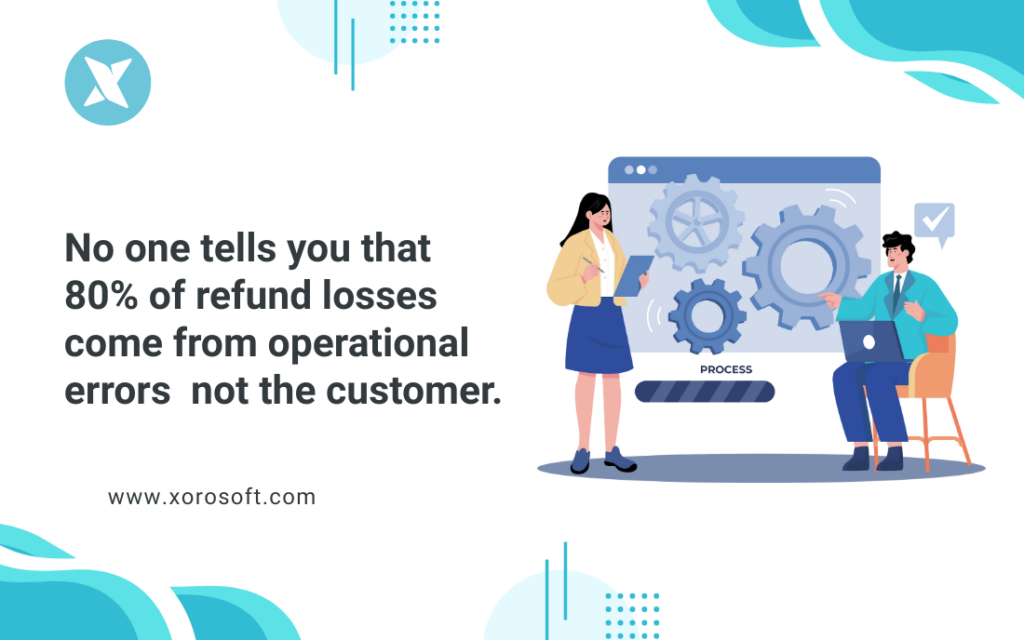
A strong refund reduction strategy is now essential for ecommerce brands because most refund losses come from operational mistakes, not customer behavior. Although it’s easy to blame customers for returns, the data consistently shows that preventable errors inside the warehouse or inventory system cause most refunds. As a result, brands lose money that should have stayed in the margin. When teams rely on disconnected systems, manual tasks, and inconsistent workflows, errors multiply quickly. Therefore, the best way to reduce refunds is to eliminate the operational friction that creates them.
Moreover, refunds drain cash flow, waste labor time, and increase customer dissatisfaction. Because these issues scale as volume grows, operators need a structured strategy that prevents errors before they impact customers. With a clear refund reduction approach, teams can improve accuracy, protect revenue, and strengthen customer trust at the same time.
Why a Refund Reduction Strategy Must Start in Operations
Most refund issues begin long before a customer ever receives a package. Although refunds appear as customer complaints, the real problems usually come from inaccurate inventory, mis-picks, damaged items, oversells, mislabeled variants, or slow fulfillment that forces cancellations. Since each issue originates inside operations, solving refunds requires operational consistency, not better customer policies.
When brands rely on manual workarounds, data becomes outdated. As a result, employees make decisions using information that doesn’t match reality. Because this leads to more mistakes, teams often feel like they are fighting the same refund problems repeatedly. A unified operational foundation ensures that everyone works from a single source of truth.
To understand how centralization strengthens processes, you can explore the way XoroERP connects inventory, WMS, financials, and fulfillment workflows
How Scaling Without Structure Increases Refund Risk
When brands grow, complexity grows even faster. Every additional channel, warehouse, or carrier multiplies the number of processes that must stay aligned. However, many teams still use spreadsheets, apps, and basic tools to manage these workflows. Because each tool updates on its own schedule, information becomes inconsistent, and employees create workaround processes to fill the gaps.
This inconsistency directly increases refund risk. For example, a Shopify order might show available stock even when a 3PL has not yet updated inventory. Or warehouse teams might guess bin locations because the system lacks guidance. As operational load increases, these small mistakes add up to major revenue loss.
This is why many scaling brands choose fully integrated platforms like XoroONE, which centralizes multi-location, multi-channel data in real time
What a Refund Reduction Strategy Looks Like in Practice
To see how powerful the right structure can be, consider an apparel brand shipping more than 1,400 orders per day. The company struggled with rising refund rates, which had reached 9.4%. Although the team assumed customers were simply returning products, the real problems turned out to be mis-picks, oversells, and inaccurate variant mapping.
Once the brand connected Shopify, Amazon, and its warehouses into an integrated ERP and WMS environment, refund causes became visible. Moreover, guided workflows and automated checks helped the warehouse eliminate picking mistakes. Within 90 days, the refund rate dropped to 3.1%, pick accuracy rose to 99.6%, and the company recovered more than $32,000 monthly.
This example highlights how a structured refund reduction strategy improves both accuracy and profitability.
Operational Pillars That Strengthen Your Refund Reduction Strategy
The best refund reduction strategies rely on several connected operational pillars. Because each pillar supports the others, brands that adopt all of them achieve the strongest and most consistent results.
Below are the key elements.
Centralizing Inventory to Support Your Refund Reduction Strategy
The first pillar of a strong refund reduction approach is consolidating all inventory and order data into one system. When data is scattered across Shopify, spreadsheets, shipping apps, and accounting platforms, mismatches become unavoidable. Additionally, fragmented data slows down decision-making and forces employees to rely on unreliable manual updates.
Centralization eliminates these issues. Furthermore, unified systems reduce the number of steps where human error can slip in. By using a central operational hub, brands maintain consistent inventory accuracy across every channel.
Guided Warehouse Workflows That Reduce Refunds at the Source
Warehouse operations directly influence refund rates. When picking and packing rely on memory or handwritten notes, accuracy drops. However, guided workflows standardize every step. Barcode scanning, bin-level instructions, and system-directed routing significantly reduce mis-picks.
In addition, guided workflows help new employees become productive more quickly. Because the system provides real-time instructions, training becomes easier and accuracy improves immediately.
To see how guided picking works in practice, you can explore XoroWMS, which includes barcode validation and location-based routing
Inbound Controls That Strengthen Every Refund Prevention Workflow
Inbound receiving sets the tone for outbound accuracy. When stock arrives mislabeled or miscounted, every outbound order inherits the error. Therefore, a strong refund reduction strategy prioritizes accurate receiving. Automated discrepancy checks, cartonization, and put-away rules help teams validate stock before it enters inventory.
By preventing errors at the source, brands reduce refund-causing issues such as wrong variants, missing sizes, and mislabeled items.
Real-Time Channel Syncing Within Your Refund Reduction Strategy
Oversells remain one of the most expensive and frustrating sources of refunds. When customers purchase items that appear to be in stock—but aren’t—refunds become unavoidable. Although oversells seem like a simple mistake, they often stem from slow channel syncs or manual adjustments.
Real-time synchronization solves this instantly. When all channels update together, stock availability remains accurate. Therefore, brands eliminate one of the most persistent refund triggers.
SKU-Level Insights That Reveal Hidden Refund Drivers
Refund rates often look like a single number, but they are actually a collection of smaller patterns hidden inside the data. Some SKUs may be fragile and arrive damaged more often. Others may have packaging issues, size inconsistencies, or warehouse mis-picks. Without SKU-level visibility, these patterns remain invisible.
However, when refunds are tied to individual SKUs, operators can finally see which products cause the largest financial drag. As a result, teams gain the insights they need to correct root issues and prevent recurring losses.
Fulfillment Automation as a Core Refund Reduction Tactic
Another essential pillar is automated order routing. Priority orders, multi-line shipments, carrier rules, and split logic should not rely on manual decision-making. Because humans must process many variables in real time, mistakes become inevitable.
Automation ensures that every order moves through the correct workflow automatically. This reduces delays, improves customer satisfaction, and lowers refund-related cancellations.
Dashboards and Reporting to Sustain Your Refund Reduction Strategy
Even the best workflows need continuous visibility to remain effective. Automated dashboards help teams track:
-
Pick accuracy
-
Refund rates by SKU
-
Order accuracy
-
Inbound discrepancy rates
-
Financial impact of refund trends
Since teams can view these metrics in real time, they can adjust before issues spread. These dashboards shift refund reduction from reactive cleanup to proactive management.
A Seven-Day Plan to Begin Your Refund Reduction Strategy
Below is a practical week-one rollout designed to create immediate improvements.
- Day 1: Categorize refunds from the last 90 days and identify the top causes.
- Day 2: Observe warehouse workflows and highlight manual steps.
- Day 3: Connect Shopify, Amazon, wholesale channels, and any 3PLs to a central platform.
- Day 4: Activate real-time inventory sync and fix mismatches.
- Day 5: Deploy guided picking and scanning on a small batch of orders.
- Day 6: Add automatic alerts for oversells, mismatch errors, and missing items.
- Day 7: Create a weekly performance scorecard covering accuracy, refunds, and cycle times.
This plan helps brands reduce refunds quickly while building momentum toward long-term success.
Common Questions About Reducing Refund Losses
Do these improvements work with a 3PL?
Yes. Real-time integration ensures inventory accuracy and operational visibility even when using external warehouses.
Do I need to replace my accounting system?
Not always. While integrated systems help, brands can maintain existing accounting platforms if needed.
How fast can teams see results?
Most brands experience noticeable refund reductions within weeks, especially when warehouse tasks become guided and automated.
Industry Recognition Supporting Strong Operational Performance
Xorosoft’s approach to operational accuracy has been validated across the industry. The platform is currently ranked #1 in Ease of Use on G2 for ERP systems and is consistently recognized as a High Performer in the ERP category. This recognition reflects how effectively the system helps fast-scaling brands improve accuracy, reduce operational errors, and strengthen their refund reduction strategy.
Because Xorosoft is also live on the Shopify App Store as a fully integrated ERP solution, ecommerce teams can connect their storefronts, warehouses, and accounting processes without relying on bolt-on tools or disconnected workflows.
Recent Posts
-
 If your system doesn’t give you peace of mind, it’s not your system.
 -
 A modern ERP shouldn’t feel like ERP — it should feel invisible.
 -
 You don’t need more tools — you need one system that does it all.
 -
 Automation isn’t about speed — it’s about removing humans from mistakes.
 -
 Your most expensive employee is manual operations.