Why DTC Logistics Optimization Now Drives Growth
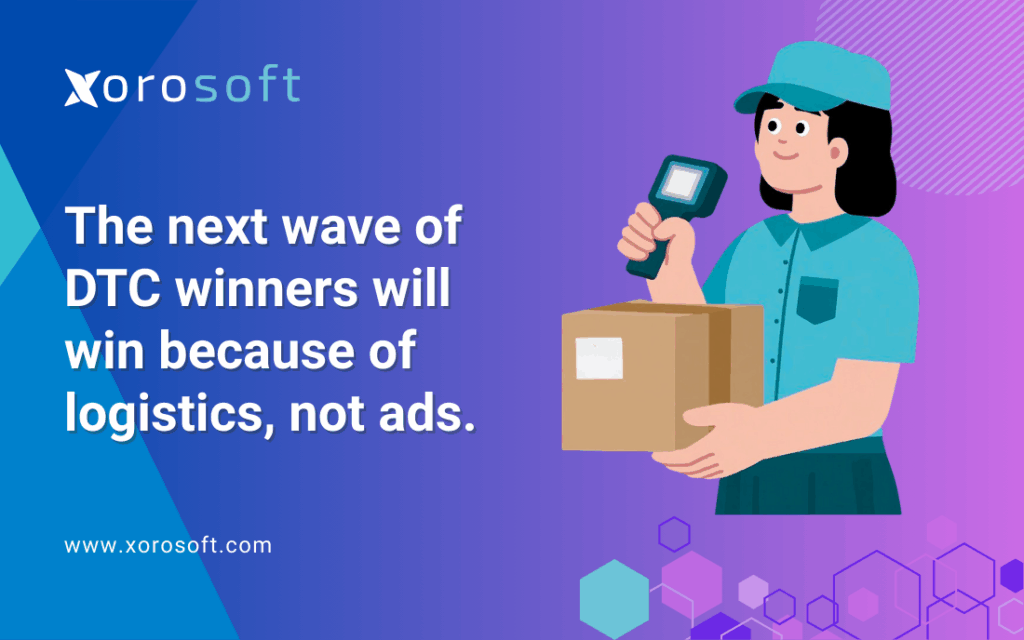
The DTC landscape is changing quickly, and many operators now recognize that DTC logistics optimization is becoming one of the most powerful drivers of long-term success. As advertising performance continues to fluctuate, logistics improvements create durable advantages that compound over time. Therefore, the strongest brands are shifting their attention toward operational excellence rather than depending on paid media alone. Because logistics touches every part of the customer journey, strengthening this foundation unlocks growth that does not rely on fragile acquisition channels.
Although marketing still matters, the ability to fulfill quickly, manage inventory accurately, and maintain real-time visibility increasingly determines who wins in this competitive environment. As a result, logistics has quietly become the new engine behind modern DTC scale.
What Operators Want as They Scale
DTC founders, COOs, and Heads of Ops consistently express the same desire: they want more time to focus on growth instead of spending their days reacting to operational issues. However, disconnected tools and manual workflows ensure that small errors turn into daily disruptions. Consequently, teams end up chasing spreadsheets, reconciling mismatched data, and firefighting instead of steering the brand forward.
When brands invest in DTC logistics optimization, however, they regain their time and clarity. Because data becomes connected and processes become predictable, operators finally have space to make strategic decisions rather than constantly putting out fires.
Operational Frictions That Block DTC Logistics Optimization
Fragmented Systems Create Inaccurate Insights
Many DTC brands rely on separate systems for Shopify, Amazon, warehouse management, accounting, procurement, and 3PL communication. Since these tools rarely sync in real time, operators are left piecing together information manually. This fragmentation often results in oversells, delayed replenishment decisions, and slow financial reporting. Although teams try to reconcile data through spreadsheets, the process introduces even more room for error.
To understand how frustrating this can be, many decision-makers reference third-party benchmarks. For example, G2’s ERP rankings show a clear industry trend: fast-scaling companies increasingly prefer unified systems to eliminate fragmentation.
Many Shopify merchants also streamline their workflows using integrated ERP apps available on the Shopify App Store, which further demonstrates how essential unified operations have become for fast-growing brands.
Manual Steps That Slow Down Growth
As order volume increases, manual tasks become less manageable. Whether teams are exporting CSVs, adjusting inventory counts, or re-entering vendor information, each additional step introduces delays. Because these processes depend on human effort, accuracy drops as volume rises. Eventually, brands hit operational limits that slow down growth, even when demand is strong.
Warehouse Inefficiencies Reduce Speed and Accuracy
Without guided picking, mobile scanning, or strategic slotting, warehouse teams lose time on every order. Errors become more common, and fulfillment delays impact customer experience. Since today’s customers expect fast, reliable delivery, warehouse inefficiency becomes a direct risk to brand loyalty.
Slow Reporting Delays Decisions
When reporting lags behind real-time operations, teams plan with outdated information. This often leads to under-ordering, over-ordering, and missed sales. Because decisions rely on accurate visibility, reporting delays become costly obstacles. Once real-time dashboards replace manual reporting, operators move from reactive decision-making to proactive strategy.
A Real Example of Strong DTC Logistics Optimization
A fast-growing DTC accessories brand shipping around 7,000 orders each month began experiencing operational strain. Although demand was healthy, the company relied on six disconnected systems, leading to persistent oversells, inaccurate stock levels, and frequent 3PL communication breakdowns. As delays accumulated, customer frustration grew.
Before improving their logistics infrastructure, the team experienced a 9% order error rate and routinely needed 48–72 hours to ship standard orders. Meanwhile, the accounting team spent nearly two weeks closing the books due to manual reconciliation. Even though the staff worked hard, the systems made scale nearly impossible.
After implementing a unified solution with real-time inventory, built-in WMS, automated purchasing, and accounting integration—similar to the structure provided by Xorosoft ERP—everything changed. Pick accuracy climbed to 99.3%. Additionally, 90% of orders shipped the same day, and their accounting close fell from fourteen days to three. Because logistics became more predictable, the company increased revenue by 40% without adding headcount.
This transformation reflects the type of advantage brands gain when they prioritize DTC logistics optimization.
How to Build a Modern DTC Logistics Optimization Strategy
Unify Operations Under One Platform
A centralized platform is essential for eliminating disconnects between inventory, fulfillment, purchasing, and accounting. Although it might feel easier to maintain separate apps early on, integration gaps grow wider as volume increases. Therefore, consolidating your operations within a unified ecosystem—such as the tools available on the Xorosoft Features page—creates a stable foundation for scale.
Standardize Warehouse Workflows
Warehouse optimization significantly improves speed and accuracy. When brands introduce mobile scanning, guided pick paths, and slotting strategies, workers complete tasks faster and with fewer mistakes. Consequently, fulfillment becomes more reliable and customer satisfaction rises.
Improve Forecasting With Accurate, Real-Time Data
Forecasting becomes more dependable when inventory, purchasing, and historical sales data live in one system. Automated reorder points ensure timely replenishment, reducing stockouts and overstocking. Because real-time visibility strengthens planning, cash flow improves as inventory turns increase.
Strengthen Fulfillment Workflows for Consistency
Integrated label generation, automated routing, and real-time order syncing keep fulfillment smooth even during peak demand. Additionally, when brands collaborate with 3PL partners, a unified data layer prevents miscommunication. As a result, customers receive their orders faster and with fewer errors.
Accelerate Cash Conversion Through Automation
Automated invoicing, receipts, GL posting, and synced financials shorten the accounting close and improve cash visibility. Since leadership can see financial performance more clearly, they can reinvest with confidence.
Expand Channels Without Operational Chaos
When a brand adds new stores, marketplaces, or geographic regions, disconnected systems often buckle under pressure. With multi-location and multi-currency support—like the integrations available on Xorosoft Integrations—operators scale smoothly. Because inventory updates in real time across channels, oversells decrease and control increases.
Use Dashboards to Guide Daily Decisions
Real-time dashboards offer insights into fulfillment performance, inventory health, and purchasing needs. Since operators can respond quickly to emerging issues, they prevent small problems from escalating. This visibility supports stronger planning and more consistent execution.
A Practical Weeklong Path to Stronger Logistics
Day 1: Identify Operational Breakpoints
Begin by mapping where delays occur most frequently. Because bottlenecks often appear in multiple areas, this step brings hidden issues to the surface.
Day 2: Review All Systems Touching Operations
Document each tool involved in sales channels, fulfillment, warehouse management, and accounting. This audit reveals redundancy and integration gaps.
Day 3: Identify Tasks Ready for Automation
Look for repetitive tasks—such as stock adjustments or shipment updates—that introduce risk. Since automation improves accuracy, focusing on these tasks early creates immediate impact.
Day 4: Explore Unified Operational Platforms
Review ERP and WMS solutions designed for DTC operations. The Xorosoft site provides a clear overview of how centralized workflows streamline operations.
Day 5: Map the Ideal Order Flow
Design a process where orders move from Shopify to fulfillment to accounting seamlessly. Because this blueprint clarifies the required integrations, it accelerates implementation.
Day 6: Roll Out Core Improvements
Implement inventory controls, scanning workflows, automated purchasing, and real-time order syncing. These foundational upgrades deliver rapid gains.
Day 7: Train the Team and Launch
Ensure everyone understands new workflows, dashboards, and best practices. Once the team adopts the new system, operations become smoother and more consistent.
Why Logistics Will Define the Future of DTC
The brands that rise to the top in the coming years will be those that treat logistics as a growth strategy rather than a cost center. Because DTC logistics optimization improves speed, accuracy, customer satisfaction, and financial clarity, it gives companies a competitive advantage that advertising alone cannot match. While creative campaigns may come and go, operational strength compounds—and the brands that master it will define the next era of DTC excellence.
To explore what an optimized DTC operation looks like, you can learn more through:
Recent Posts
-
 If your system doesn’t give you peace of mind, it’s not your system.
 -
 A modern ERP shouldn’t feel like ERP — it should feel invisible.
 -
 You don’t need more tools — you need one system that does it all.
 -
 Automation isn’t about speed — it’s about removing humans from mistakes.
 -
 Your most expensive employee is manual operations.