Why Most Growth Problems Start in Operations Rather Than Sales
Most founders believe revenue issues are holding them back, yet a centralized operations system almost always reveals the opposite. Because operations sit beneath every workflow, they quietly shape your margins, speed, and customer experience. However, when systems are disconnected, teams lose visibility and struggle to keep up. As a result, problems appear to be sales-related, even though they are operational at the core. Ultimately, growth stalls not because demand is weak, but because the operational foundation can’t support it.
When inventory sits across disconnected tools, teams work in silos without real visibility. Furthermore, when accounting lives in one system, fulfillment in another, and purchasing in spreadsheets, small inconsistencies turn into costly errors. As a result, leaders begin to feel like the business is running them. This is why high-growth brands eventually realize that the solution isn’t increasing sales. The solution is adopting a centralized operations system that aligns every workflow and restores clarity.
Why Founders Often Misread Operational Stress
Most founders are taught to chase revenue because it feels like the clearest metric of success. However, revenue growth often hides structural flaws until the business hits a higher volume of orders. As soon as your brand expands into Shopify, Amazon, wholesale, or multiple warehouses, complexity grows exponentially. Consequently, even small inefficiencies expand into significant delays.
Teams relying on tribal knowledge, spreadsheets, and disconnected apps start to feel the weight of operational debt. This leads to slow purchasing decisions, warehouse bottlenecks, inaccurate forecasting, and chaotic reporting. Meanwhile, leadership mistakes these symptoms for a sales slowdown.
A centralized operations system eliminates these blind spots by synchronizing inventory, purchasing, accounting, warehouse management, and fulfillment into one platform. Because it unifies data, it helps founders finally diagnose the root causes behind operational drag instead of treating surface-level symptoms.
Why Fragmented Tools Create Operational Costs
Most brands start with lightweight tools and simple workflows. In the beginning, spreadsheets feel flexible and quick. Yet as order volume increases, these tools become fragile and unreliable. For example, one outdated spreadsheet can skew purchasing decisions for weeks. In addition, switching among fulfillment tools, accounting platforms, and inventory trackers introduces delays and risks.
This fragmentation becomes especially painful when brands expand into new channels or locations. Because systems are not connected, teams manually reconcile numbers and troubleshoot discrepancies. Purchasing decisions become reactive, and warehouses operate without real-time guidance. As a result, growth becomes unpredictable and harder to support.
A centralized operations system eliminates these inefficiencies by bringing all operational data into one real-time hub. This reduces errors, accelerates decision-making, and ultimately stabilizes the business.
How a Centralized Operations System Gives Founders True Visibility
Founders often feel disconnected from day-to-day operations once the business scales. However, the lack of visibility is caused by fragmented data, not by complexity itself. When operational metrics live in different systems, leaders end up reacting to problems rather than preventing them. With a centralized operations system, visibility becomes immediate. Trends reveal themselves faster, issues surface sooner, and decisions become grounded in accurate information.
Because founders can finally trust their data, they are able to focus on growth, product innovation, or expansion strategies—not operational firefighting.
A Real Example of Business Transformation Using a Centralized System
A fast-scaling home goods brand selling on Shopify, Amazon, and wholesale was facing severe operational strain. They were managing three warehouses, multiple suppliers, and unpredictable demand patterns.
Before adopting a centralized operations system:
-
Inventory accuracy was 78%
-
Order cycle time averaged 3.2 days
-
Accounting close took 18 days
-
Pick accuracy hovered at 89%
-
Stockouts and over-purchasing occurred constantly
These challenges created daily pressure across the entire organization.
After implementing the centralized operations system:
-
Inventory accuracy reached 99%
-
Order cycle time dropped to under 24 hours
-
Accounting close improved to 5 days
-
Pick accuracy rose to 99.5%
-
Purchasing automated based on real-time data
As a result, the team doubled operational efficiency without adding headcount.
Why Operational Chaos Happens Without a Centralized Operations System
Operational struggles rarely stem from one major failure. Instead, they build over time from unresolved inefficiencies that compound silently.
Tribal Knowledge Controls Processes
When knowledge lives in people’s heads instead of systems, workflows become inconsistent. However, once standardized inside a centralized operations system, every employee follows the same reliable process.
Data Conflicts Across Departments
Accounting sees one number, inventory another, and warehouse teams something completely different. Because of this, teams waste time checking, debating, and correcting data instead of moving forward.
Purchasing Decisions Based on Guesswork
Without accurate lead times and real-time stock visibility, purchasing becomes reactive. This inevitably leads to stockouts, overstocks, and poor cash flow timing.
Warehouse Workflows Operate Without Real-Time Guidance
When pickers rely on static lists or outdated info, mistakes multiply. A centralized operations system creates reliable, guided workflows that reduce errors and improve speed.
How a Centralized Operations System Improves Inventory Accuracy
Inventory accuracy is the foundation of operational stability. If inventory is inaccurate, purchasing collapses, fulfillment slows, financials drift, and customer trust erodes. Because a centralized operations system synchronizes every channel and warehouse, inventory becomes accurate instantly.
Furthermore, real-time visibility eliminates the need for manual reconciliation and improves forecasting. Brands also gain insights into sales velocity and true demand patterns.
To support brands needing deeper visibility, XoroERP delivers robust inventory, purchasing, accounting, and fulfillment management in one place.
How Warehouse Operations Improve With Unified Workflows
Warehouses struggle when software tools fail to reflect real-time activity. When pickers receive outdated or incomplete lists, orders slow down and errors rise. However, when warehouse workflows run through a centralized operations system with native WMS features, everything becomes smoother.
Pickers receive accurate, directed instructions. Receiving follows a structured path. Managers can track productivity and see performance metrics clearly. Because the system eliminates guesswork, warehouse teams move faster and with fewer mistakes.
For structured warehouse processes, XoroWMS provides guided picking, receiving, and real-time tracking.
For brands comparing WMS usability, Xorosoft ranks highly on G2 for ease of use.
How Purchasing Becomes More Predictable
Purchasing is often driven by urgency instead of data. Without reliable lead times, sales velocity insights, and accurate forecasting, buying decisions become risky. A centralized operations system automates purchasing using real-time demand signals and vendor timelines.
This proactive approach improves cash flow and reduces both stockouts and excess inventory. Over time, this strengthens vendor relationships.
To simplify purchasing workflows, brands often centralize daily operations through XoroONE, which connects inventory, financials, and purchasing decisions.
How Order Fulfillment Accelerates
Fulfillment is one of the first areas to struggle when order volume grows. Teams juggling disconnected systems manually copy data, update statuses, or troubleshoot shipping errors. These delays increase cycle times and reduce customer satisfaction.
A centralized operations system automates each stage of fulfillment. Orders enter a unified queue, routing rules determine the best warehouse, shipping labels generate automatically, and the system verifies inventory before picking.
Because many DTC brands operate on Shopify, it’s helpful that this system integrates natively:
Xorosoft ERP on Shopify
How Financial Accuracy Improves
Accounting often receives data last, which means it feels every upstream inefficiency. When teams operate across multiple tools, accounting must manually reconcile data from each system. Because this takes time, financial reporting slows down too.
Once the company adopts a centralized operations system, accounting receives clean data instantly. The finance team can close books faster, forecast more accurately, and reduce audit risk. This gives leadership the confidence needed to plan long-term.
Seven Practical Steps to Strengthen Your Operations Structure
1. Create a Single Source of Inventory Truth Using a Centralized Operations System
Goal: Improve reliability and eliminate stock discrepancies.
Action: Sync all channels and locations inside one system.
Metric: Inventory accuracy.
2. Automate Purchasing Decisions
Goal: Order accurately and on time.
Action: Use real-time reorder logic and vendor lead times.
Metric: Reduced stockouts and faster cash cycles.
3. Improve Warehouse Productivity With Built-In WMS Tools
Goal: Increase accuracy and efficiency.
Action: Introduce directed picking and barcode scanning.
Metric: Pick accuracy.
4. Accelerate Fulfillment Using Automated Routing
Goal: Speed up order processing.
Action: Set up rules for routing, batching, and labeling.
Metric: Order cycle time.
5. Strengthen Financial Accuracy
Goal: Reduce manual reconciliation.
Action: Unite inventory, purchasing, valuation, and accounting.
Metric: Accounting close time.
6. Automate Reporting for Leadership Insights
Goal: Improve decision-making.
Action: Deploy dashboards with real-time KPIs.
Metric: Decision velocity.
7. Consolidate Disconnected Tools Into One System
Goal: Reduce complexity and operational costs.
Action: Replace scattered systems with one centralized platform.
Metric: Cost per order.
A Practical One-Week Alignment Plan
Day 1 – Connect Sales Channels
Sync Shopify, Amazon, and wholesale channels to unify inventory.
Day 2 – Configure Warehouse Layouts
Set up bins, zones, and barcode scanning to improve accuracy.
Day 3 – Import Vendor and Item Data
Load SKUs, lead times, and reorder points.
Day 4 – Integrate Accounting
Connect AP, AR, valuation, and tax settings.
Day 5 – Build Fulfillment Automations
Establish routing rules, priorities, and batch workflows.
Day 6 – Configure Operational Dashboards
Enable real-time KPIs for sales, inventory, and warehouse performance.
Day 7 – Train the Team and Go Live
Run test orders and activate the centralized operations system.
Why Centralizing Operations Changes the Founder’s Role
Founders usually get pulled into operations only when something breaks. With disconnected systems, something breaks every day. However, once operations run through a centralized platform, errors drop dramatically and the flow becomes predictable. Teams know exactly what to do, and leaders finally reclaim their time.
Furthermore, real-time visibility empowers founders to make confident decisions about cash flow, hiring, product launches, and expansion.
Why a Centralized Operations System Enables Long-Term Growth
Brands grow sustainably when their operational foundation is strong. Because a centralized operations system unifies inventory, purchasing, accounting, warehouse workflows, and reporting, the entire business finally moves in sync. This creates the flexibility to launch new channels, expand into new markets, and support higher order volume without adding chaos.
If your brand is reaching the limits of its current systems, now is the perfect time to explore what a modern operational backbone can unlock.
To experience how a centralized operations system transforms daily workflows, you can book a demo here.
Recent Posts
-
 If your system doesn’t give you peace of mind, it’s not your system.
 -
 A modern ERP shouldn’t feel like ERP — it should feel invisible.
 -
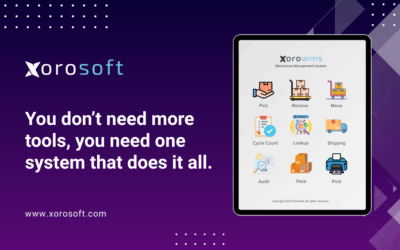
 You don’t need more tools — you need one system that does it all.
 -
 Automation isn’t about speed — it’s about removing humans from mistakes.
 -
 Your most expensive employee is manual operations.